




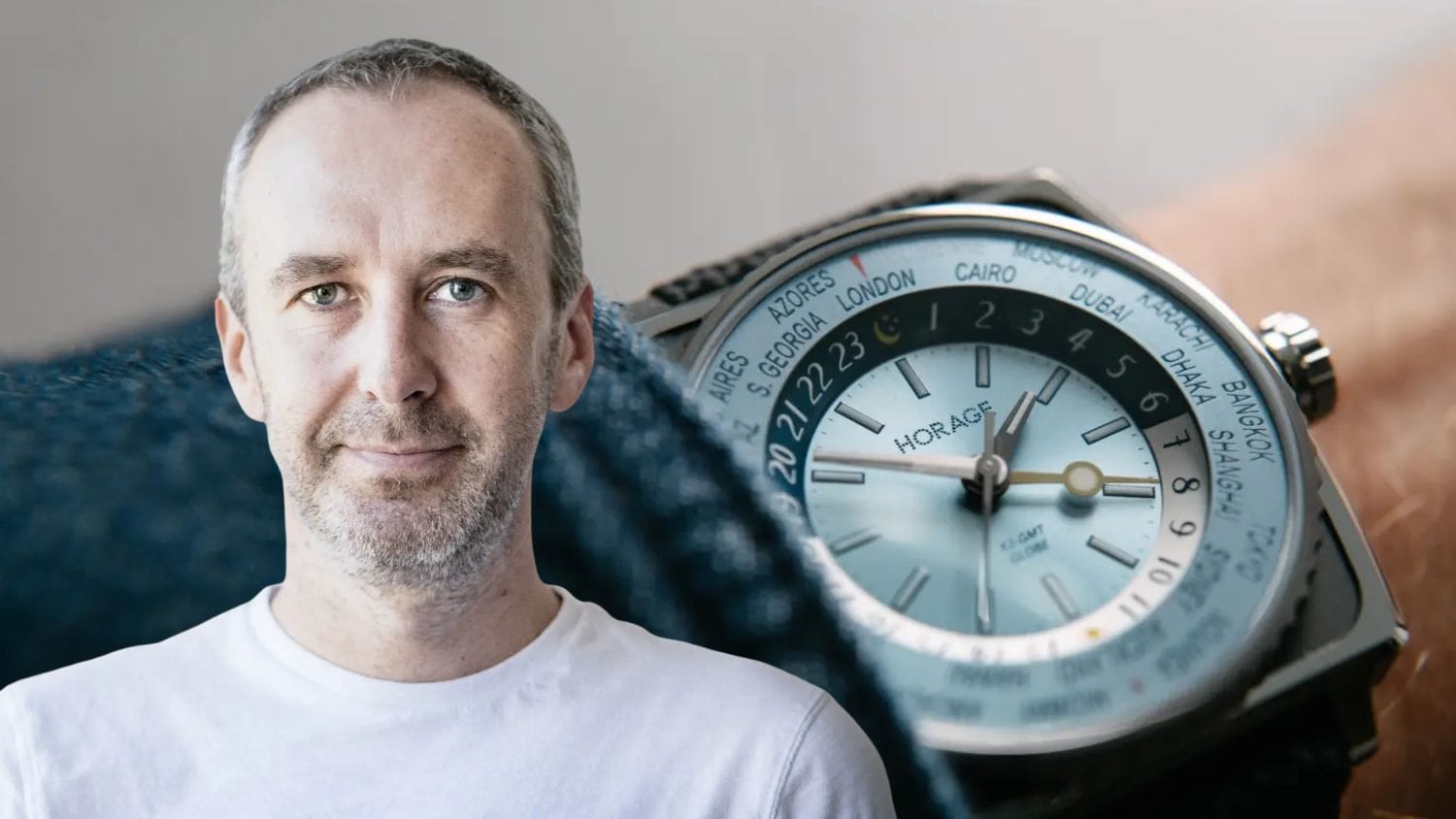
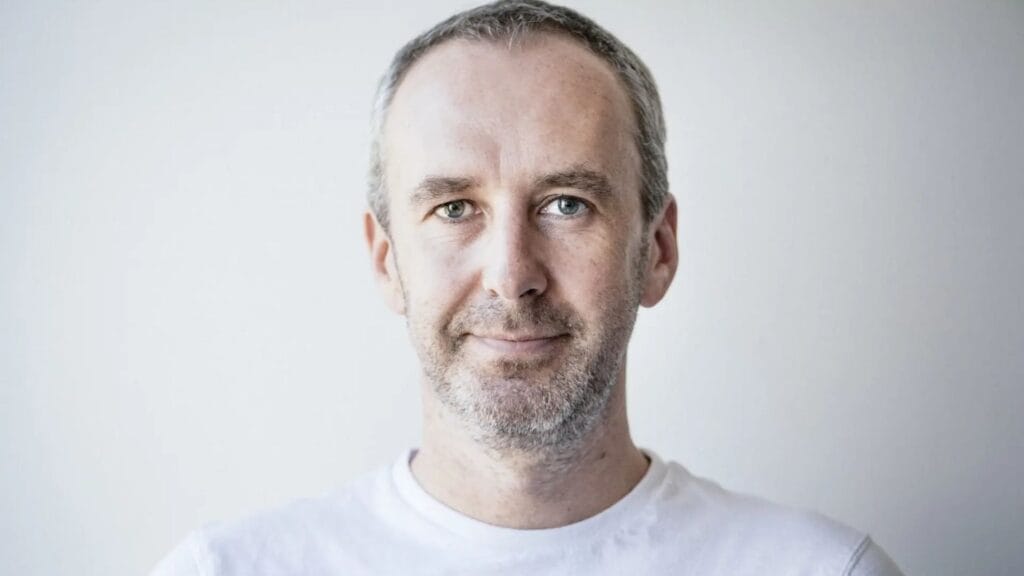
It was at a Japanese-style barbecue party on a rooftop that former snowboarder Andreas Felsl and his wife, Tzuyu, first conceived the idea of starting their own watch brand. The first completed Horage model was introduced in 2009. Cut to today, Horage continues to operate more like a technology startup than a conventional watch company.
We spoke to Andreas Felsl about the brand’s journey, its approach to watchmaking and the significance of precision.
How big is Horage?
At Horage, we are a dedicated team of 30 individuals worldwide, with 20 of us based at our facility in Biel. We produce approximately 850 watches annually, with prices ranging from CHF 3,000 to CHF 25,000.
Where do your clients come from?
Our clients primarily come from English-speaking markets, especially California, owing to our highly technical approach to watchmaking.
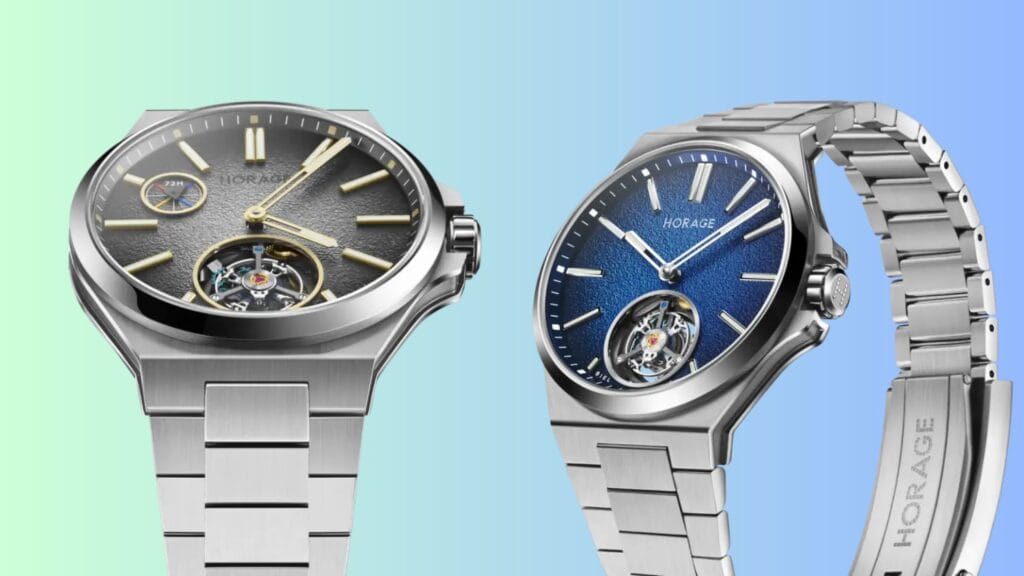
Over the years, we have had several bestsellers, including the Autark, Supersede and Tourbillon 1. Our diverse product lineup caters to a wide range of tastes.
Also Read | This is your chance to design your watch with Delhi Watch Company
What does Horage mean?
The name Horage is a combination of the Latin word ‘HORA’, meaning hour, and the English word ‘Age’, signifying century. Interestingly, when pronounced, it has a French sound. The name encapsulates our multicultural identity, which is deeply rooted in watchmaking tradition while being driven by the technological advancements of the present.
How many in-house calibres have you developed to date?
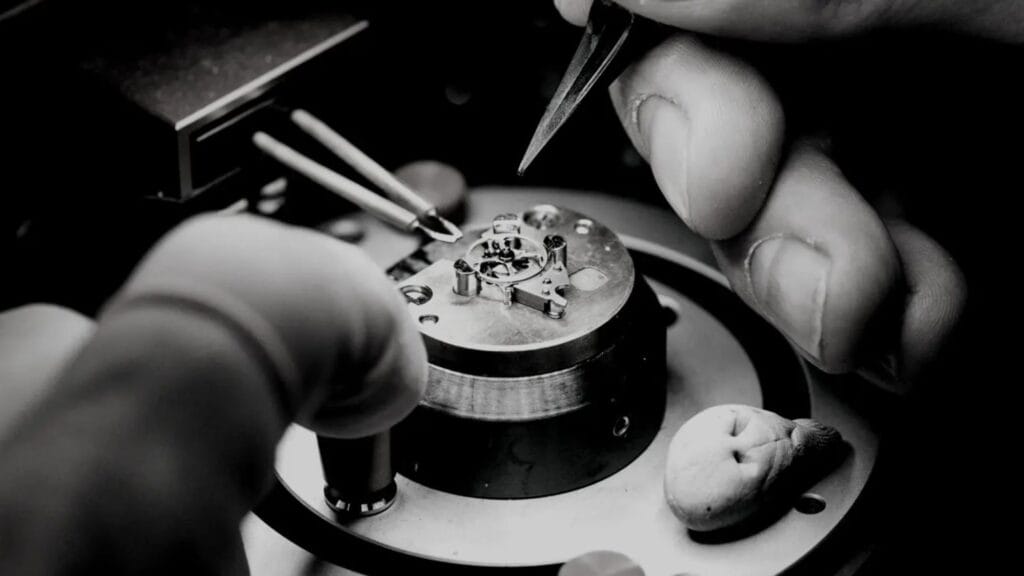
As of today, we have developed four in-house calibres. These are crafted using our industrially developed toolkit of core components, known as System-K.
Did being an outsider to the watch industry help when you decided to launch your own brand, or did it complicate things?
It’s a double-edged sword. As an outsider, you can bring fresh, innovative ideas that industry insiders might overlook. Our unique approach to developing movements and building the business stems from this perspective. However, it also takes considerable time to understand which aspects of the industry can be innovated. Ultimately, success in this industry comes from continuously learning and adapting. In the luxury market, long-term consistency is key to earning customer trust and loyalty.
You’ve recently said that without silicon, you would have given up. Why?
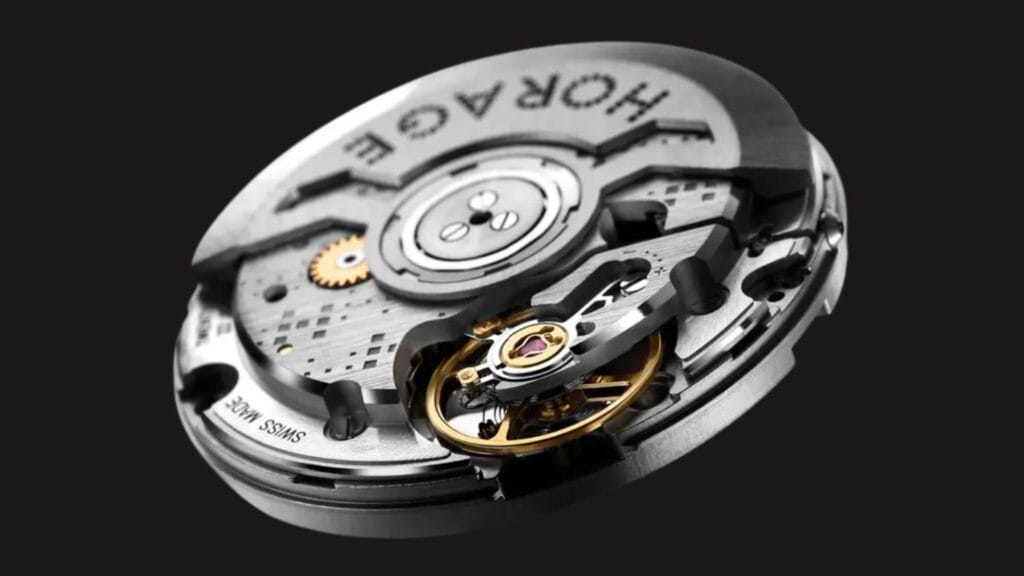
Yes, that’s correct. The performance and competitiveness of a Swiss mechanical movement are closely tied to its components. Silicon is the optimal material for both the hairspring and the escapement. Its resistance to magnetism is crucial for the regulating system, while its low weight, combined with advanced manufacturing techniques, enables exceptional efficiency in the escapement. This translates into a significantly longer power reserve and greater chronometric precision.
What would you tell your younger self if you could travel back to 2005?
I’d tell myself to always prioritise technical tolerances. Understand the challenges involved in manufacturing and tackle the most difficult aspects first.
Also Read | 6 independent watchmakers leading modern watchmaking
When was the moment you realised Horage was going to work?
The first defining moment came in 2014, when our K1 movement began ticking with precision. The second was during the Covid pandemic, when Watchfinder unexpectedly reviewed our Tourbillon, generating more than 600,000 views. Building a brand takes at least 10 years to gain traction, and we’re slowly getting there now.
Do you remember your first sale?
Startups always sell to friends first [laughs]. But our real first sales adventure was on Kickstarter with our Jonas K1 project. It was a thrilling experience because we were venturing into uncharted territory and learning as we went!
Images: Courtesy brand
This story was first published in WatchTime 2024 December issue