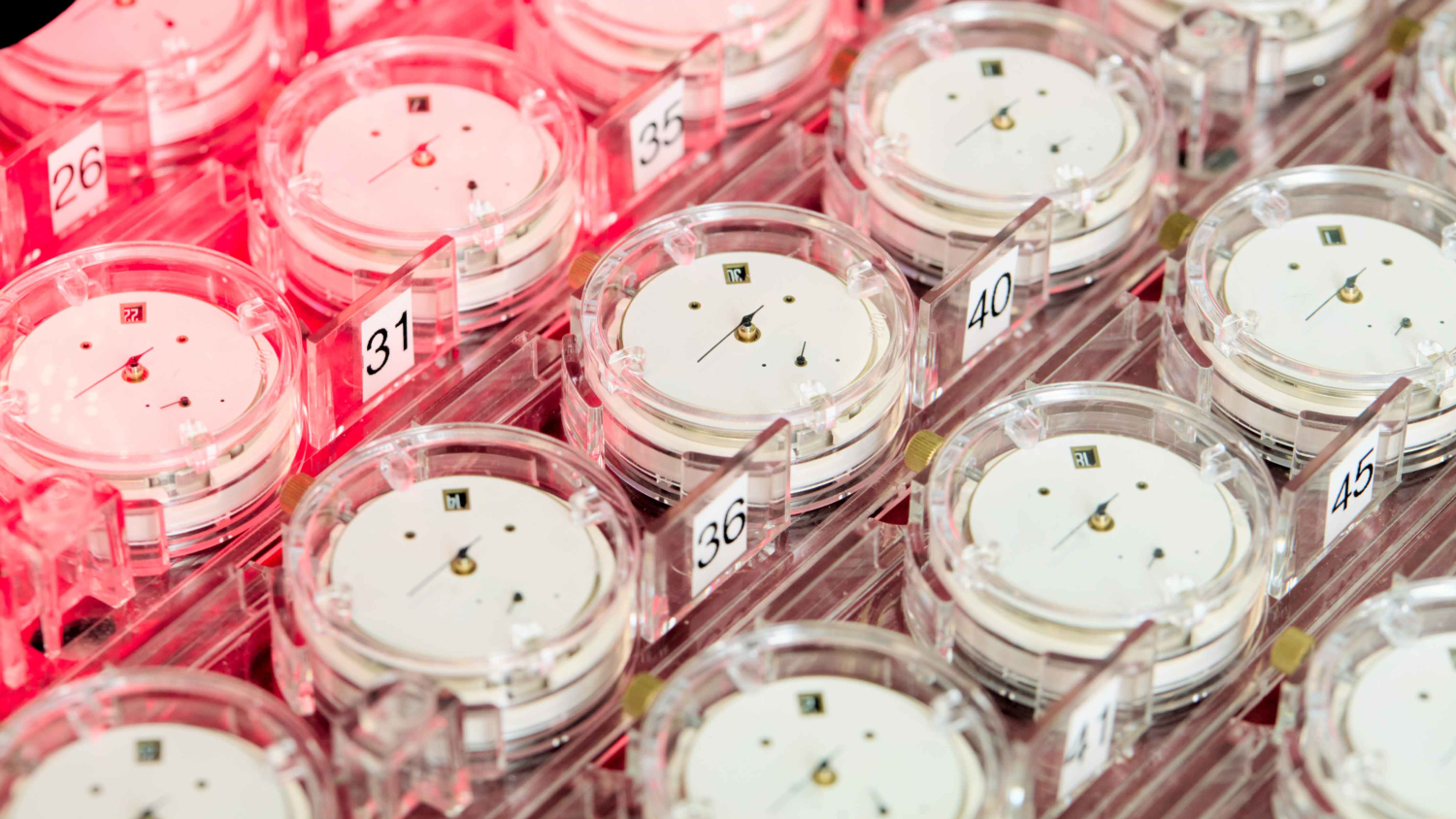
Mechanical watches today face different conditions than they did in the 1970s. They are exposed to magnetic fields from everyday electronics. Power reserves are longer. Materials have evolved. And watches are worn more actively. Since 1973, the Contrôle Officiel Suisse des Chronomètres (COSC) has been the independent authority behind Switzerland’s chronometer standard. Through the ISO 3159 norm, it has tested and certified millions of mechanical movements, helping define what “chronometer” means in Swiss watchmaking.

Now, on the 50th anniversary of the ISO 3159 standard, COSC is introducing a new, higher level of certification. The goal is not to replace the existing chronometer title, but to expand it. The current COSC certification focuses on uncased movements tested under controlled conditions over 15 days across seven criteria — that remains unchanged. But the new certification recognises that performance on the wrist matters just as much. COSC is introducing a new designation: Excellence Chronometer.
This higher level adds three key requirements: A tighter daily rate tolerance of –2/+4 seconds per day (instead of the broader 10-second range used in ISO 3159 calculations); Magnetic resistance up to 200 Gauss; Verification of the declared power reserve. This creates a clearer performance hierarchy: Swiss Made → Certified Chronometer → Excellence Chronometer.
How will the new certification work?
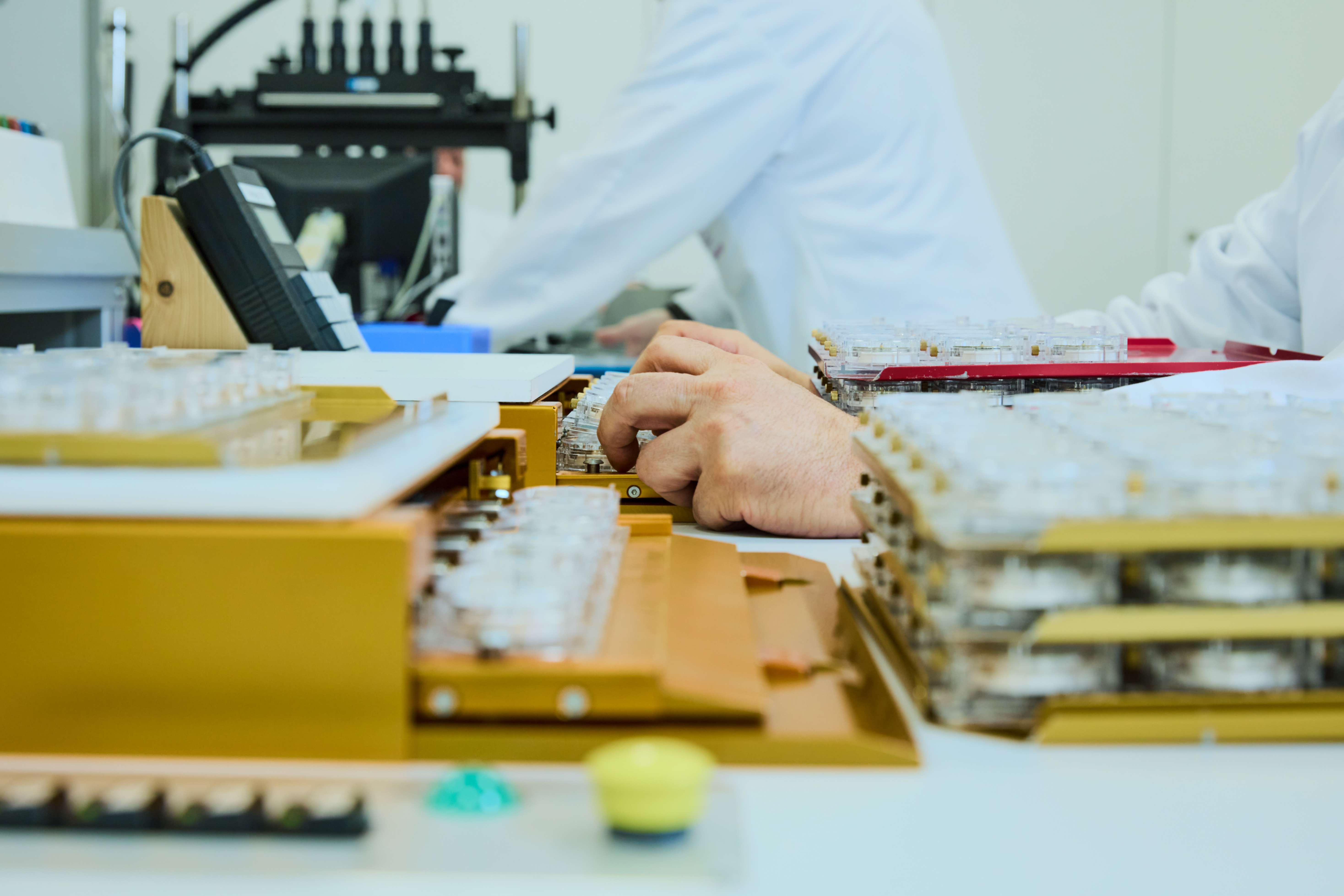
The process begins as before. Movements are tested for 15 days in COSC laboratories according to ISO 3159. Each movement is tested individually. After certification, the movements are returned to the brand for casing. The complete watch then undergoes five additional days of testing: Semi-dynamic wrist simulation where a robot simulates average wrist motion for 24 hours to measure real-world rate performance; tightened precision check where the average daily rate must fall between –2 and +4 seconds per day; Magnetic resistance test for which the watch is exposed to a 200 Gauss magnetic field and must maintain performance; power reserve verification tests the actual running time is measured and compared with the manufacturer’s claim. Every watch is tested individually.
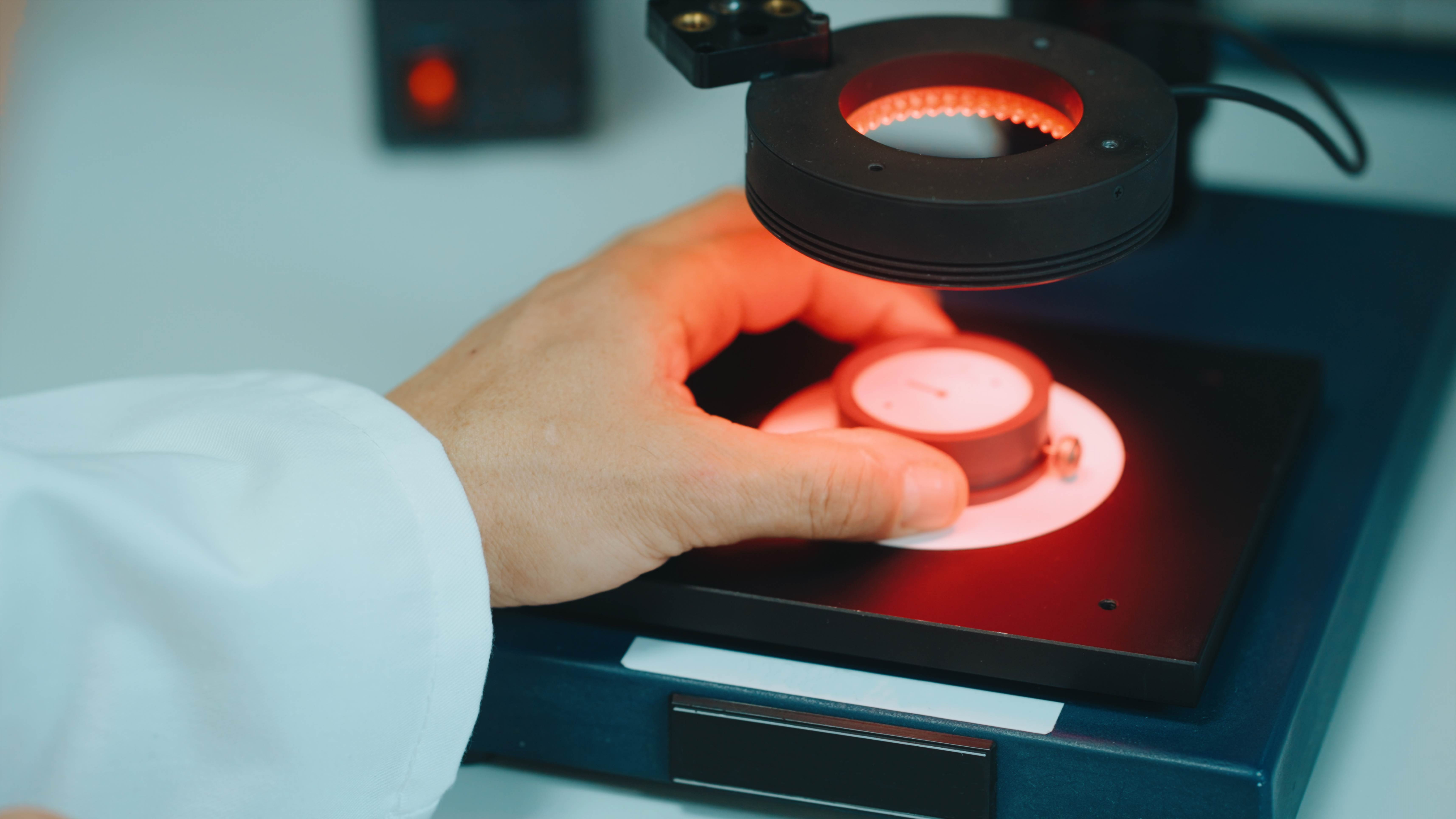
COSC has already begun integrating new equipment and procedures in early 2026. Pilot tests will take place in March to validate the process with partner brands. In April, the new certification will be presented at Watches and Wonders as part of the LAB innovation space. From October 2026, brands can formally enter the new process. The first watches bearing the “Excellence Chronometer” title are expected soon after.
Images: Courtesy of COSC
Also Read :
The new Bulgari Octo Finissimo Ultra COSC is now the thinnest watch in the world
|
The COSC
More In news




Sign up for our newsletters to have the latest stories delivered to your inbox