Swiss luxury watch brand Patek Philippe’s tagline "You never actually own a Patek Philippe. You merely look after it for the next generation", might be most associated with them, but it could stand true for all well-made mechanical watches. Timepieces can truly bring joy to your future generations, but only when you keep them ticking. Those who wish to preserve their wristwatch for the long term and pass it on as an emotional heirloom can ensure its lasting value for generations through careful handling, expert care, and a personal touch.
Below are the 7 points you must keep in mind to make a watch a true heirloom – technically, materially, and emotionally.
1. Regular service intervals – keeping the heart beating
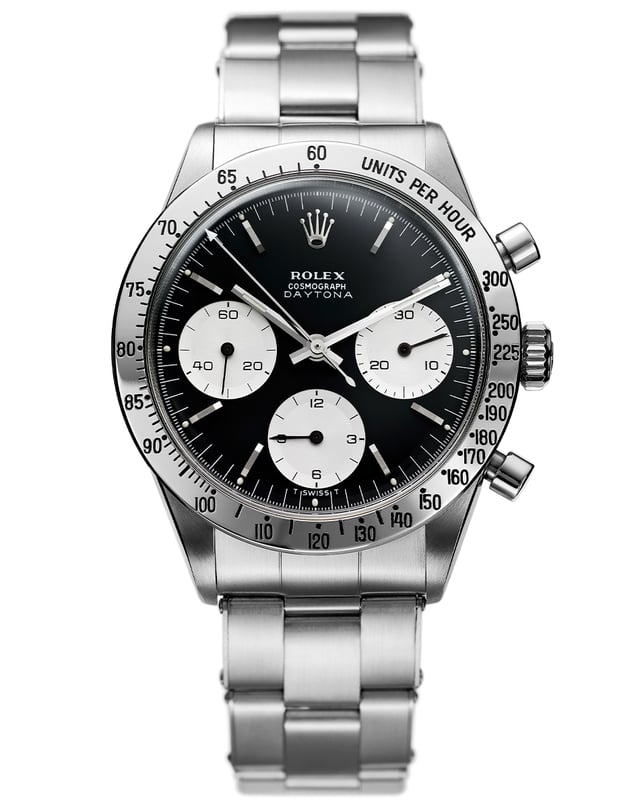
Mechanical watches are small marvels of engineering. But like any precision instrument, they require proper care. Experts recommend having a high-quality mechanical watch serviced every five to ten years by a certified watchmaker or directly by the manufacturer. This service includes checking the calibre, seals, oils, and timekeeping accuracy, replacing worn parts, and re-regulating the movement.
Tip: Carefully preserve all service receipts. These not only document the watch's maintenance but also increase its sentimental and financial value. For vintage models, it's advisable to discuss the planned work with the watchmaker or authorized dealer before any servicing. It's not uncommon for beautifully aged dials to have been replaced with new ones – a change that can significantly diminish both the character and value of a watch.
2. Careful everyday care – small routines with a big impact
Even small habits can protect against noticeable damage. While dirt is almost unavoidable with regular wear, a soft microfiber cloth quickly removes grime and prevents long-term build-up.
Even though the water resistance of some watches can be compared to that of a submarine, it should be checked annually – ideally before a beach holiday. Over the years, seals become brittle and allow moisture to penetrate.
For watches with leather straps, it is recommended to avoid sporting activities or contact with water. Not only is the delicate construction of dress watches more susceptible to damage, but the lifespan of the leather strap is also significantly reduced.
While modern luxury watches have stable synthetic lubricants, older models benefit from regular winding to prevent delicate components from sticking together.
3. Proper storage – rest periods for eternity
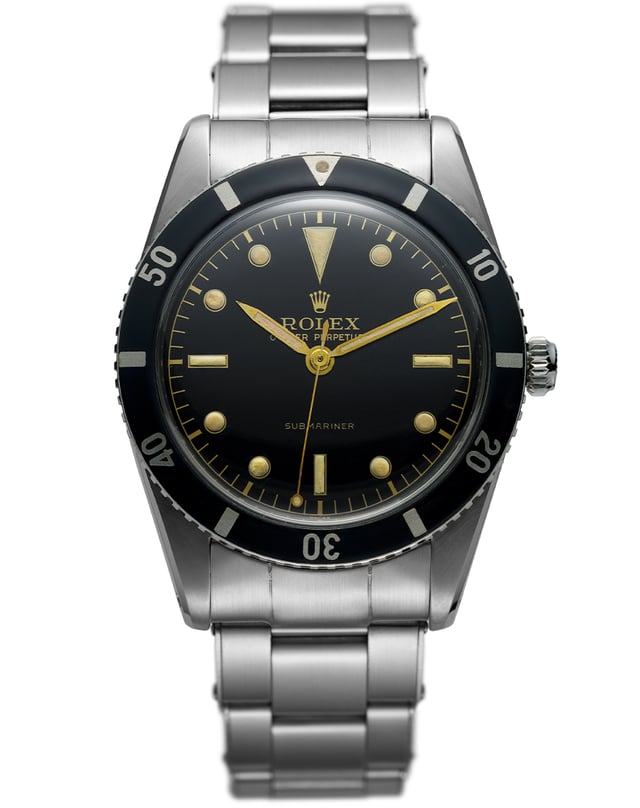
Even when not in use, a watch continues to age. Proper storage is therefore crucial. The place where timepieces are kept should be dry and at a constant temperature. To prevent scratches, impacts, and contamination, it is advisable to use watch boxes or cases with a soft, flexible lining. Ideally, sufficient distance should be maintained from strong magnetic fields, such as those generated by large loudspeakers.
Additional security against theft and burglary is provided by safes, bank safe deposit boxes and appropriate insurance policies.
Tip: A safe with controlled humidity and fire protection also protects against rust, fire and theft – an important aspect for long-term value retention.
4. Less is more: the danger of over-polishing
Many collectors shy away from excessively polished watch cases. Every polishing process removes material, alters the original shape, can soften sharp edges, and ultimately changes the character of the timepiece. Those who want their watch to become an heirloom should only have the case polished when necessary and with the utmost care. Originality is crucial for long-term collector value and emotional appeal.
A historical example: Paul Newman's Rolex Daytona fetched over $17 million at Phillips in 2017. A key reason: The case was unpolished and in its original condition – every sign of wear was part of its history.
5. Emotional bonding: Wearing habits create meaning
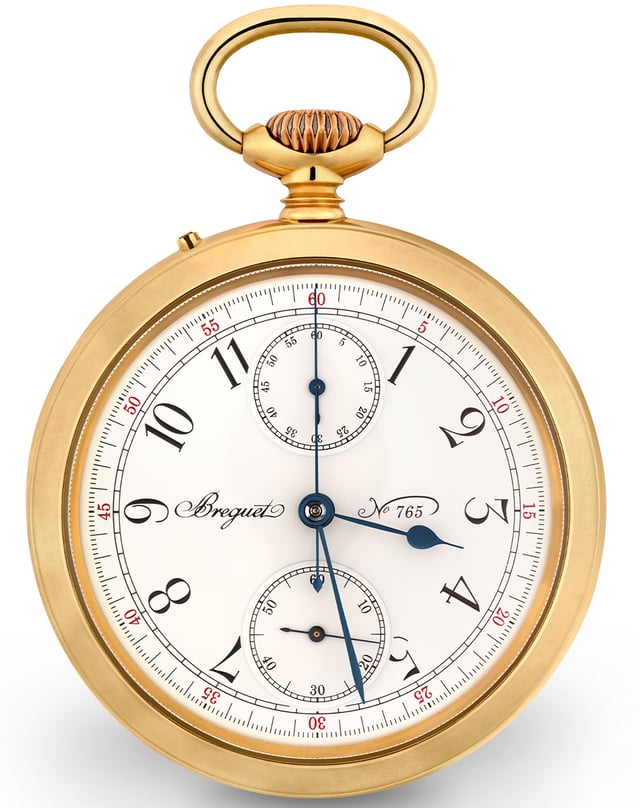
A true heirloom lives not only from its technology, but also from its emotion. Watches worn regularly during special moments acquire a unique patina and meaning. Wear your watch to birthdays, weddings, anniversaries, on trips, and at celebrations. Every mark will later tell your story – making the timepiece a living legacy for future generations.
6. Personal engravings and documentation – preserving individuality
An engraving transforms a watch into a unique piece. Initials, a date, or a dedication lend the timepiece a personal touch. Additionally, it's a good idea to document the watch's history in writing – for example, with purchase receipts, photos, and anecdotes about special occasions.
Tip: Keep a small "watch diary" for future generations. It breathes life into the heirloom and creates an emotional connection that goes far beyond its material value.
7. Think about succession in a good time.
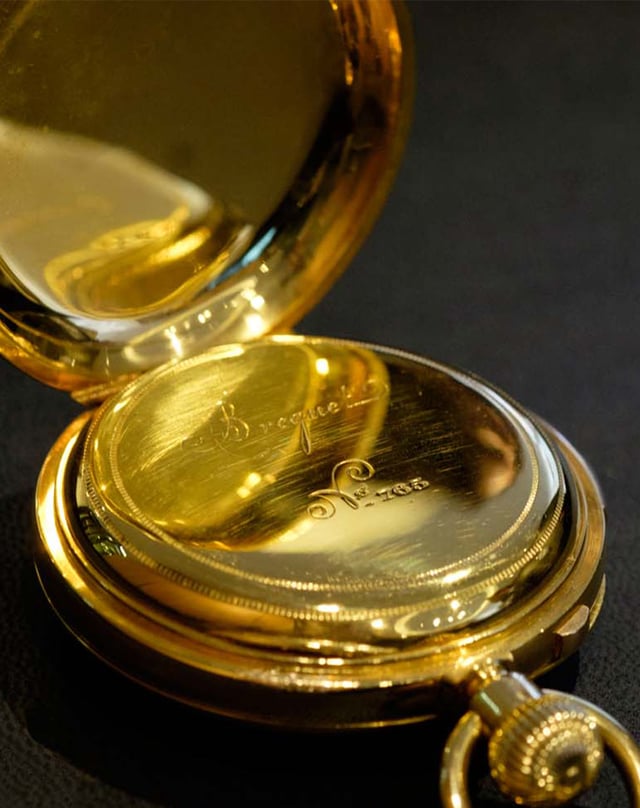
For a watch to truly become an heirloom, its legal transfer should also be regulated. Deciding early on who should inherit the timepiece avoids conflicts. A will or bequest provides clarity in this regard. It can also be particularly meaningful to pass on one of your own watches while you are still alive – this allows you to share your passion directly.
If these guidelines are taken into account, the beloved timepiece becomes a link between past, present and future.
This article first published in WatchTime.net
Images: Courtesy watchtime.net
Also Read :
Citizen’s first-ever collaboration with seconde/seconde/ is here
|
MeisterSinger celebrates 25th anniversary with Panthero Jumping Hour
|
All or nothing: A look inside Delhi-based collector Sandeep Nair’s watch box
|
H. Moser & Cie. is debuting a ceramic model in its Streamliner collection
More In features




Sign up for our newsletters to have the latest stories delivered to your inbox