While Rolex watches like Submariner, Datejust, and Daytona seem timeless, there are a few watches from the brand’s catalogs that have quietly disappeared over decades. Watches which were experimented with unusual case shapes, others with new materials or a design direction that didn't fit into the brand's long-term image.
These very models, however, reveal much about the evolution of Rolex. They mark moments of experimentation, reflect design trends of their time, or demonstrate how even a tradition-bound manufacturer occasionally ventures down new paths—and later abandons them. This article is dedicated to precisely these watches, which are no longer in production. Forgotten lines, underrated references, and unusual designs that, while no longer part of the current portfolio, occupy a unique, often surprising, place in the brand's history.
1. Rolex Oysterquartz
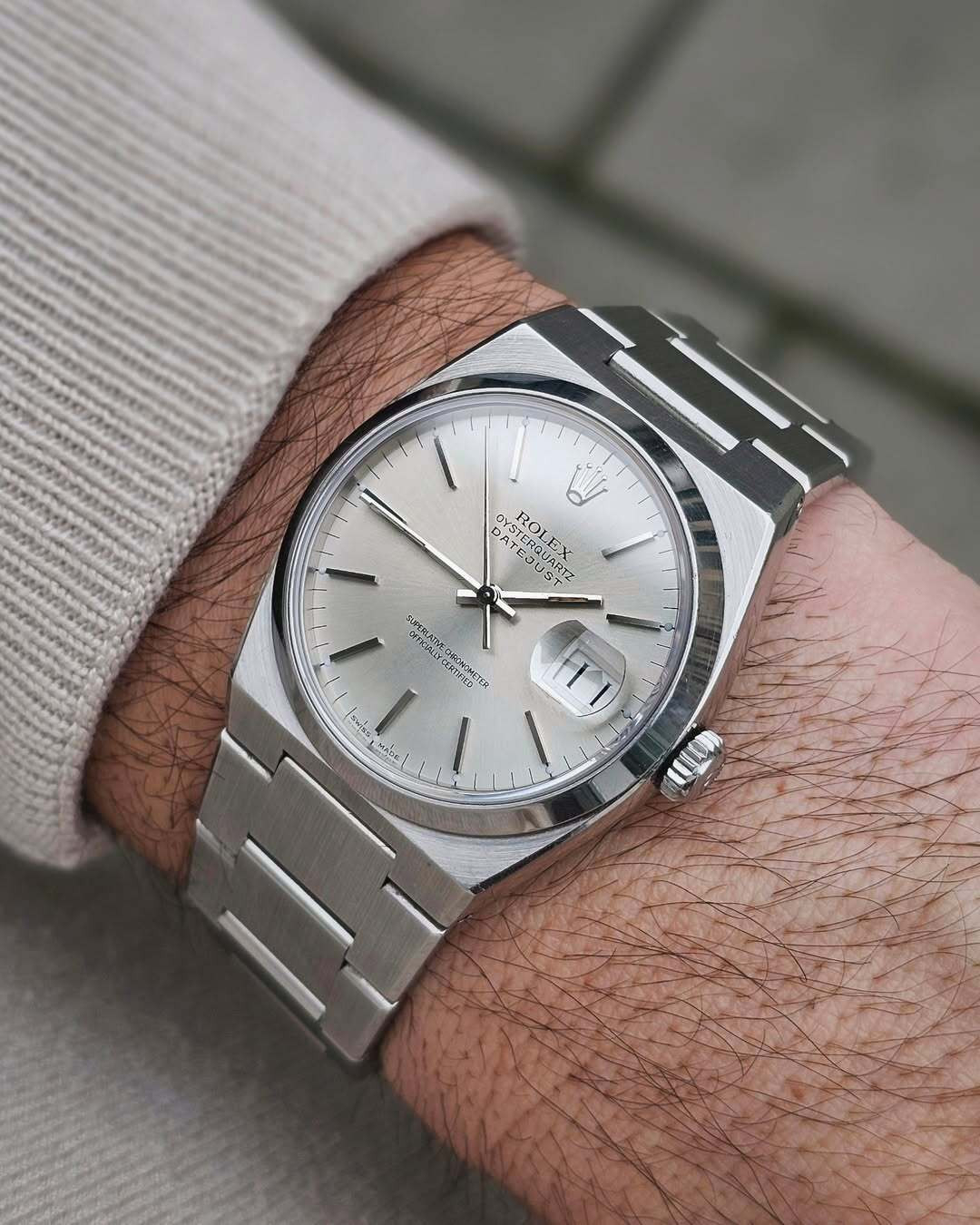
The Rolex Oysterquartz emerged as a direct response to the so-called quartz crisis of the 1970s, when battery-powered watches, primarily from Asia, put significant pressure on the market for mechanical wristwatches. While many manufacturers switched entirely to quartz, Rolex chose a different path: developing its own technically advanced quartz movement while simultaneously remaining true to the brand's mechanical core. As early as the late 1960s, Rolex, along with several Swiss manufacturers, participated in the Beta 21 project, an early consortium for developing an industrially viable quartz caliber.
A few Rolex models utilized this collaborative effort, but the manufacture simultaneously pursued the goal of constructing a completely in-house quartz caliber. This ultimately led to the calibers 5035 (for Datejust models) and 5055 (for Day-Date models), which were introduced in the late 1970s. These movements were unusually elaborate in their construction and even featured embellishments such as Geneva stripes. Despite their electronic control, many components were manufactured and regulated according to traditional watchmaking standards. The movements even received chronometer certification, which was by no means a given for quartz watches of that era.
The Oysterquartz also differed significantly in appearance from the brand's mechanical models. The case had a strikingly angular shape with integrated lugs, and the accompanying metal bracelet flowed almost seamlessly into the case. This design reflected the avant-garde aesthetic of the 1970s and, in its design language, is reminiscent of other integrated steel bracelet designs of that period. The Oysterquartz was primarily offered in two lines: as the Datejust and as the Day-Date in precious metal versions. Despite its technical quality, production remained comparatively limited. It is estimated that only around 25,000 pieces were made, making it relatively rare compared to other Rolex models. In the early 2000s, Rolex finally discontinued production of the Oysterquartz. The company refocused entirely on mechanical movements, which had by then experienced a strong resurgence. Today, the Oysterquartz is considered an interesting chapter in the brand's history: it documents how Rolex responded to the technological challenge of the quartz crisis without abandoning its long-term vision.
2. Rolex Orchid
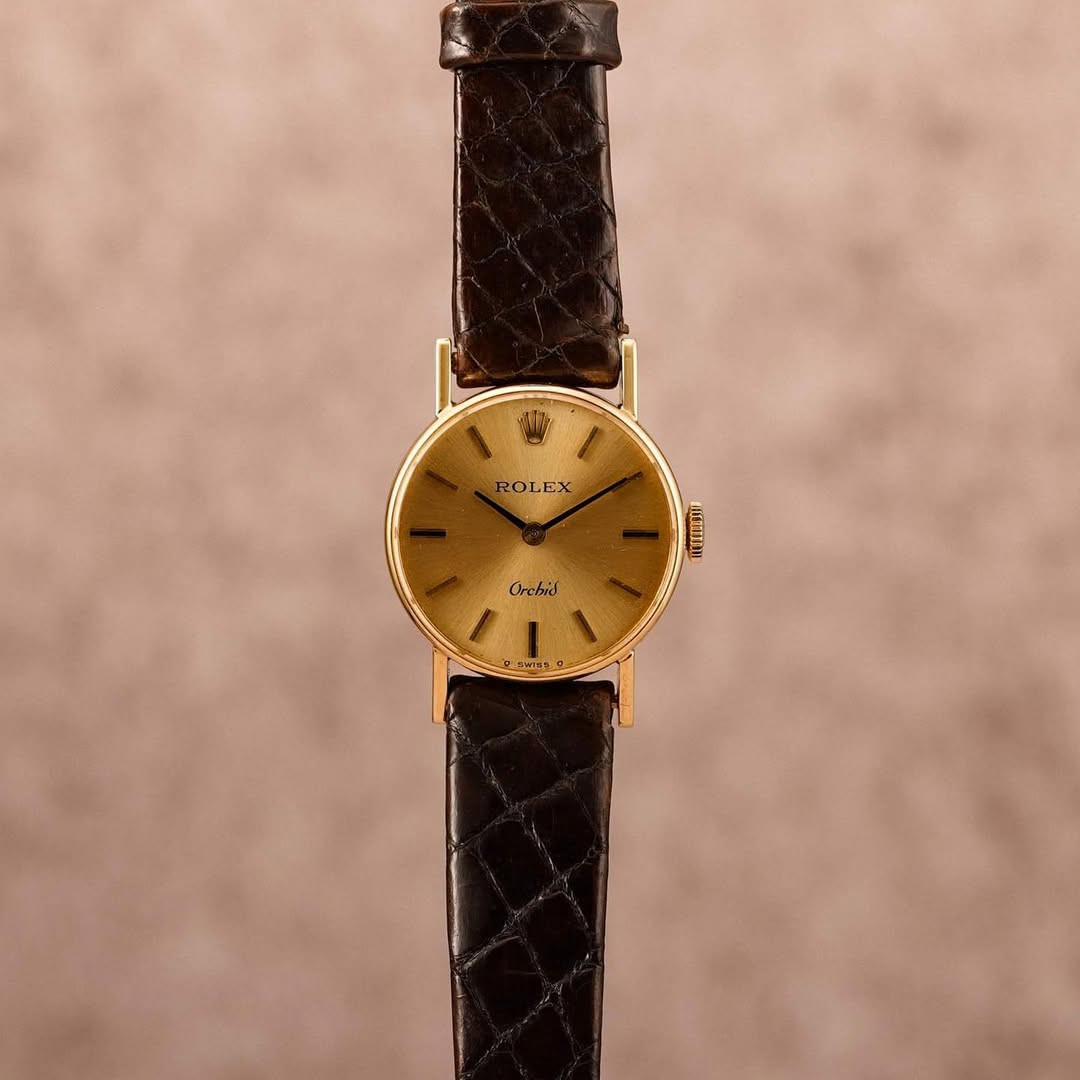
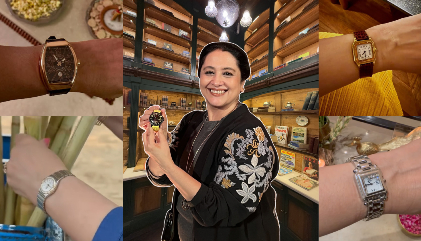
Among the brand's most exclusive ladies' watch lines was the Rolex Orchid. It was primarily produced between the 1950s and 1970s, although some models were created earlier or continued into the 1980s. The collection belongs to the category of so-called cocktail watches – small, elegant timepieces intended less as everyday instruments and more as jewelry for evening wear. Typical of the Orchid models are extremely compact cases, often with diameters between approximately 15 and 20 millimeters.
These timepieces, combined with elaborately designed bracelets, were predominantly crafted from 18-karat yellow or white gold. These integrated metal bracelets often featured artistic surface textures, such as Florentine finishes or decorative motifs like so-called "bamboo" designs, and were occasionally further embellished with diamonds. Inside, they typically housed mechanical hand-wound movements that reflected the technical standards of high-quality ladies' watches of that era. The Orchid collection did not follow a unified design code; rather, the line was characterized by a great diversity of forms and interpretations of jewelry. Numerous references were incorporated into the Rolex-Cellini line, with which it shared a focus on elegance, precious metals, and decorative watchmaking. Today, Orchid watches are considered rare collector's items. They exemplify an era in which luxury ladies' watches were consciously conceived as jewelry objects, and the boundaries between Haute Joaillerie and watchmaking were fluid.
3. Rolex Turn-O-Graph
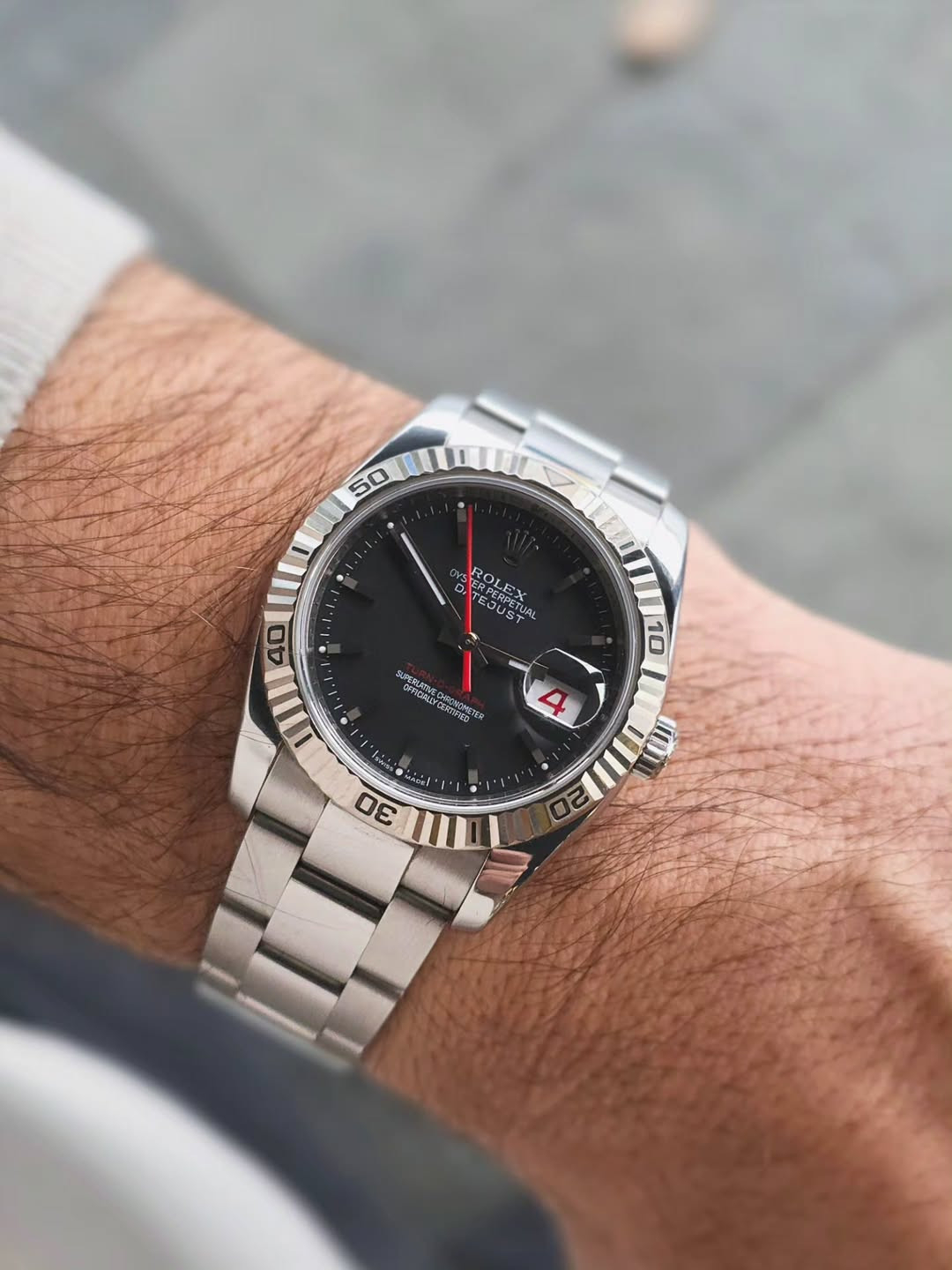
The Rolex Turn-O-Graph is one of the brand's most historically interesting, yet often overlooked, models. First introduced in 1953, it is considered the first mass-produced Rolex with a rotating bezel for measuring time intervals – a feature that would later become a central element of many of the brand's professional tool watches. The original reference 6202 had a bidirectional rotating bezel scaled to 60 minutes, allowing time intervals to be measured much like a simple stopwatch. The Turn-O-Graph thus anticipated a concept that was soon further developed in a specialized form in the Rolex Submariner and later in the Rolex GMT-Master. Just a few years after its introduction, the model's design became more closely aligned with the Rolex Datejust. From the 1950s onward, variants with a date display and the characteristic knurled bezel appeared. It was during this period that the Turn-O-Graph officially became part of the Datejust family. Some versions were nicknamed "Thunderbird" after being used by the US Air Force's aerobatic display team. The model remained in production through several reference generations until 2011. The final versions retained a 36-millimeter case, automatic in-house movements such as the Calibre 3135, and distinctive red accents on the dial and hands. Although the Turn-O-Graph never achieved the iconic status of the Submariner or GMT-Master, it paved the way for many of the brand's later functional watches and is considered by collectors to be a kind of link between the classic Oyster models and Rolex's modern sports watches.
4. Rolex Milgauss
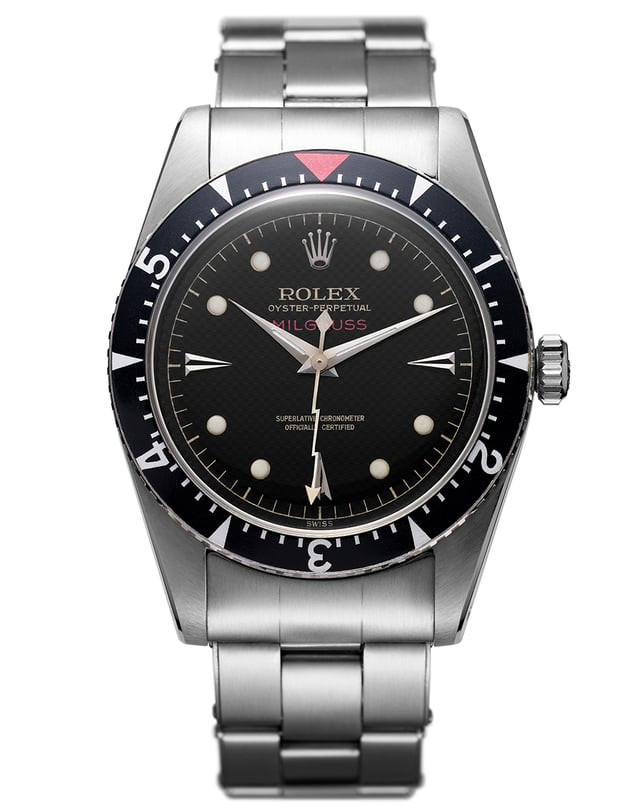
One of the most distinctive models in Rolex's portfolio is the Milgauss. Introduced in 1956, it was specifically designed for professionals working in highly magnetized environments – such as engineers, physicists, and medical technicians. It is particularly well-known for its association with scientists at CERN, whose work environment generates high magnetic fields. The name "Milgauss" directly refers to its technical feature: the watch is resistant to magnetic fields of up to 1,000 gauss. This was made possible by a soft-iron inner cage that shields the movement from magnetic influences. Later generations combined this construction with paramagnetic components within the movement itself. In terms of design, the Milgauss developed a unique identity within the brand. Its most striking feature is the lightning bolt-shaped seconds hand, reminiscent of electrical discharges, which has become one of the most distinctive design elements in the entire Rolex collection.
Modern versions also feature a slightly green-tinted sapphire crystal. This model line has gone through several production phases. After the first generation, produced from the 1950s to the 1980s, it was discontinued in 1988 before Rolex relaunched it in 2007 with reference 116400. This reinterpretation combined the classic concept of the antimagnetic watch with modern technology and a significantly more distinctive color and design language. In 2023, Rolex finally discontinued the Milgauss once again. Today, it is considered an unusual outsider within the collection: a technically highly specialized watch with a distinctive design that deliberately sets itself apart from the more familiar sports models.
5. Rolex King Midas
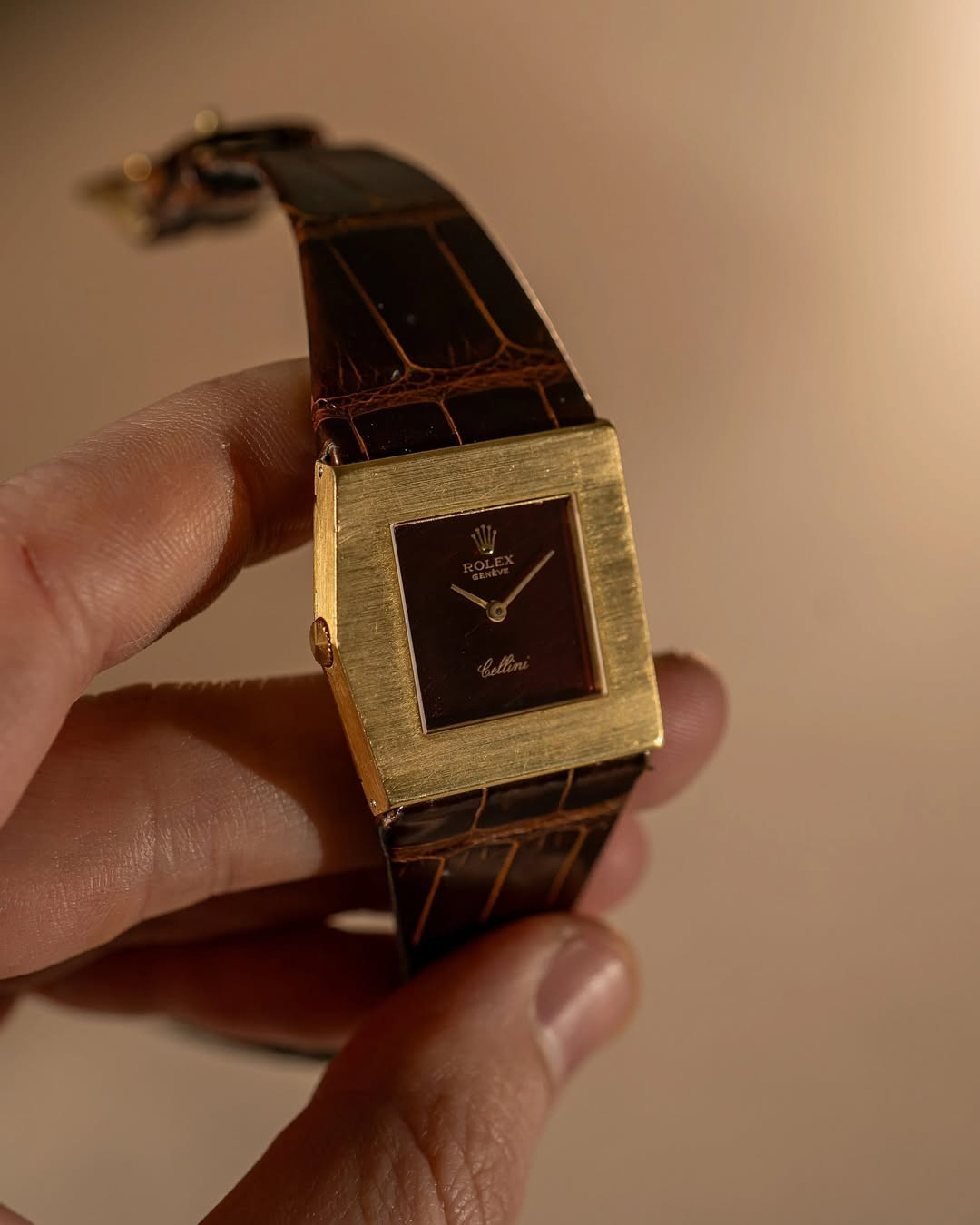
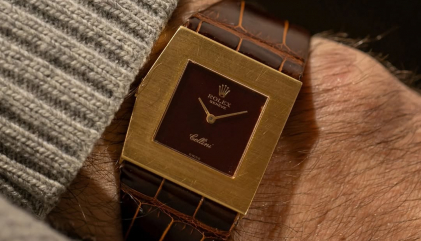
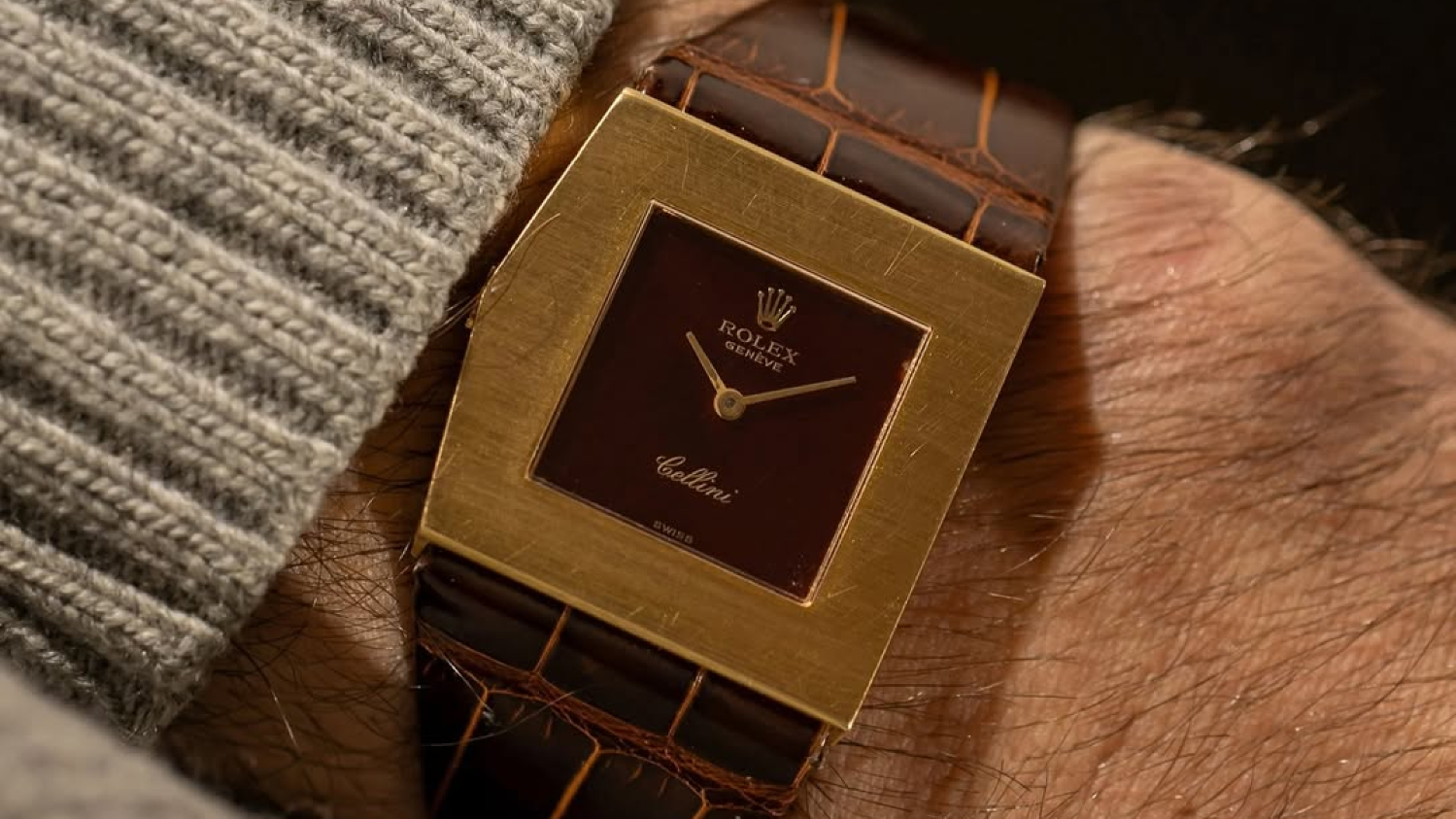
The Rolex King Midas is among the brand's most distinctive designs, marking a rare moment when Rolex consciously experimented with radical design. The first version, reference 9630, appeared in the early 1960s and combined an asymmetrical, sculptural case with a fully integrated precious metal bracelet – a deliberate counterpoint to the functional Oyster aesthetic of the time. Characteristic features include the solid 18-karat gold construction and the crown positioned on the left. The design is attributed to Gérald Genta. Technically, the watch remained deliberately minimalist: many depictions mention an ultra-thin, hand-wound caliber 650 movement, which moves only the hour and minute hands, thus emphasizing its elegant appearance. Among its famous wearers was Elvis Presley.
6. Rolex Chameleon
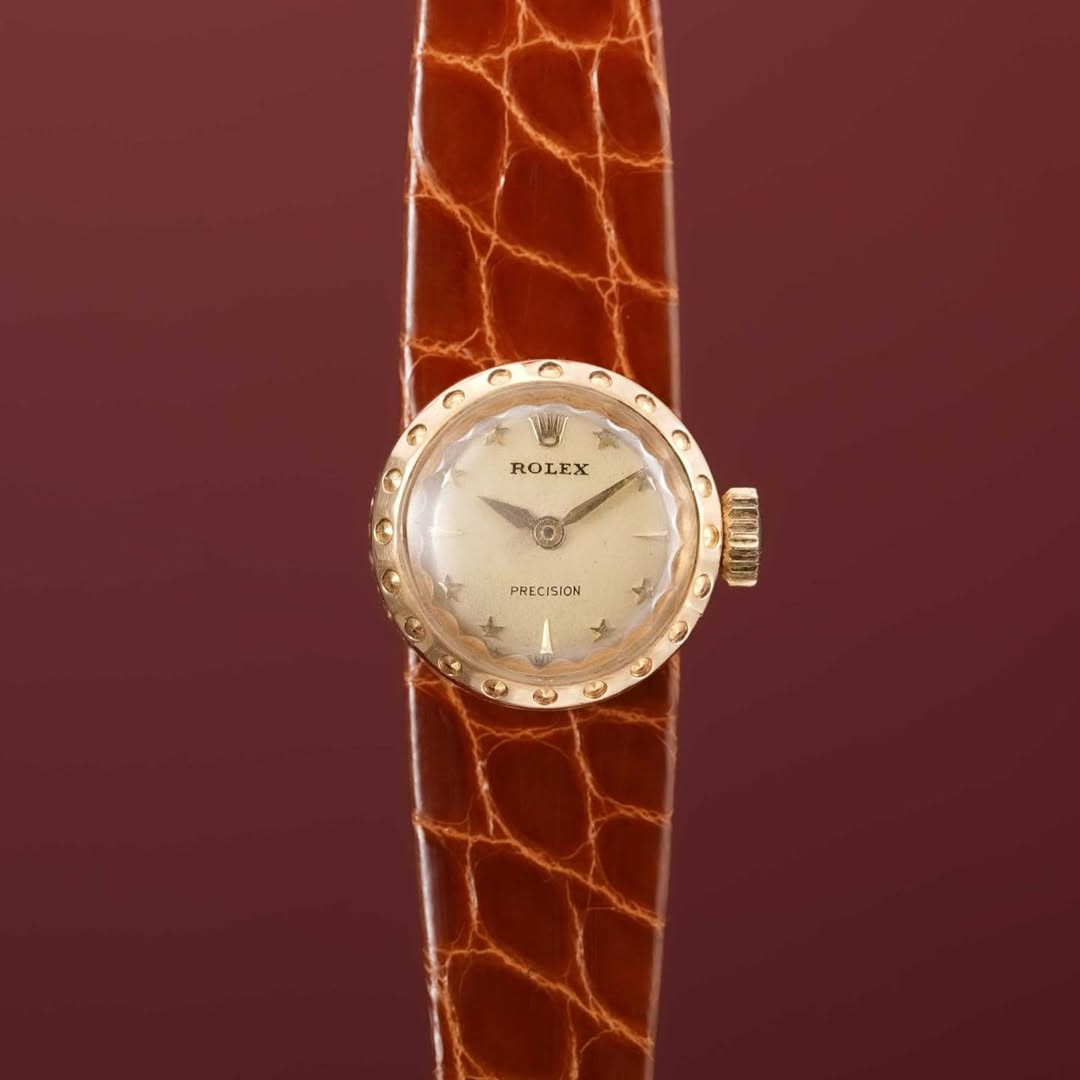
From the early 1950s, Rolex offered the Chameleon, one of the brand's more unusual ladies' watches. Characteristic of the collection was its modular concept: the small watch case could be combined with interchangeable straps, allowing the watch's look to be quickly adapted to different occasions or outfits. Early advertisements clearly illustrate this principle. The watch was often sold as a set, containing several colored leather straps – for example, in black, red, green, or blue. The case was usually very compact and tapered, and was held to the wrist by a simple pass-through strap. In addition to leather straps, there were also versions with precious metal bracelets or decorative jewelry bands. Throughout the 1950s and 1960s, a wide variety of designs emerged. The Chameleon appeared in different case shapes and materials, including stainless steel and various versions in 18-karat gold. Some models featured decorative bezels, while others were even set with precious stones. Today, well-preserved examples are considered interesting testimonies to a time when ladies' watches were consciously designed as fashionable accessories – and when Rolex also experimented with unusual, modular concepts.
7. Rolex Prince
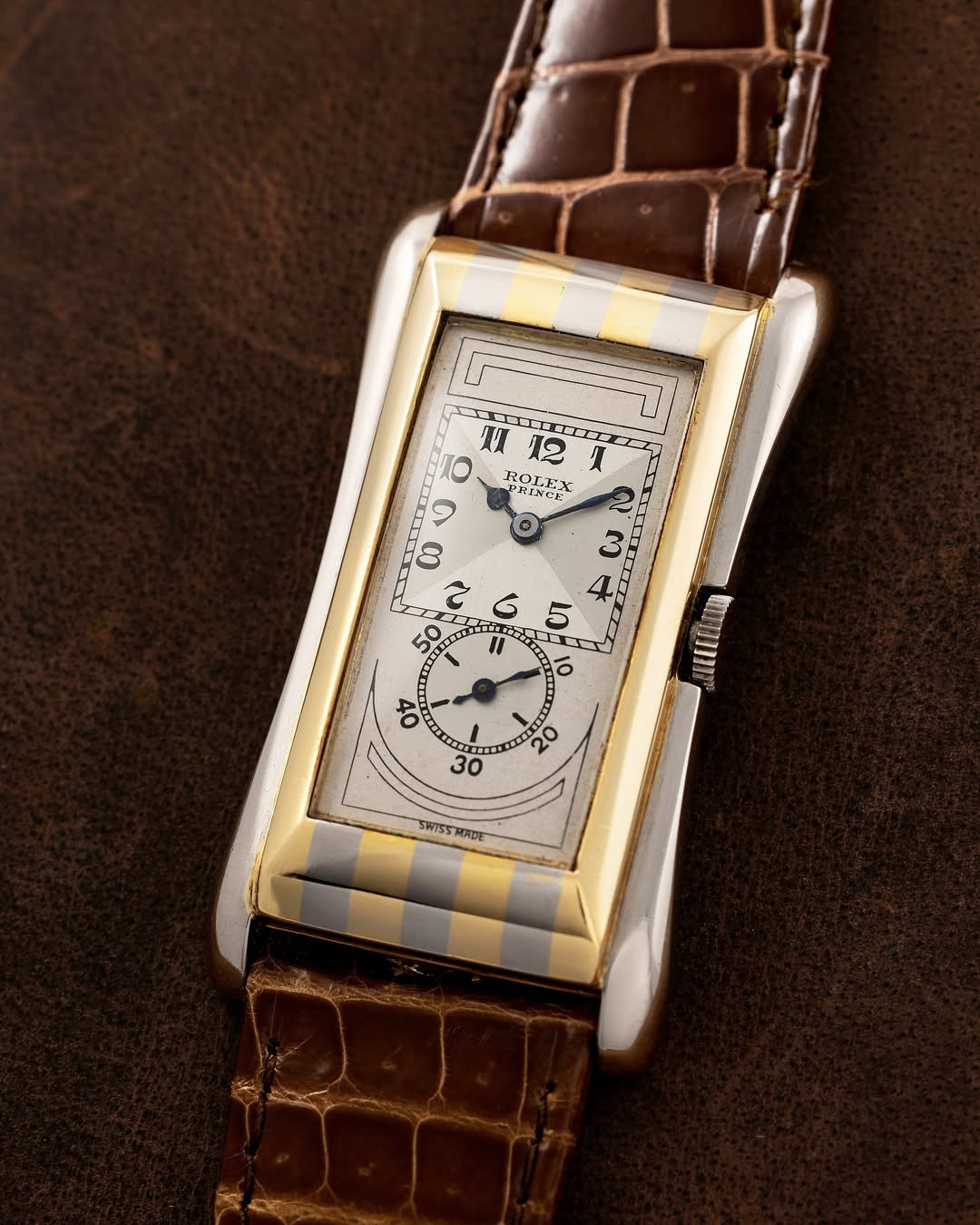
Often associated with the Art Deco style, the Prince models are among the defining rectangular wristwatches of the late 1920s and 1930s. A typical feature is the two-part dial architecture: hours and minutes at the top, and the small seconds at the bottom. This was considered particularly legible at the time and made the watches attractive for medical applications such as pulse measurement. In the collector's world, Prince variations are also valued for their design diversity and the often curved case shape that conforms to the wrist. Less well-known, but named in the same spirit, are the Rolex Princess and Rolex Queen models, which appear in historical advertisements from the early 1930s. Rolex discontinued the Prince line in the mid-20th century and relaunched it in the early 2000s within the Cellini family. This reissue, produced until 2015, could be considered a hand-wound dress watch and featured – as a unique characteristic within the brand – a display back and a rectangular movement. The Prince thus reveals a side of Rolex that is practically no longer associated with the brand today: form-conscious Art Deco watches.
Images: Courtesy WatchTime.net and Instagram pages - @robinbankswatches, @bernehorology, @stories_of_time_, and @monacolegendgroup.
Also Read :
Bremont presents a cheeky model of Altitude MB Meteor inspired by Felix the Cat
|
Rolex's iconic Pepsi bezel is coming to an end
|
Ressence's new Type 9 IKE is limited to 8 pieces
More In features






Sign up for our newsletters to have the latest stories delivered to your inbox