In an industry where technical innovation overshadows most else, there are few watch brands that have a philosophical approach to timekeeping. However, Montres Hermès is a watchmaker that has been able to straddle both these ideas. With a watchmaking history of almost a century, Hermès timepieces don’t just tell time, they try to explore facets that are beyond usual timekeeping. It’s poetic even. In 2014, the brand introduced Dressage L’heure Masquée, a watch that features a hidden hour hand that only appears when a button set into the crown is pressed, creating a playful interaction with time. This was followed by Slim d’Hermès L’heure Impatiente in 2017, which allowed the wearer to set a time; an hour before a retrograde hand on a subdial begins its 60-minute countdown, the completion of which is marked by a crisp chime.
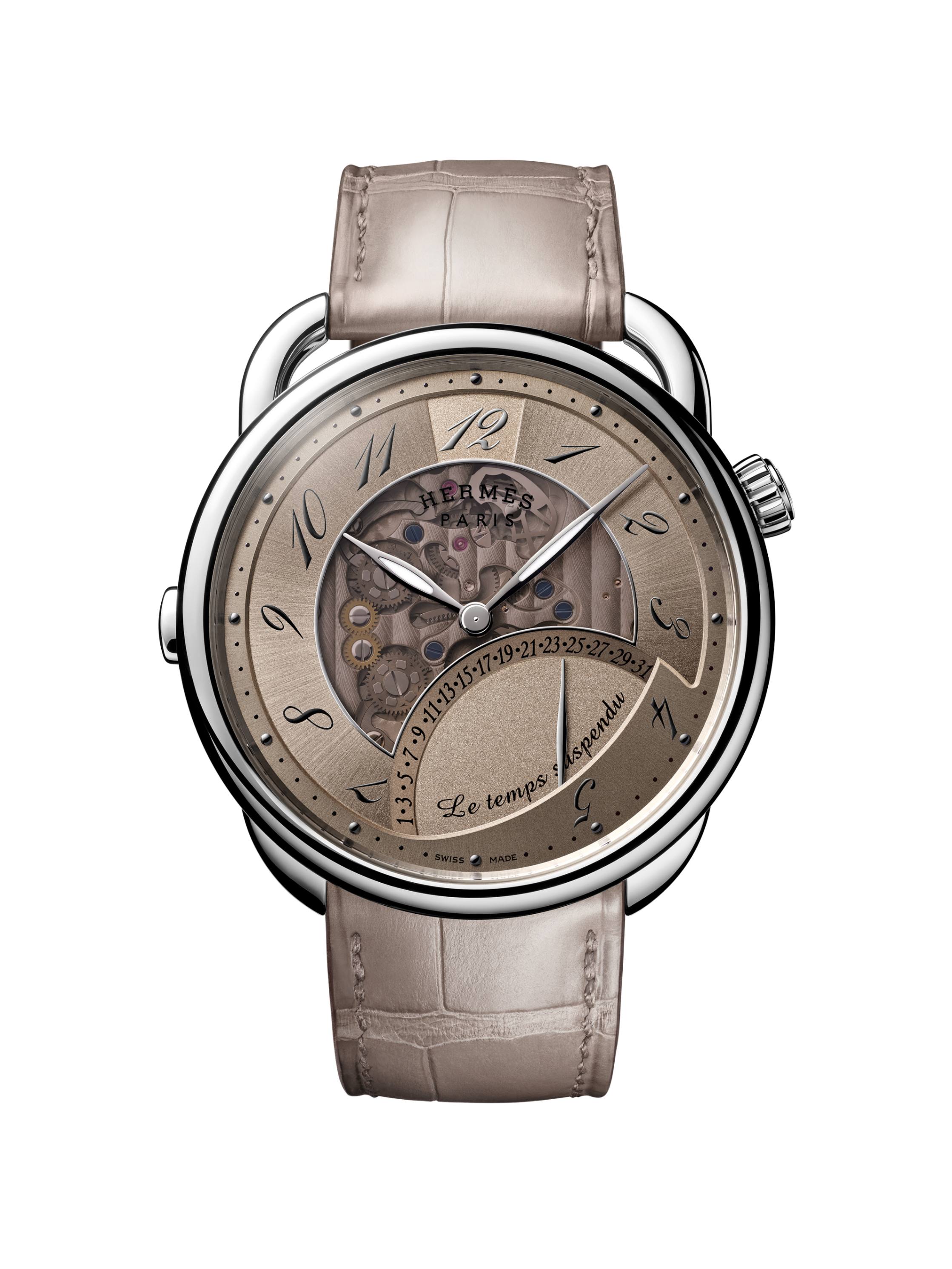
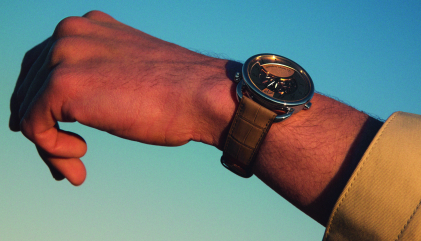
But before these complications, in 2011, the brand introduced at Baselworld the Arceau Le Temps Suspendu (time suspended), featuring a world-first novel complication that won it the Best Men's watch award at the Grand Prix d’Horlogerie de Genève the same year. The beauty of the complication lay in the fact that the wearer could, at the push of a button, ‘suspend time’ or stop it, and upon another push, restart it without any loss in timekeeping accuracy. “Rather than measuring, ordering, and seeking to control it, Hermès dare[d] to explore another time, designed to arouse emotions, open up parentheses, and create spaces for fantasy and recreation,” says Philippe Delhotal, creative director, Hermès Horloger.
“This suspended parenthesis enables each person to consider their relationship with time as they wish, and to gift, themselves or to others, a qualitative time.”
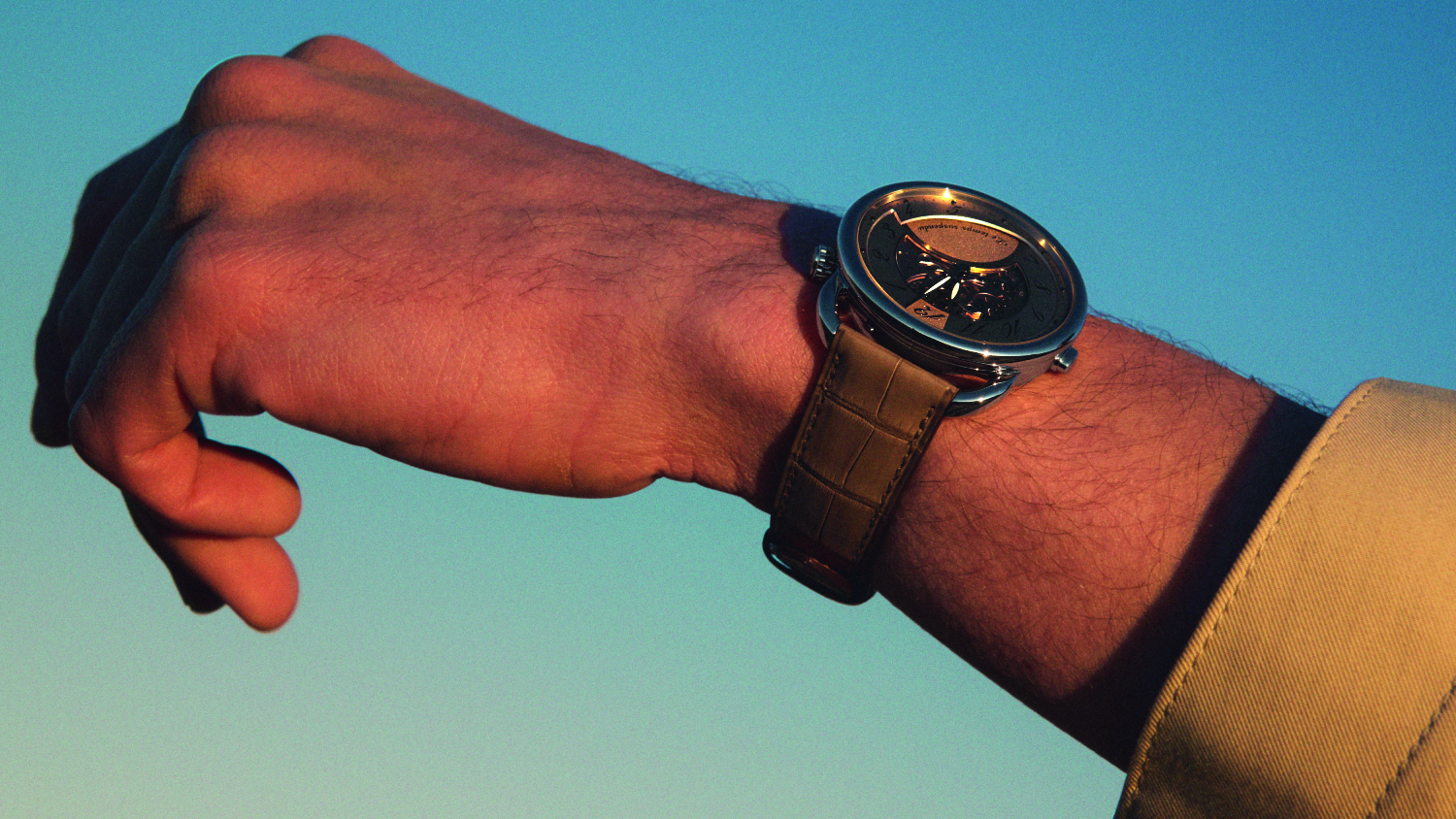
This year, the brand brought back this iconic complication at Watches and Wonders after 10 years, in its Arceau and Cut collections. The Arceau Le Temps Suspendu appears in three dial colours: Rouge sellier, matt étoupe, and bleu abysse, in a reduced size of 42mm (from 43mm of the original) in white and rose gold. The models feature Hermes’s Calibre H1837 developed by Vaucher movement, topped with the Temps Suspendu module created by Agenhor, offering a power reserve of 45 hours.
The crown to set time is at 2 o’clock, and pusher to suspend time sits at 9 o’clock—when activated, the hour and minute form a ‘V’ at 12, and the hand of the retrograde date arc at 5 o’clock disappears behind a raised chapter ring. When pressed again, the hands display the current time. Maintaining the signature design elements of the Arceau—asymmetrical lugs and slanted Arabic numerals—this release made the movement visible for the first time in Arceau line, with an anti-glare sapphire crystal and a transparent caseback.
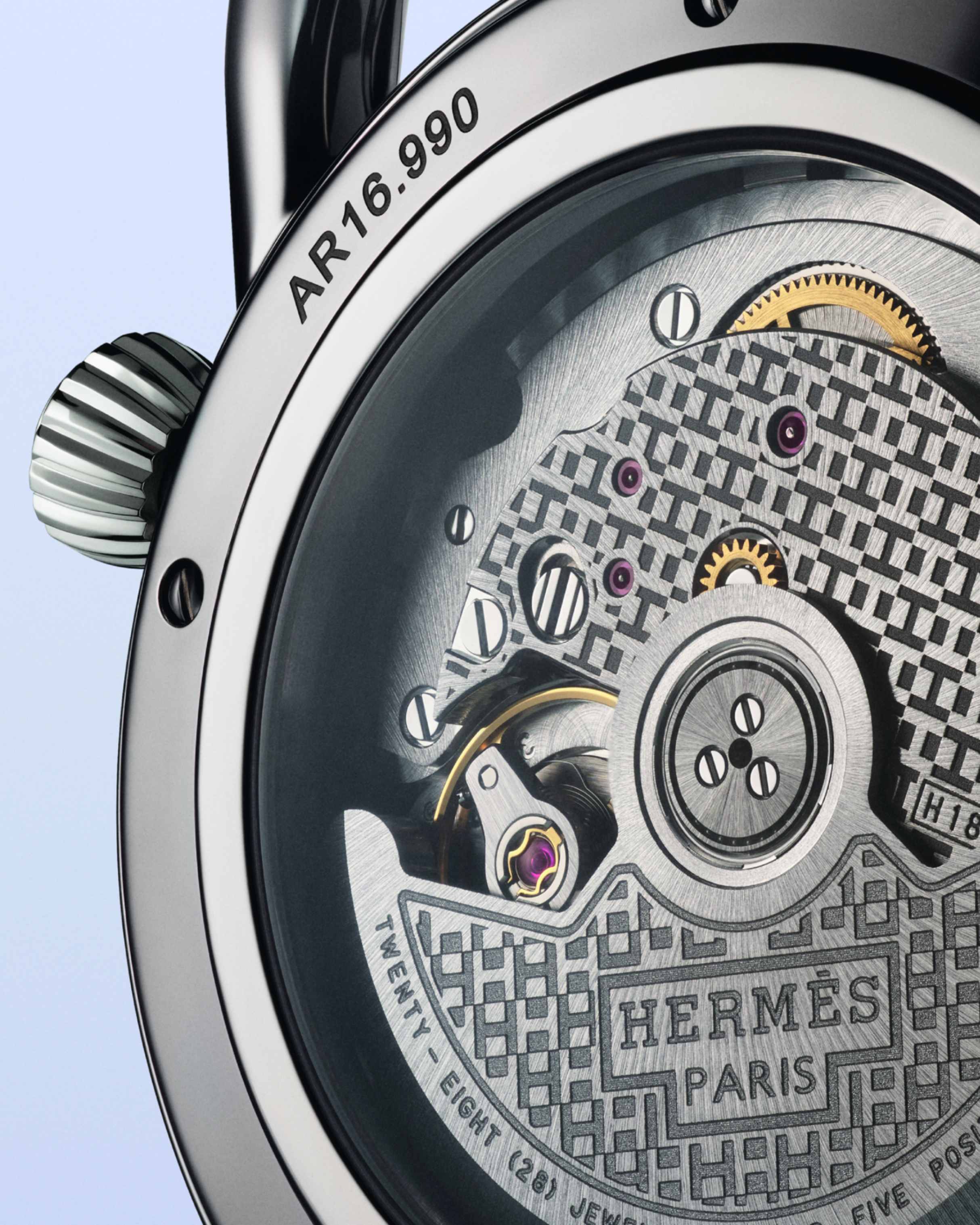
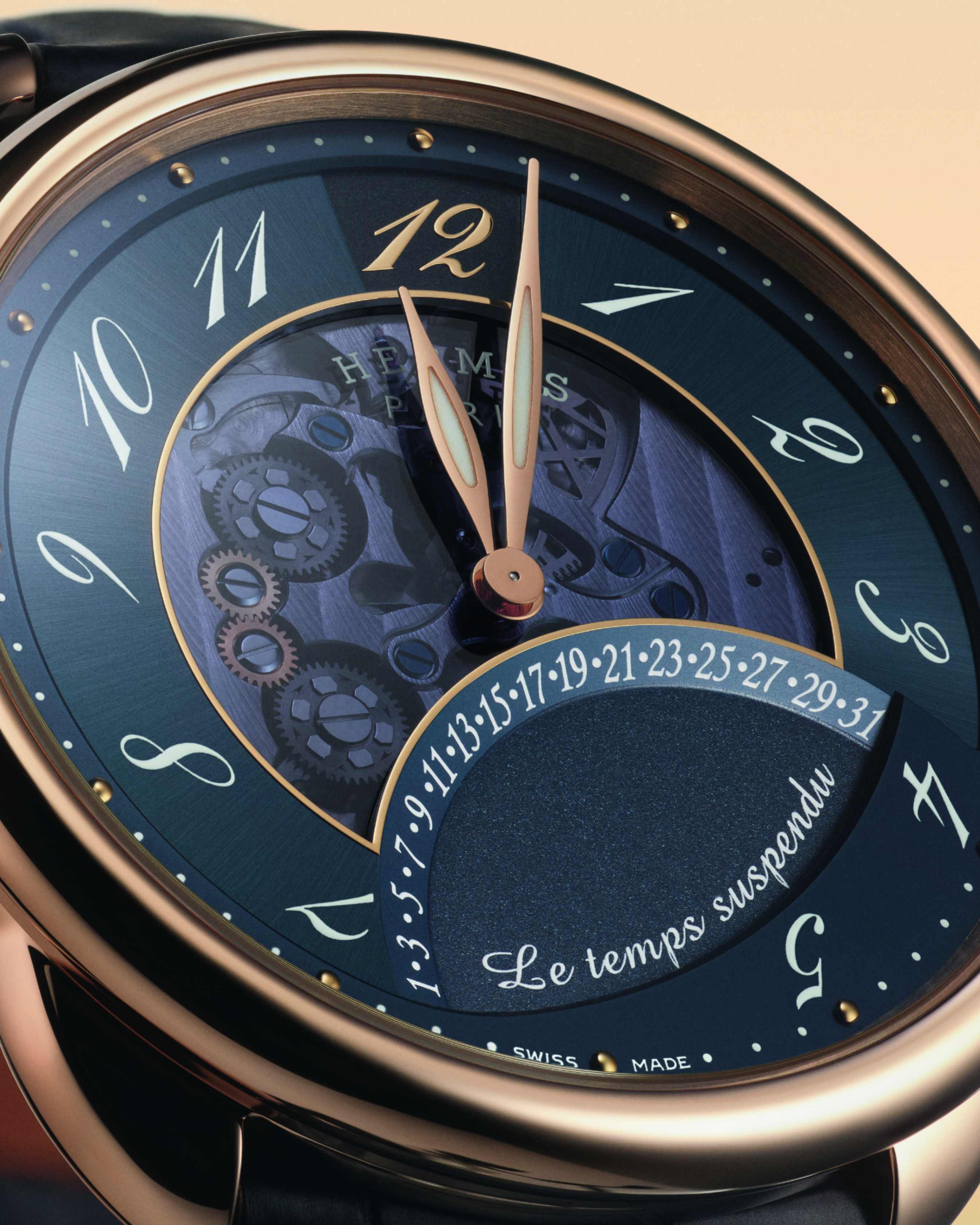
“We reworked a lot on dials to play on textures and transparency, providing glimpses of the choreography performed by demanding watchmaking techniques, offering a parenthesis in time,” says Delhotal.

Along with this, the brand also introduced this complication in its Cut collection, which debuted last year, with Cut Le Temps Suspendu. A 39mm watch, it features a 24-second counterclockwise running indicator at 4 o’clock. The pusher to suspend time is placed at 8 o’clock and the winding crown between 1 and 2 o’clock. “Involving a return to essentials and fundamentals, it seemed only natural to us to offer Time Suspended in the Hermès Cut line,” says Delhotal. It was released in three variations: Sunburst red-tinted dial and opaline silver-toned dial with an option of a diamond-set bezel.
Hermès didn’t start making wristwatches until 1928. That year, the maison introduced the Ermeto, a rectangular, manually wound travel clock with a sliding case design, created by the Swiss manufacturer Movado. It was the first watch that had the brand’s name on it and was sold at Hermès’s 24 Faubourg flagship store in Paris, opened by Charles-Émile Hermès, founder Thierry Hermès’s son. Back then, the brand was collaborating with established watchmakers like Movado, Jaeger-LeCoultre, and Universal Genève to produce watches under its own name, which were sold at the Paris flagship.
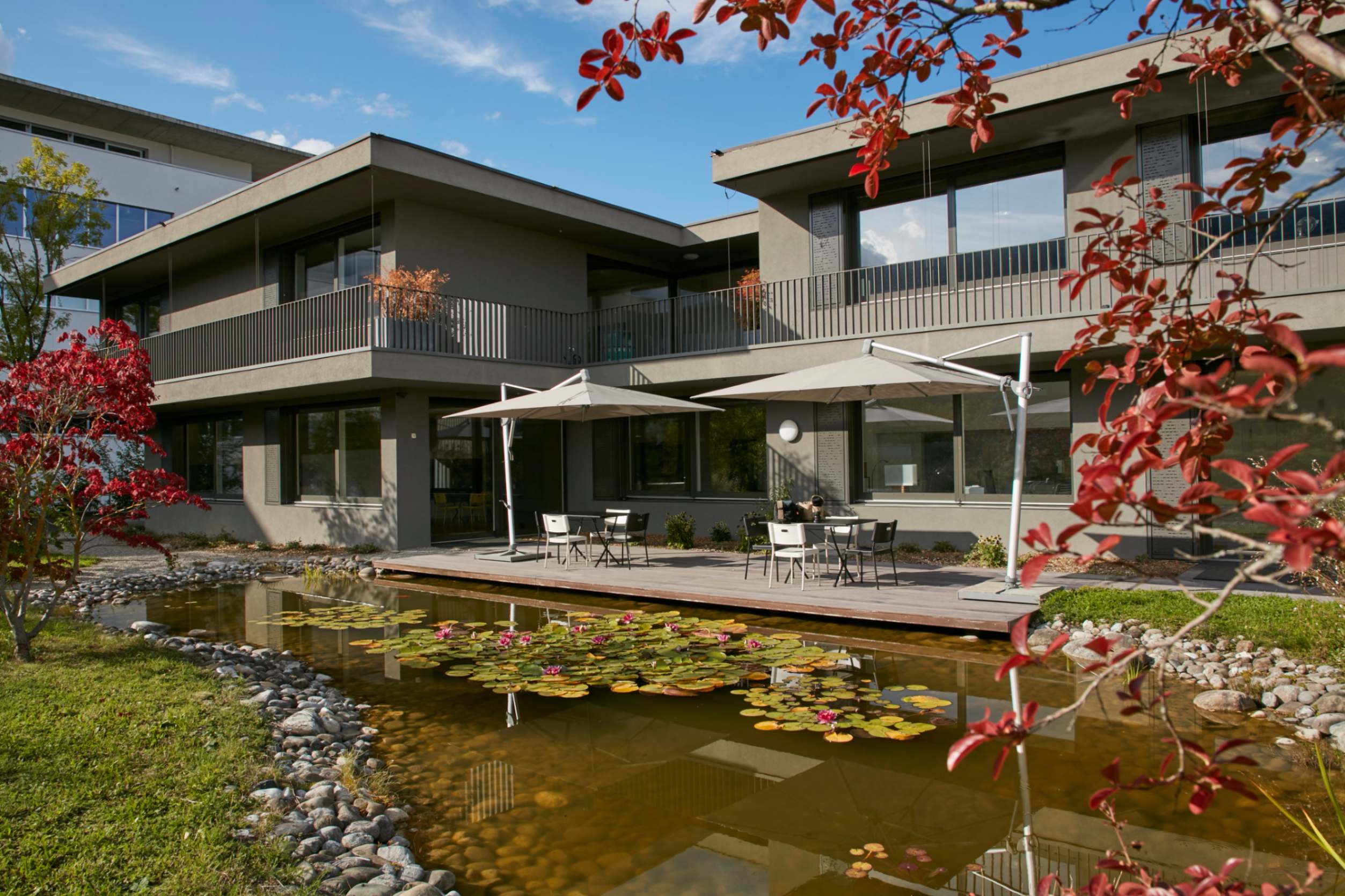
Hermes’s position in the world of watchmaking underwent a shift with the establishment of La Montre Hermès manufacture in Brugg, near Biel, Switzerland, the seat of watchmaking, in 1978 by Jean-Louis Dumas, the great-great-grandson of Thierry Hermès. With the idea to step deeper into haute horlogerie, the same year Hermes launched its now iconic Arceau collection. Designed by Henri d’Origny, brand’s artistic director at the time, it was inspired by the brand’s equestrian heritage. The time-only pieces exuded an elegance that fit the maison’s image.
Even by 2010, Hermes was largely making time-only watches, and no one was expecting a complicated watch from the brand. But Hermès wanted to change that. The world had already witnessed the most complicated watch of the time with the release of Franck Muller’s Aeternitas Mega. It had a total of 36 complications, 1,483 components, and a 1,000-year calendar that took five years to make. In 2011, Hermès finally released a watch with a complication. A complication that was unexpected and unheard of. “If only we could stop the time,” Emmanuel Rafner, the former CEO of La Montre Hermès, had told Jean-Marc Wiederrecht, independent watchmaker and founder of Agenhor, a Swiss manufacture of movements and complications, over a dinner. As a creator of complications, Jean-Marc thought about it over months and finally concluded, “Hermès did not want to stop time, but to suspend it.”

“The idea was to offer yourself a parenthesis, to give you the possibility to offer you time with no way to count it. Then, and this is one of my father’s greatest talents, he found a technical solution that is completely out of the box,” writes Nicolas Wiederrecht, director general of Agenhor, who had been working with his father since 2005, over e-mail.
And that’s how Jean-Marc came up with Hermès’ unique Le Temps Suspendu complication. A poem written by Alphonse De Lamartine in 1820 called Le Lac set the tone for the complication—early handwritten documents made by Jean-Marc feature some words of this poem: Ô temps! suspends ton vol, et vous, heures propices! (O time! suspend your flight, and you, propitious hours!) / Suspendez votre cours (Suspend your course) / Laissez-nous savourer les rapides délices (Let us savour the swift delights) / Des plus beaux de nos jours! (Of the most beautiful of our days!)
“Technically, the magic idea my father had was to handle all the hands of the watch as retrogrades, which gives the advantage of suspending the time without actually stopping the mechanism,” says Nicolas. So, Jean-Marc created a module placed upon an ETA movement for this very first watch. In the module, the running time and suspended time are coordinated by two synchronised column wheels, one driving the hours, and the other the minutes, which is also coupled with the date hand. Upon the activation of the pusher, the lever is lifted from the cam; the lever is above the highest point of the cam and does not move anymore. In other words, the hands are disconnected from the mechanism, but the mechanism is running because the cam is still linked to the movement. The watch was three years in development. Nicolas found elements of this project in 2007; however, the first prototypes were made in 2010 for a presentation at Baselworld in 2011.
Keeping up with the whimsical nature of this complication and the brand, Nicholas adds that the watch “winks” at you every hour. “As the hour and minute hands are retrograde on 360 degrees, none of the hands make more than one turn. It means that every hour, the minute hand goes backwards 360 degrees. This move is extremely fast and you can hardly see it. You do not know what happened, but you see that something special happened. Every 12 hours, the hour hand is the same.”

The brand released three references in 2011 in rose gold (Ref. AR8.97A.222/MHA); steel with a black dial (Ref. AR8.910.220/MHA), and steel with a silver dial (Ref. AR8.910.330/MNO). The case was 43mm and the dial was finished with two textures, a herringbone guilloché dial, while the retrograde indications are enhanced by a contrasting grained finish. The watch was protected by two patents—one for its construction and other for the play-reducing gear teeth, a key component used in the complication for suspending time.
After Arceau Le Temps Suspendu’s maiden outing, the brand released different iterations in the following years. In 2013, Hermes launched a reduced size version of the watch in 38mm with a diamond-set bezel (Ref. AR7.471.213/ZAR), along with an option of non-set bezel (AR7.410.220/ZAR1-I). This model replaced the retrograde date arc with an anti-clockwise operating indicator running on 24 periods to indicate that even if the time is suspended, the mechanism is still performing. “At Hermès, we like to do things differently and to bring those famous ‘pas de côtés (no sides)’ dear to the house, that is why this counter is running anticlockwise and on 24 periods, in tribute to 24 Faubourg St-Honoré,” says Delhotal. Powering this model was a different movement, the Hermes H1912 created by Vaucher with the Agenhor module, which offered a power reserve of 50 hours. It is the same one that powers the new Cut models.
In 2015, the brand went back to Arceau’s original design and size of 43mm and with two new iterations: Ref. 038688WW00 with an opaline silver dial, Ref. 038093WW00 with a brown-chocolate dial. This model was powered by Agenhor’s automatic movement 4111, offering a 42-hour power reserve.
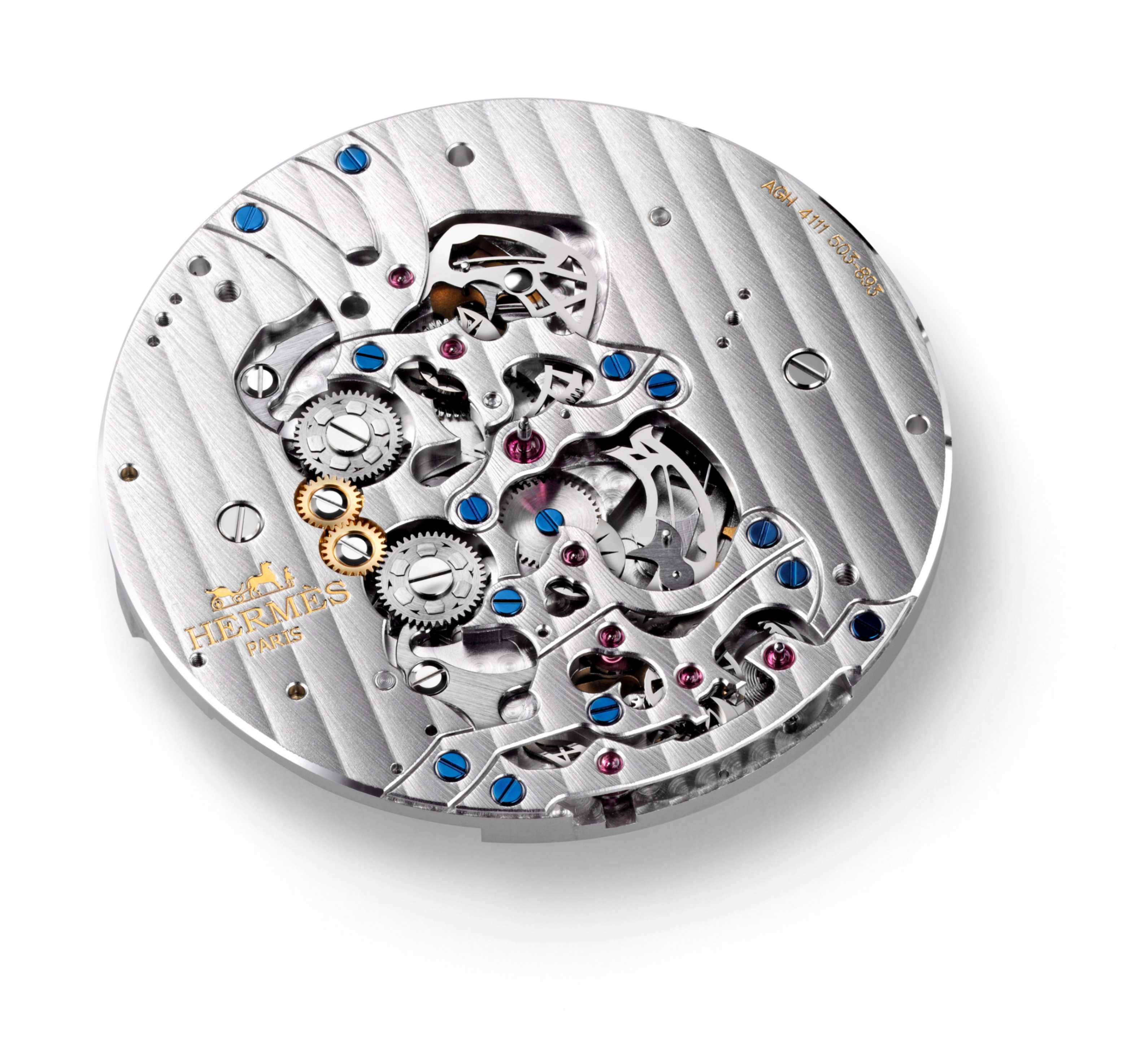
Beyond the Le Temps Suspendu, Hermes has continued to develop other equally philosophical and poetic complications. In 2019, it came up with the idea of twisting the moonphase complication, revealing the hidden cycle of the moon seen from both hemispheres in Arceau L’heure de la lune—it won the GPHG that same year in the Calendar and Astronomy category. And in 2022, Arceau Le temps Voyageur, a dual-time watch. But it was the Le Time Suspendu that set the pace for these innovations. “Le Temps Suspendu is the very beginning of Hermès Horloger’s distinctive territory. It opened the chapter of singular complications, a singular way of seeing and living time. A time made to arouse emotions and an invitation to another universe. This first milestone put the light on Hermès watchmaking, and started to establish us as true watchmaker,” says Delhotal.
Image: Courtesy Brand
This story first appeared in WatchTime India's July 2025 print issue.
This story first appeared in WatchTime India's July 2025 print issue.
Also Read :
Watches and Wonders 2026: Hermès’s new H08 Squelette, the Arceau Samarcande, the Slim d'Hermès Squelette Lune, and the extraordinary Pocket Watch Slim d'Hermès Roaaaaar
|
Watches and Wonders 2025: Hermès brings back its exclusive Time Suspended complication
|
Hermès introduces Slim d'Hermès Pocket Mysterious Rider
More In features


Sign up for our newsletters to have the latest stories delivered to your inbox