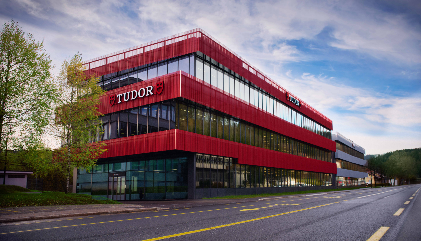
As I enter the Tudor Manufacture in Le Locle, Switzerland, in the Jura mountains, a voice floats above the small crowd of noisy journalists that I am part of, announcing that we could take as many photographs and videos that we wanted inside the facility. “In fact, we encourage you to create as much media as you can,” it states. This is the first of many things, as I realise over the course of my visit, that sets the relatively new Tudor manufacture apart from other watch manufactures I have visited. While watch brands encourage questions and are open to providing information on how their timepieces are developed, they generally draw the line at carte blanche photography and videography at the facilities (there are usually designated areas where this is allowed) given the risk of misinterpretation, or worse, the leaking of proprietary information. But Tudor seems to have no such qualms.
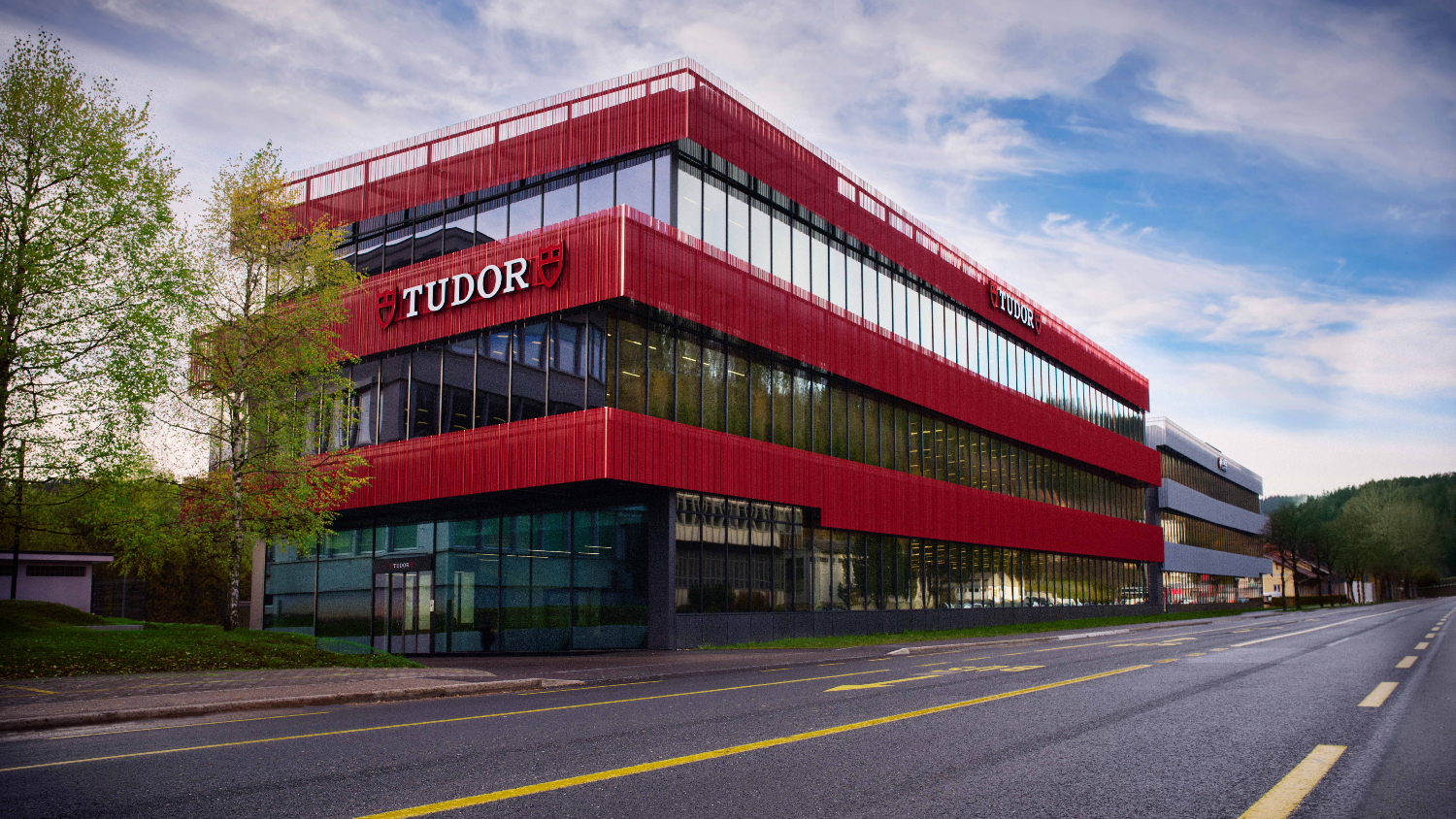
The brand’s enthusiasm borders on the celebratory, and that is understandable. The Tudor manufacture officially opened during Watches and Wonders 2023, though it was completed in 2021 after three years of being under construction. That’s a period that includes the pandemic, and harsh winters when temperatures dropped to -30°C. “It has been a challenge to build this manufacture,” says a Tudor spokesperson who is responsible for the production facility. “But we were lucky as the builders didn’t stop, and worked under protection to finish the project. Also, this location is in a wet terrain, which created an issue with a lot of water in the ground. So, to stabilise the building, 30m-long concrete was drilled into the ground to touch the bedrock. After that, the building itself was made within six months, with 8,050 cubic metres of concrete, and 1,000 tonnes of metal.”
All of that has resulted in a facility that today stands five-storeys tall, and is spread over a working area of nearly 5,600 sq m, with a façade that’s drenched in the Tudor ‘red’. It is physically and visually connected to the Kenissi Manufacture next door, Tudor’s movement production facility, decked out in grey.
Practically, the building is representative of a lot more though. For nearly 100 years, Tudor was part of the Rolex building in Geneva, and historically relied on Rolex cases and outsourced movements. The new facility, the first production building entirely dedicated to Tudor, has made the brand’s work with its suppliers easier. “When we were in Geneva, we had to travel to the Jura mountains to speak to them or exchange components. So, the proximity has made it easier. It has also made it very easy to motivate and engage all watchmakers, because now they have their own house,” says the spokesperson. The watchmakers, and by extension the team he is referring to, is the 140-strong group that makes up the Tudor manufacture (its nearly the same number at Kenissi next door). The Tudor team manages the nearly 700 references that make up the current catalogue, assembling and testing them entirely at this facility.
Before we head into the manufacture, we are handed lab coats to wear that are woven with Kevlar, which helps capture dust and hair before one enters the floor. Even within the building, a continuous flow of air is created thanks to the powerful HVAC system located in the basement so that dust doesn’t spread. We are first led to what is popularly called the ‘heart of the building’—part of it are the ‘safe’, which stocks every component and spare part required for any Tudor reference under production, and Tudor’s Automatic Stock System, a cutting-edge solution for production management. It’s also the only part of the building we can’t photograph.
The Automated Stock System is an automated process designed to optimise watch assembly operation and cut logistics time. What that means is that watchmakers on the floor feed into this centralised computerised system their orders, i.e. what they require—be it dials or movements—and when and which part of the manufacture they require it in. A system of robotic hands manages that order by receiving, preparing, and storing the components in a tray, and the Automated Stock System, present across the building, transports it to their specific delivery stations, from where the watchmaker collects it. Only one of its kind in Le Locle, the assembly and fine-tuning of the Automated Stock System was one of the most complex and time-consuming operations during the construction of the building. While seven people are dedicated to its logistics and management in shifts, the robotics is geared to work 24/7.
Assembly of Watches
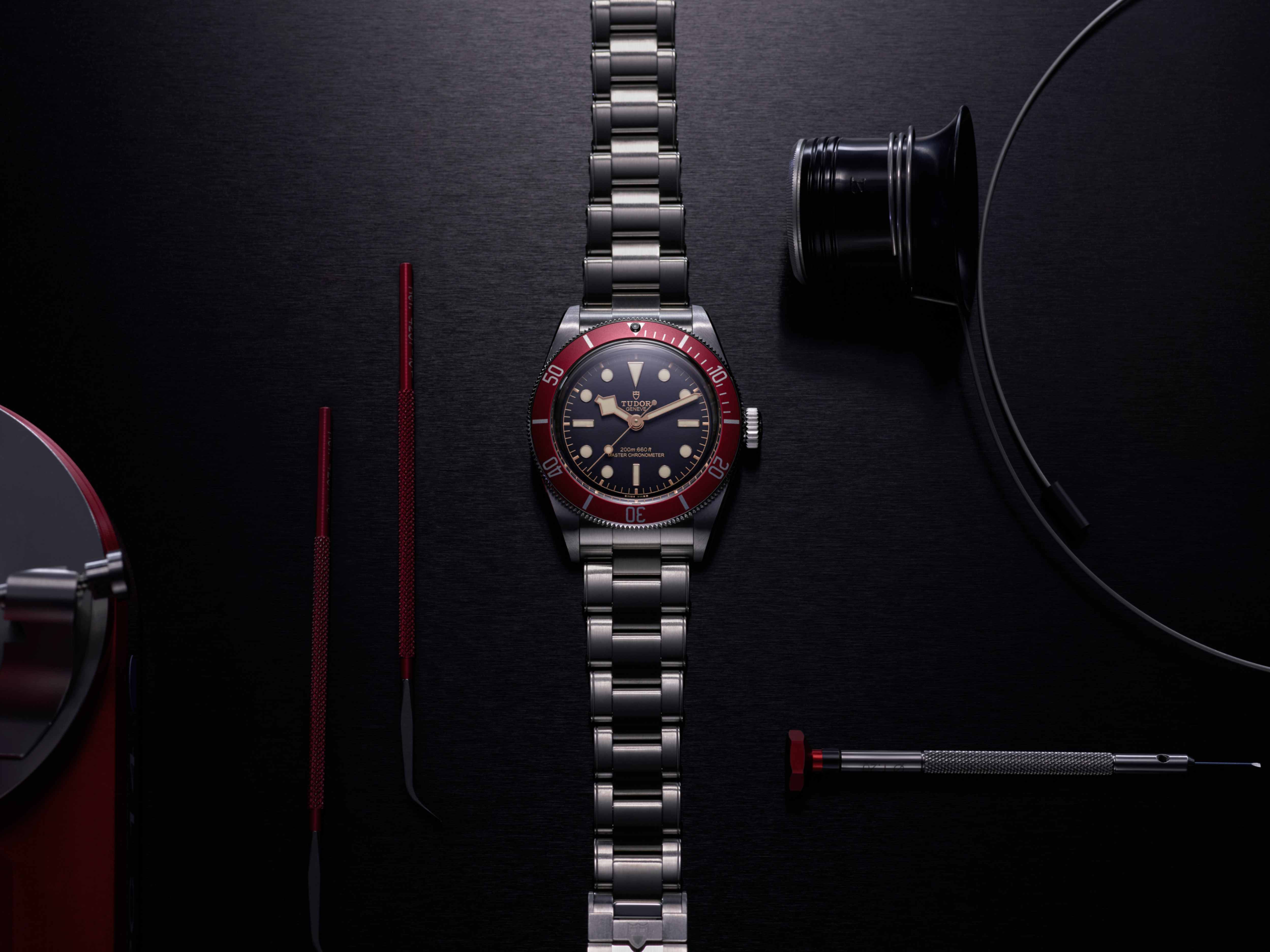
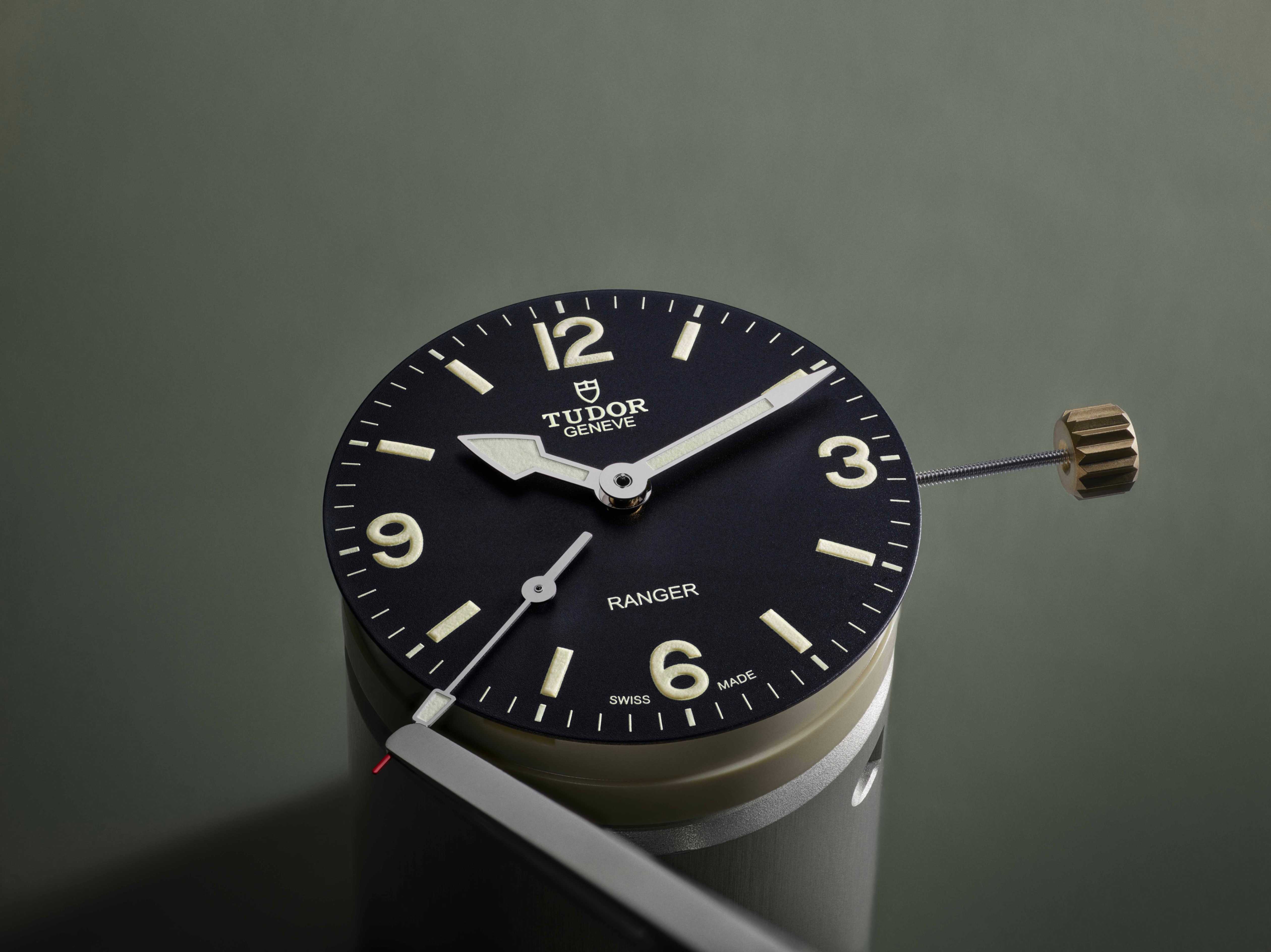
There is 516 sq m of floor dedicated to the assembly of watches at the Tudor manufacture, which merges the traditional knowhow of watchmakers with advanced technologies. The brand’s production philosophy dictates that no stock be kept, which means that every watch being assembled here is for a client or retailer. That further translates into every watchmaker at Tudor being adept, versatile, and ready to master any assembly operation on any watch in the catalogue. There are a number of autonomous assembly cells in this workshop, each cell comprising four watchmakers who are trained in every discipline of the process like dial fitting, hands fitting, and casing. Final checks are done at a separate cell. If a quality issue is identified at any stage, the watch goes straight back to the last watchmaker working on it.
Testing
On the second floor of the manufacture is where the testing is done. It is here that 100 per cent of all the assembled pieces go through several machines to test for Tudor Reliability Control, meaning a fully assembled watch meets (-2/+4) seconds precision per day if it is equipped with a Manufacture Calibre, and (-4/+6) for other calibres. The Tudor Black Bay, Black Bay Ceramic, Black Bay 58, Black Bay 58 GMT, Black Bay 68, Pelagos Ultra, Pelagos FXD GMT, and most recently, the Monarch are METAS Master Chronometer certified here. To achieve METAS certification, watches need to be Swiss Made, have a COSC certification, maintain precision at two temperatures, in six different positions and at two different levels of power reserve (100 per cent and 33 per cent), have smooth functioning when exposed to a magnetic field of 15,000 gauss and precision following exposure, and have waterproofness to 200 m (660 ft), and lastly, boast 65-hour or 70-hour power reserve.
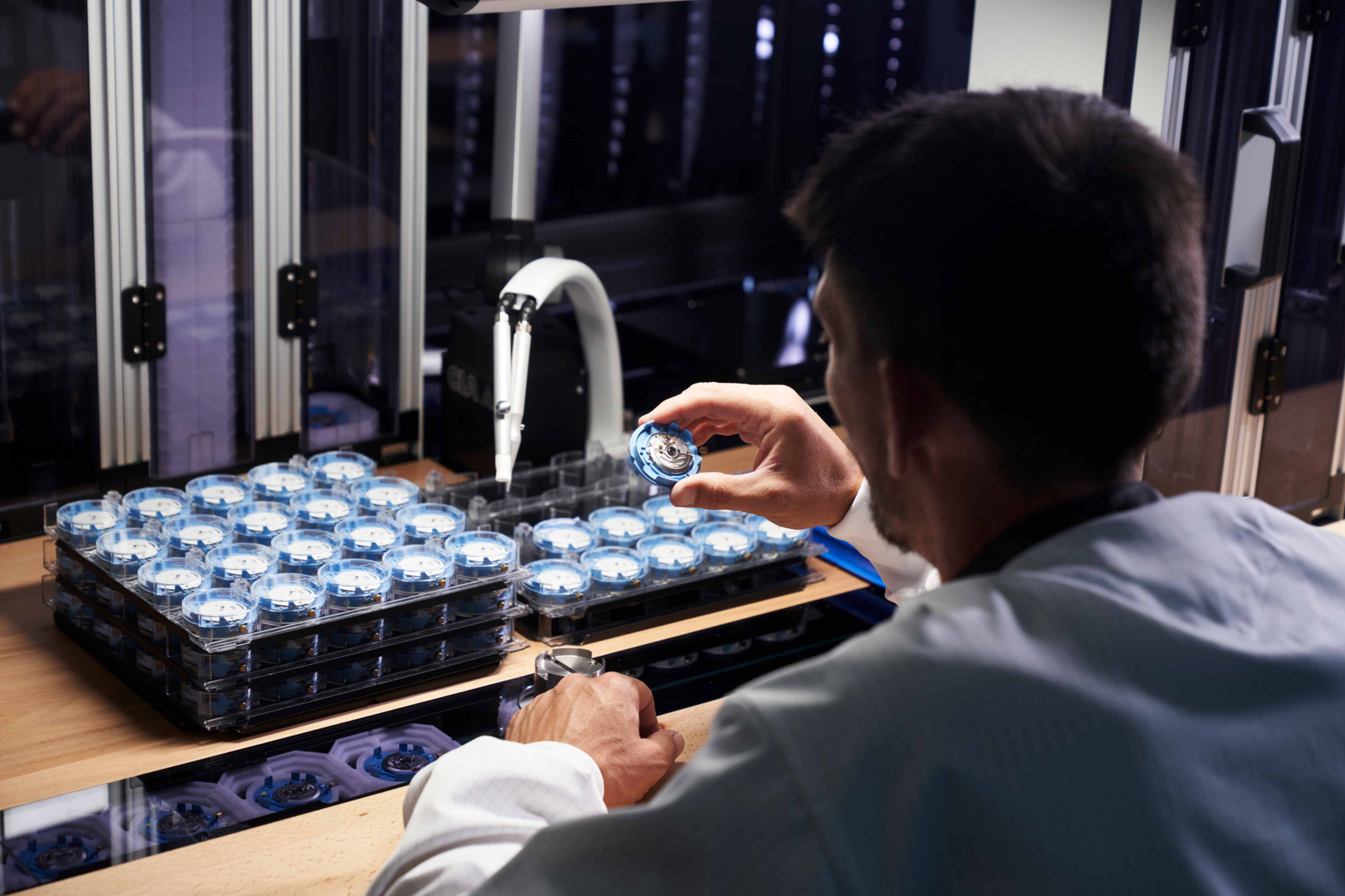
Tudor watches achieve these parameters thanks to a fully automated autonomous floor, where among the equipment on the floor—there is nearly 46 metric tons of high-tech test machinery—are robots that collect, deliver, and retrieve trays of watches for testing. Working 24/7, all year, only two people work on this floor in shifts. Watches are checked for variable temperatures and positions, there are water pressure tanks, and a permanent 15,000 gauss magnet. Bracelet fitting is the last operation and step of the assembly. Hand assembled, it in once again control checked before being sent off to the client.
Kenissi
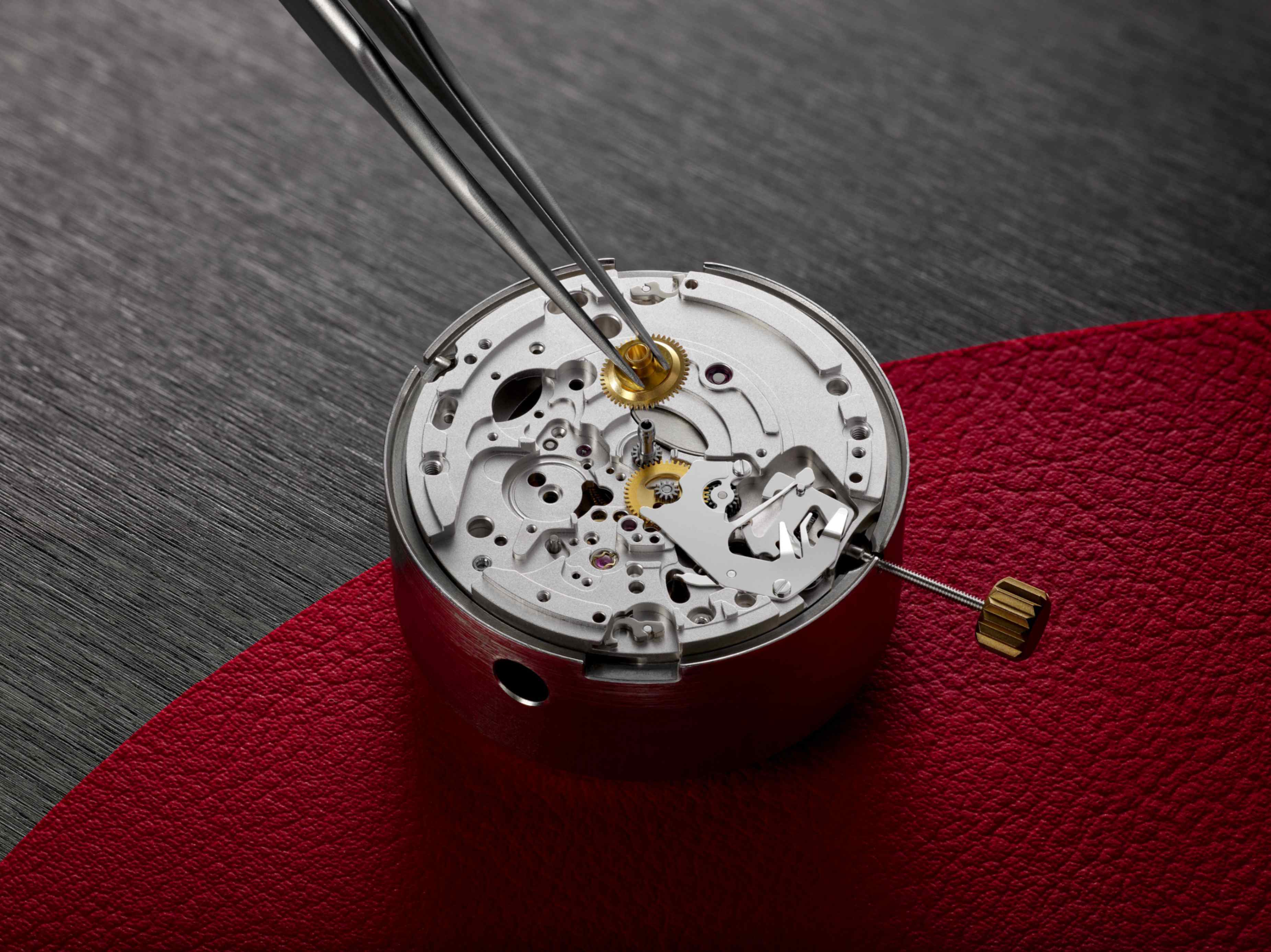
While the Tudor manufacture handles the assembly and testing of the watches, the timepieces’ beating heart is made next door at movement manufacture Kenissi. It was in 2010 that Tudor decided to develop independence in terms of movement supply, i.e., to design, industrialise, and produce its own manufacture movements. A group of experts from inside the Rolex group was created to develop the first manual movement for Tudor, called MT10 (Movement Tudor 2010), presented for the first time in 2015, in two watches, the Tudor North Flag and Pelagos.
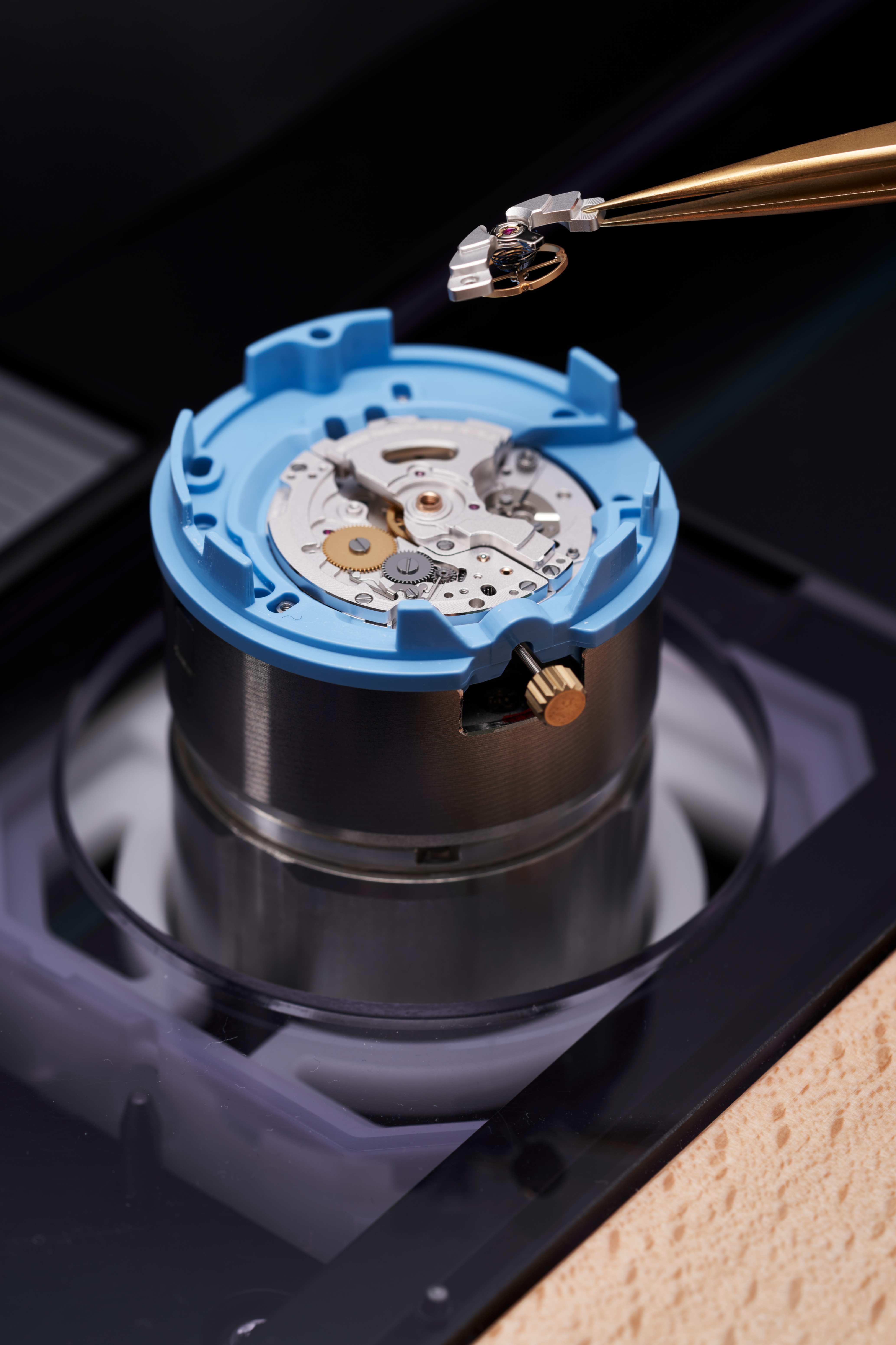
In 2016, Kenissi as a brand was created to oversee the whole process of movement development and production. Operating from various facilities in Geneva and the Jura region, and the actual construction of the building started the same time as that for the Tudor manufacture. Today, Kenissi not just develops movements for Tudor, but also has third-party clients. In 2016, it entered into a partnership with Breitling to supply movements to it and vice versa (i.e., for Tudor). And in 2018, Chanel became a co-shareholder in Kenissi. Today, Kenissi makes movements for Norqain, Fortis, TAG Heuer, Bell & Ross, and Ultramarine.
Unlike the Tudor manufacture that is highly automated and autonomous, assembly of movements at Kenissi is done 100 per cent manually. It needs to be added here that component production does not happen in Kenissi—it was decided to have external verticalisation for the brand, and so strong partnerships were established with clients in the Jura region who supply Kenissi components.
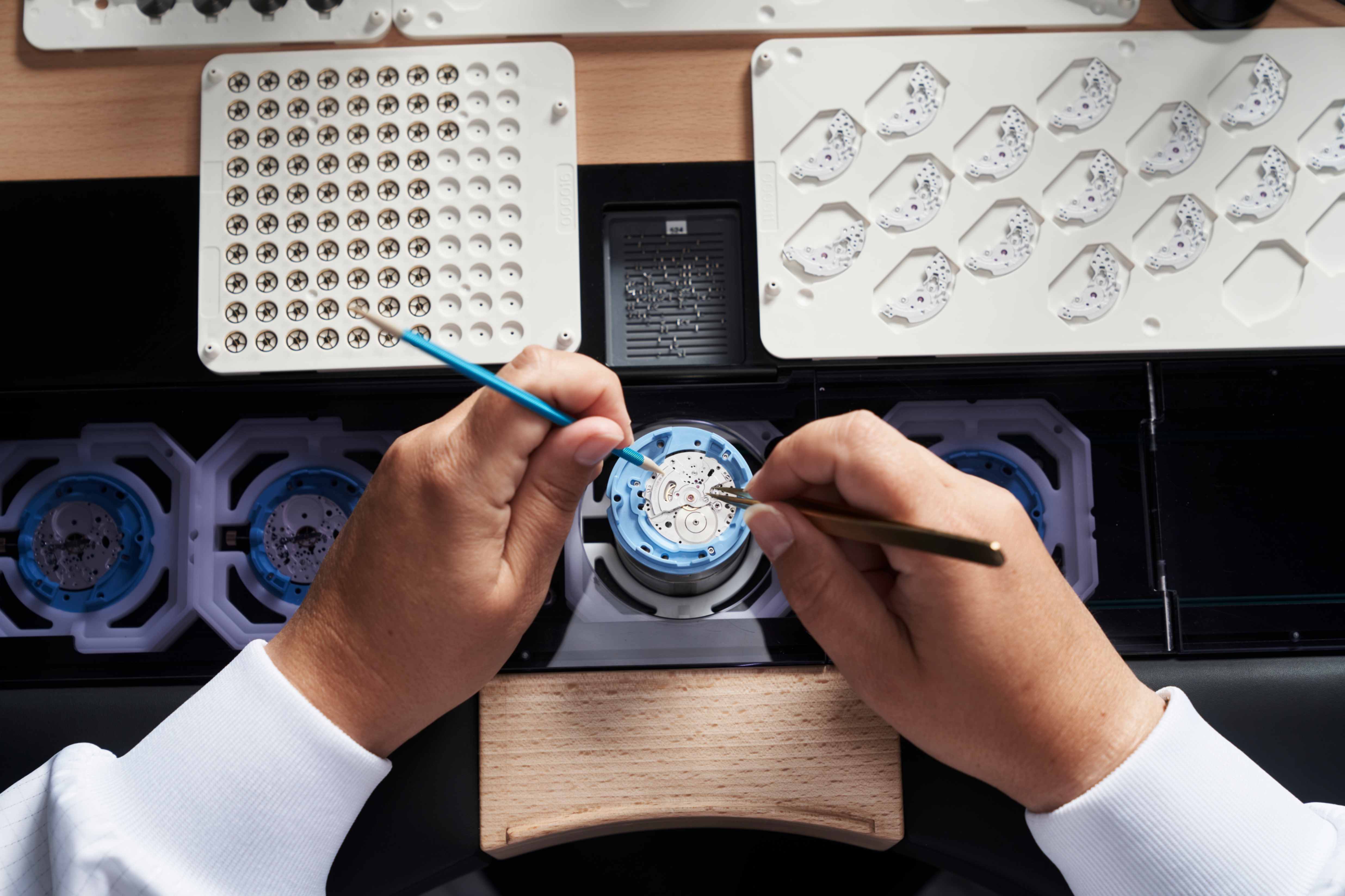
Two high-tech assembly lines, which help guarantee quality and getting the right parts at the right moment, facilitate the work for expert watchmakers at Kenissi. The assembly line entails a shuttle or transport device that moves the movement from one workstation to another. As the first step, the mainplate is mounted on a plastic insert, which is then mounted on the shuttle, which moves it to the next workstation. The plastic insert is embedded with an RFID tag, which guarantees the correct routine and order throughout the assembly process, and also helps in collecting production and assembly data.
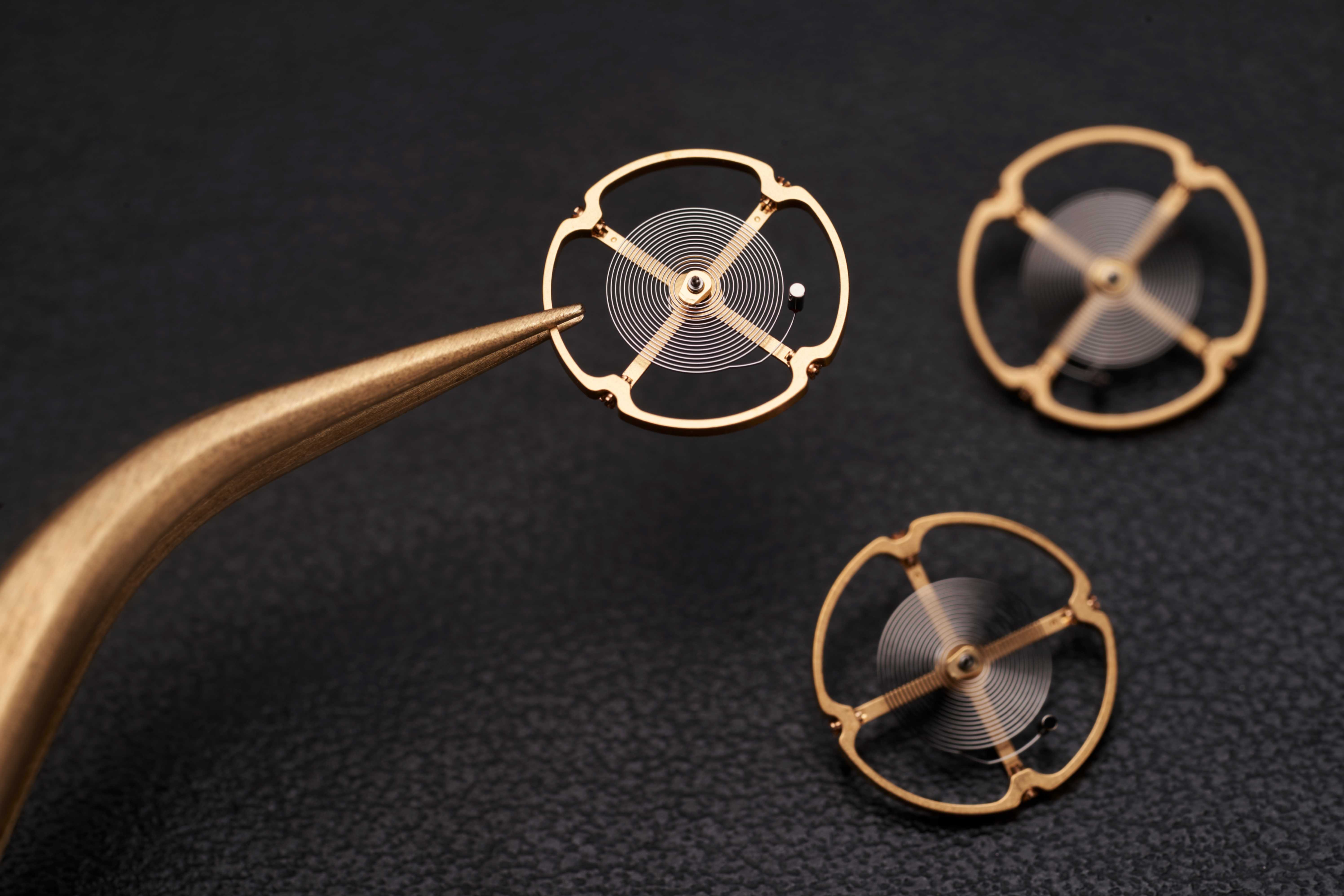
A fully assembled and tested movement is then sent for COSC certification—every movement from Kenissi is COSC certified. Using an auxiliary dial and hands, the movement leaves for three weeks to be tested at COSC. Once it returns is when the final step, consisting of placing the automatic winding system or the oscillating weight, is done. Then the auxiliary dial and hands are removed and the movement is reintegrated into the assembly line, following which the quality and functional check is once again done. (The design and material for METAS movements are different, along with the standards for development).
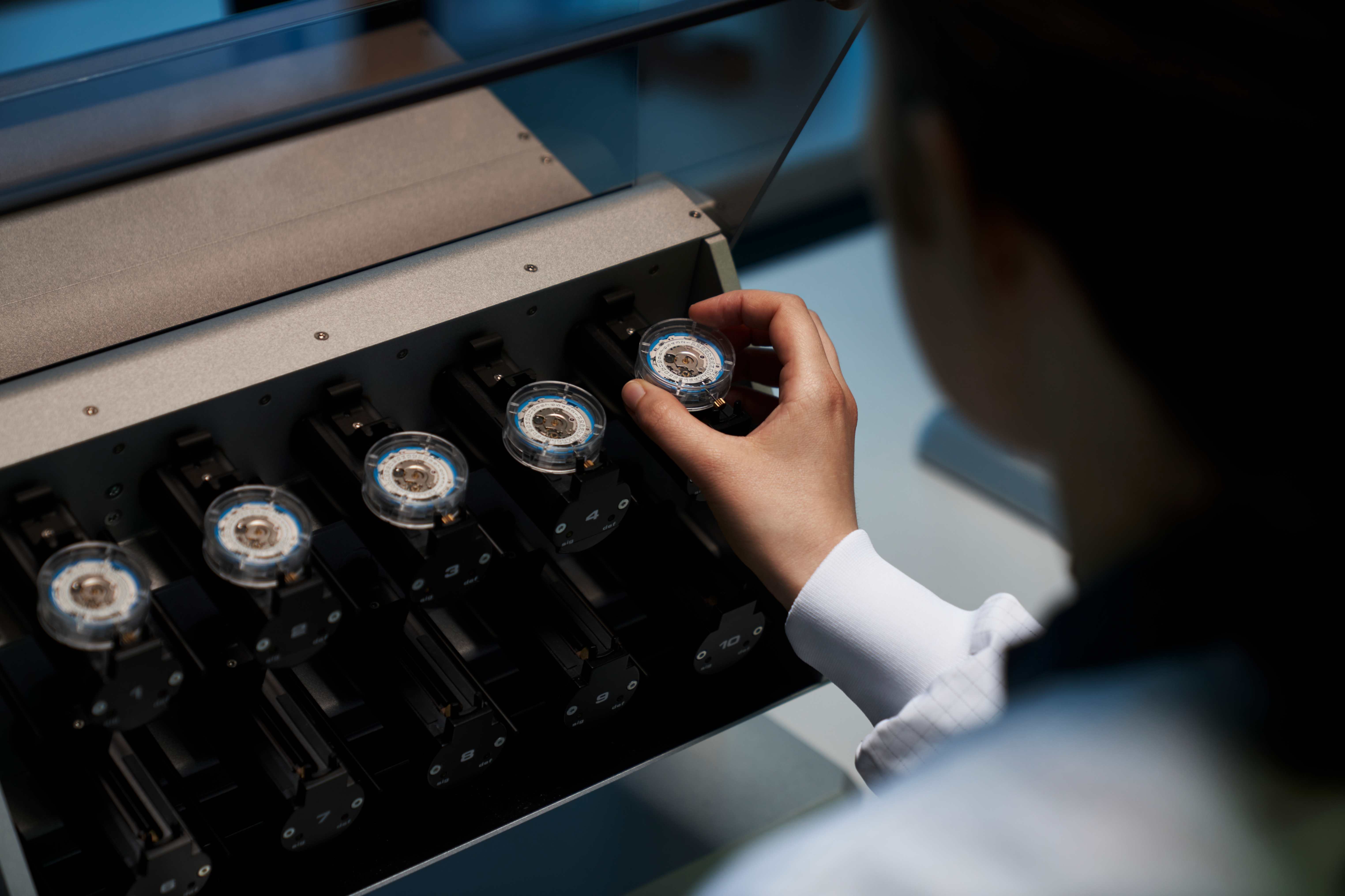
There is no doubt today that Tudor is enjoying a kind of success that is unprecedented in its history, and credit goes to how the brand has been developed over the past 15 years or so. And a strategic move like its own manufacture and movement developer signals that there’s a world of possibilities that has opened up for the brand.
Images: Courtesy Brand
This story first appeared in WatchTime India's July 2024 issue. The current July-August 2026 issue features an in-depth story that explores Tudor's component subsidiaries and independent partners. Pick up a copy at newstand near you or subscribe to a digital issue here.
Also Read :
Tudor unveils a new Black Bay Chrono 39 in bright yellow
|
Tudor continues its presence at Formula 1 season with Black Bay Chrono "Carbon 26" this year
|
Watches and Wonders 2026: Tudor unveils new Monarch, fresh Black Bay models, and redesigned Royals
More In features



Sign up for our newsletters to have the latest stories delivered to your inbox