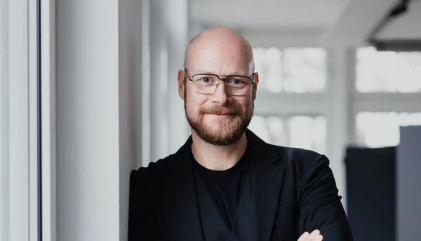

Since 2018, Jupp Philipp has been the owner and proverbial chief pilot of Fortis Watches AG in Grenchen, Switzerland. We sat down with the passionate collector-turned-CEO to talk about his goals and where he wants to take his brand next.
How big is the Fortis team?
We currently have around 25 people in the manufacture in Grenchen, and we work with a couple of freelancers, which brings us to around 35 people.
Your career started outside the watch industry. Was the transition difficult?
The transition was a bit more difficult than I had imagined, but I adapted quickly. I come from the food industry, purely B2B, and quality and efficiency are at the core of it. In the watch industry, emotions and storytelling play a huge factor on top of it.
This has to be communicated to the customer as well. So, you have to constantly factor in how our customers perceive the emotional aspect of our watches. This takes time, and its importance is often underestimated.
You also started your collecting journey with Fortis. Tell us about your collection.
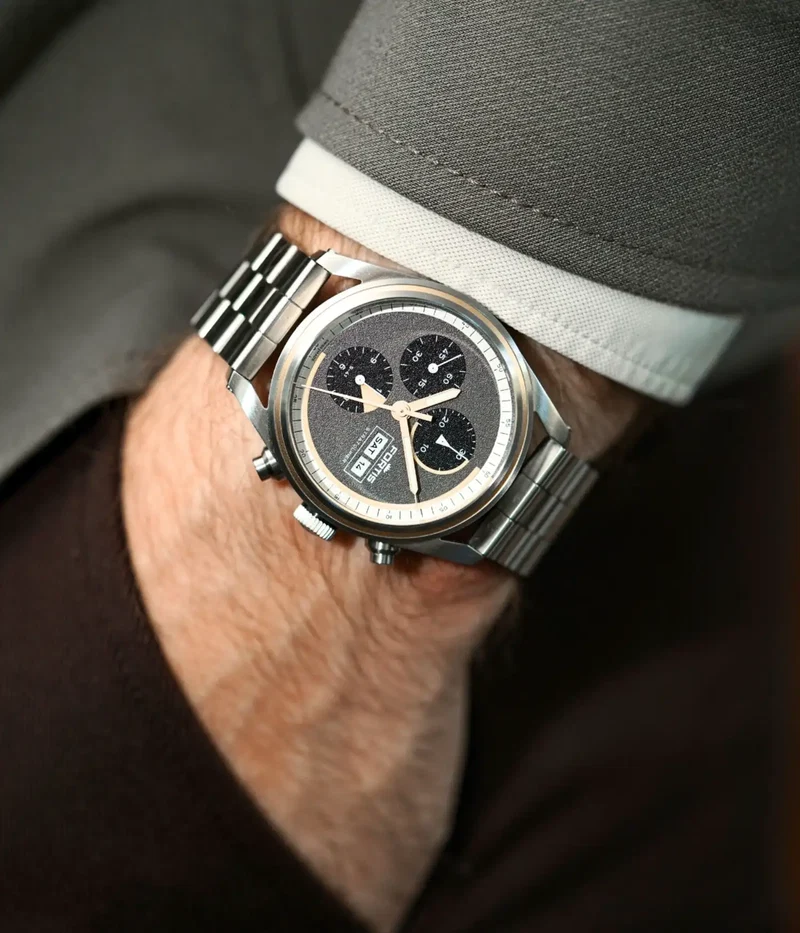
My first mechanical watch was indeed a Fortis, the Fortis Official Cosmonauts in titanium, powered by a Lemania movement. I still have it, and it gets more wrist time than any other of the approximately 100 watches that I currently own (most of them are Fortis). I don't really have a system [of collecting]; a watch has to appeal to me and tell a story. My most exceptional watch is a Freak from Ulysse Nardin-not necessarily because of the watch itself, but because of a very personal story linked to it.
You took over a brand that was struggling. How is Fortis doing today?
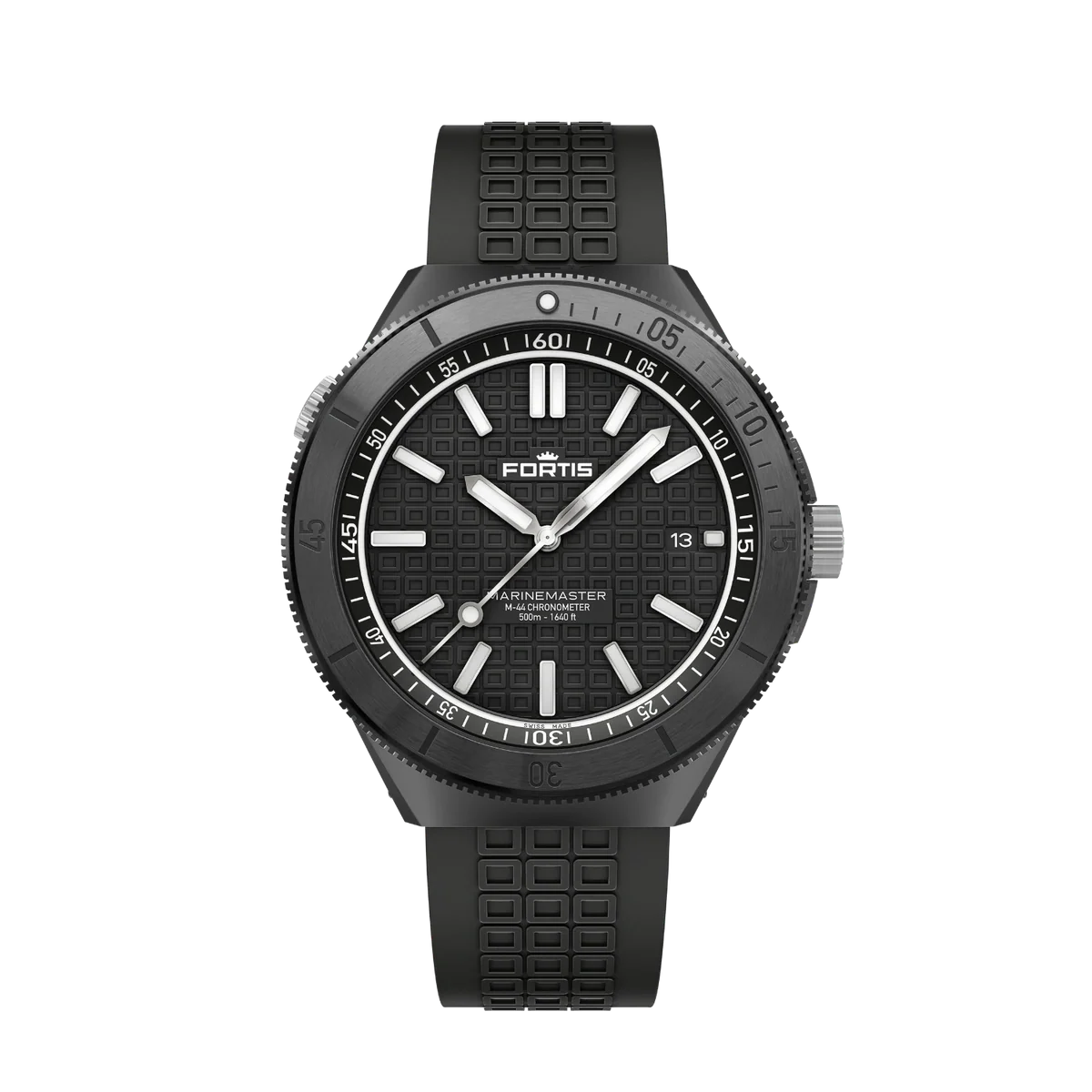
It's all going according to plan. We went from being perceived as a professional tool watch to being recognised as a space-qualified luxury watch brand that can be worn every day. As a tool watch, we were reduced to quality and function; now we can also talk about the emotional aspects. High-end, when it comes to quality and robustness, but also high-end when it comes to design and materials. Now we have to reach new audiences and markets, which means we have to expand our distribution network with the right partners. We don't want to rush things, every step has to make sense.
What impact did the partnership with Kenissi have?
I think people didn't expect this from us. Kenissi offers the best automatic movement on the market and is highly selective when it comes to choosing partners. They value long-term relationships and a company's culture. We are extremely proud to be part of this exclusive group of brands. However, we also work closely with La Joux-Perret to develop movements that can perform in space. We want to reach the next level of robustness and reliability and will therefore focus even more on high-end movements. Our clients expect a robust luxury watch they can rely on.
How much of the production is in-house today? And will this increase in the future?
Our main goal is to offer our clients the best possible watch. We have R&D, design, construction, assembly, and quality control in-house, but the individual components come from specialised partners. We don't have to make everything in-house, but we always need to be able to fully control the quality of our watches and keep the know-how here.
What was your biggest learning since you took over the business?
I had to accept that a brand's perception cannot be changed overnight. Internally, changes are implemented very quickly, but the market needs time. My biggest surprise, however, was the global watch community. I often felt like the only watch nerd among my friends, and today's watch community is extremely well connected. I cannot wait to meet fans and friends at shows and events. This alone made my investment in Fortis worthwhile.
What model are you most proud of?
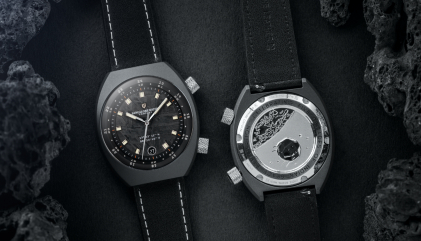
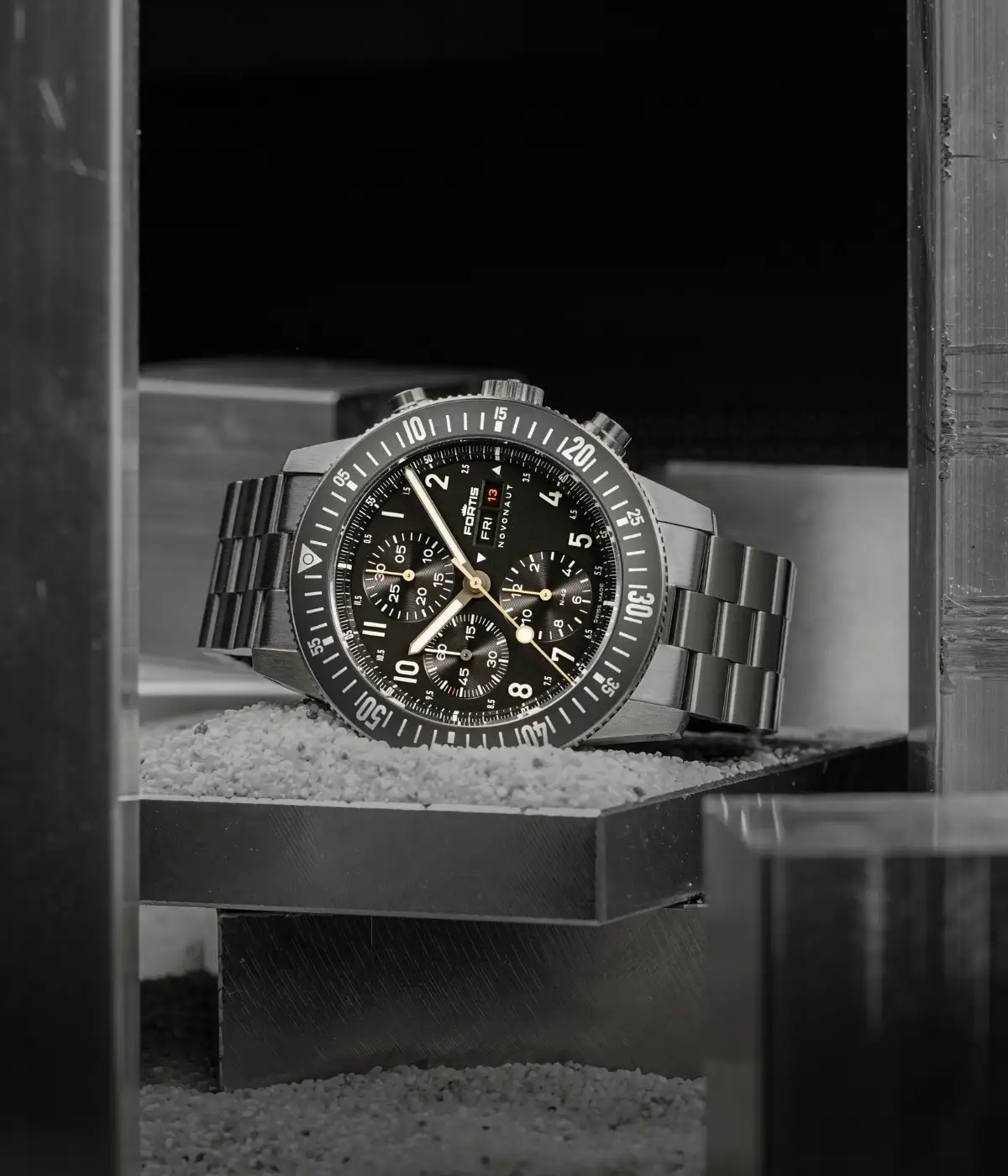
I am very proud of all our watches. We wouldn't launch a watch that we wouldn't wear ourselves. I am equally proud of my team; with every watch we were able to start from scratch and have a fresh perspective that allowed us to redefine it without being influenced externally. Our most popular model today is the Novonaut, followed by the Flieger, a watch with a long history, a unique design. Being the successor of the Official Cosmonauts, we were extra careful with the facelift. Or to quote my brother, a pilot, I didn't know you could change so much without changing the very essence of it."
One thing most people don't know about Fortis?
The historical relevance of the brand. For example, our involvement with the first automatic wristwatch in 1926 [most Harwood watches were assembled by Fortis, or the launch of the first watch made of plastic [Noryl, a 'thermo-material' resin from General Electric Plastics, decades before Swatch. And that we have been operating in the same building in Grenchen since 1912.
The biggest challenge for Fortis today?
With the resources we have, we decided to focus on our watches rather than marketing, which makes it very difficult to compete with big brands that are offering a product with the same quality. We therefore focus on educated customers who are not looking to pay a premium for the brand.
Images: Brand
Also Read :
Breguet Introduces Marine 5517 and Marine Chronographe 5527
|
Bangalore Watch Company raises US $1.4M seed funding through its own customers
|
Titan launches Automatics collection powered by Vetra [Live Pics]
More In features


Sign up for our newsletters to have the latest stories delivered to your inbox