
As we step into 2026, is the watch industry really ticking forward? Two main issues that affected luxury
watches last year were the weakening global demand, and geopolitical and economic instability. While the industry still continues to adjust to these, not everything needs to be bleak in 2026.
When it comes to buyers, what emerges now is
not a reset, but a refinement. In India, in particular, a
new generation of collectors—well-informed, globally
aware, and digitally fluent—is reshaping demand.
They are drawn to storytelling, craftsmanship, and
long-term value. This in turn creates space for
modern Indian voices to enter the conversation with
confidence.
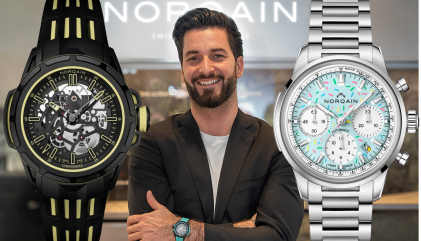
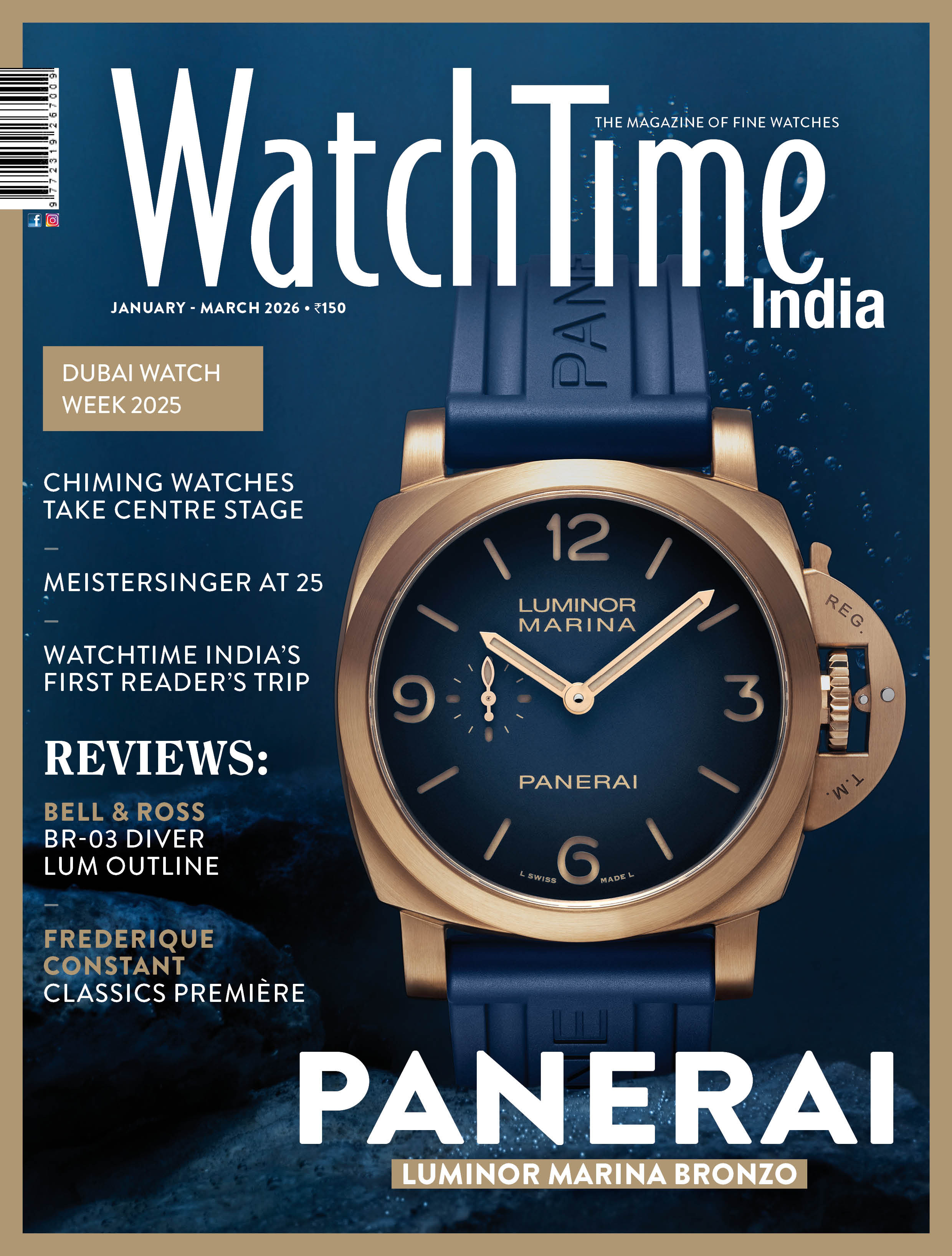
This was particularly evident when we started to
put together WatchTime India’s first Reader’s Trip.
The concept focuses on giving watch collectors and
aficionados a much deeper, personal experience of
luxury watchmaking. In its first edition, WatchTime
India collaborated with Dubai Watch Week 2025 and
hosted four collectors from India at the event.
Exclusive product presentations, conversations with
CEOs and creative heads, hand’s on watchmaking
masterclasses and more were a part of the itinerary.
The two-days-long visit highlighted how keenly
Indian collectors are looking at haute horology. Read
about it in-depth in ‘Stepping Ahead’, P. 26.
Another thing that is becoming more and more
clear in watchmaking today is that watches are no
longer competing for attention through excess.
Instead, they are earning it through intent. In 2026 we see brands doubling down on clarity—of design
language, of purpose, and of audience. Whether
mechanical or electronic, entry-level or haute
horlogerie, the most compelling watches are those that
know exactly why they exist.
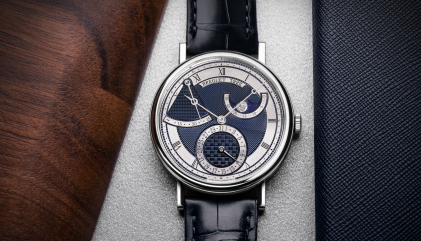
Technology influences this in a big way. Materials
science and precision manufacturing are quietly
redefining what’s possible, even in traditional
mechanical watchmaking. Rolex’s Dynapulse
escapement, TAG Heuer’s Carbonspring, and Breguet’s
10 Hz high-frequency tourbillon with a constant-force
magnetic escapement are just some innovations that
are setting the tone of the industry. Closer home, Titan
unveiled its first-ever wandering hours complication
(‘Wheels in Motion’, P. 46). And to read about how
three brands are innovating with chiming watches,
turn to P. 62 for the story ‘Greatest Hits’.
In WatchTime India’s first issue of 2026, we also
explore these shifts through conversations with
watchmakers, collectors, and industry leaders who are
shaping what comes next. We look at the watches that
matter—not because they chase trends, but because
they set a tone for the future.
If there is one takeaway for 2026, it is this:
Timepieces are once again being chosen slowly, worn
personally, and valued deeply. In an age defined by
speed, the watch industry’s greatest strength may be its
willingness to move with patience.
Here’s hoping for a year that rewards discernment,
celebrates craft, and reminds us why we fell in love
with watches in the first place.
Images: Courtesy brands
Also Read :
Watches and Wonders 2025: Panerai Unveils New Luminor Marina Collection and Perpetual Calendar GMT
|
Panerai introduces a new bracelet in six novelties joining the Luminor and Luminor Due collections
|
Panerai strengthens its Navy Seals collection with four new exclusive models
More In news


Sign up for our newsletters to have the latest stories delivered to your inbox