
As with each year, 2025, too, proved that the art of watchmaking remains resilient. The industry continued to assert the value of mechanical ingenuity, thoughtful design, and material experimentation. From high-complication movements that pushed the boundaries of precision, to novel case materials and refined manufacturing techniques, innovation remained at the forefront. Equally compelling was the renewed emphasis on design—whether through sculptural case architecture, expressive dials, or subtle reinterpretations of heritage codes. Together, these technical, material, and design-led advancements shaped a year that celebrated both progress and tradition, with a select group of timepieces standing out for their ability to capture the spirit of contemporary watchmaking while leaving a lasting impression. Here’s our best picks…
Technical innovations
Bvlgari
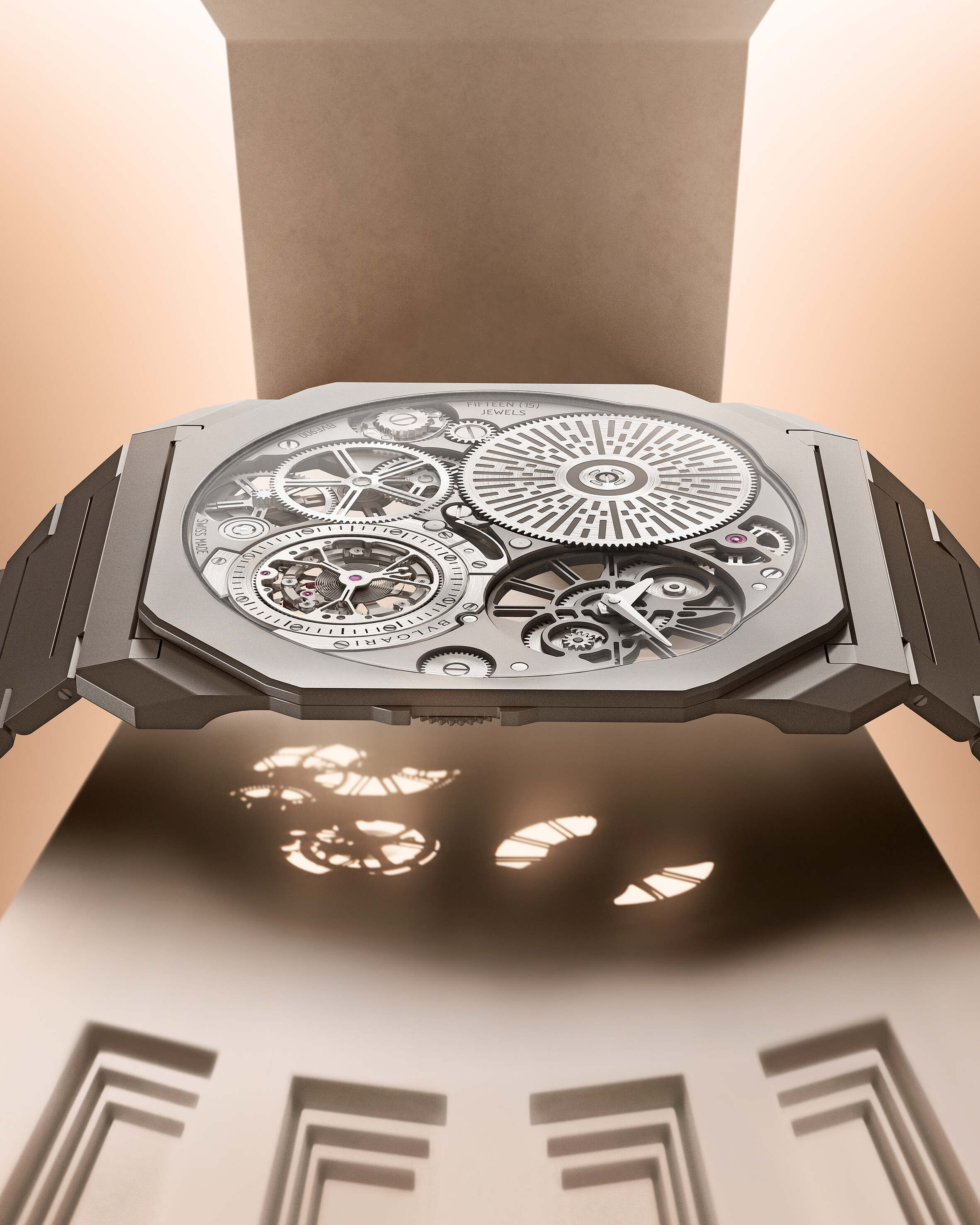
Bvlgari launched the thinnest tourbillon watch, the Octo Finissimo Ultra Tourbillon, just 1.85mm thick. Instead of having separate movement plates, bridges, and caseback layered, Bvlgari used a single tungsten carbide main plate that doubled as the caseback. Tungsten carbide is a material that’s strong and rigid even at very thin dimensions. The hour and minute displays are brought together in one dial, reducing extra parts. Instead of a traditional crown extending out, there are two flat crowns on each side of the case: one for winding (at 8 o’clock) and one for setting time (at 3 o’clock), saving vertical space. It is powered by Calibre BVF 900, offering a power reserve of 42 hours.
Rolex
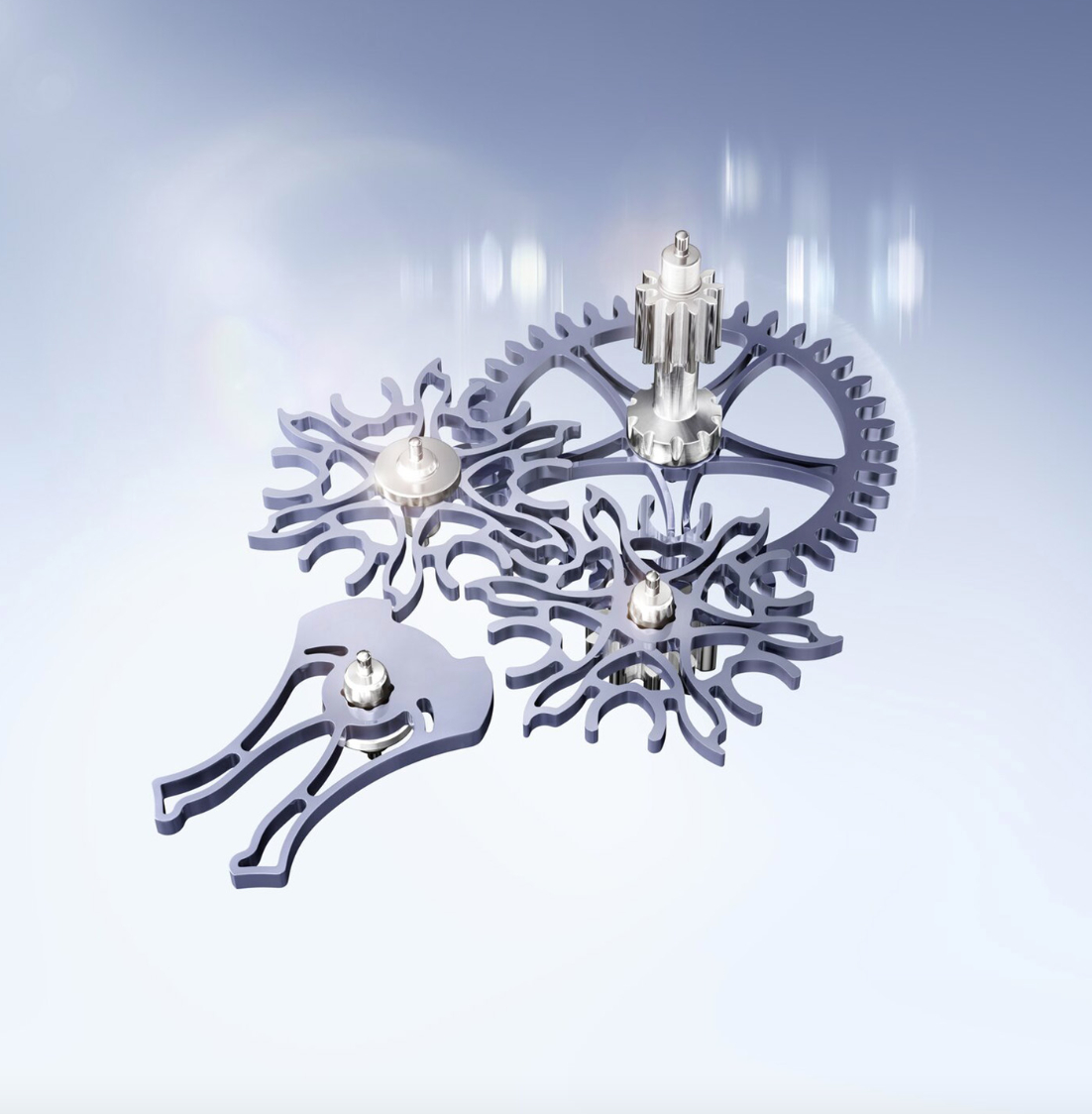
Rolex introduced Dynapulse escapement this year with the Caliber 7135 powering the latest Land-Dweller, marking a significant advancement in mechanical watch technology. The dual escape wheel system incorporated with a silicon hairspring and escape wheels, and a ceramic balance staff, contribute to the escapement's durability and performance. Overall, the escapement is approximately 30 per cent more energy-efficient than the traditional Swiss lever escapement, offering a 66-hour power reserve, and frequency of 5 Hz.
TAG Heuer
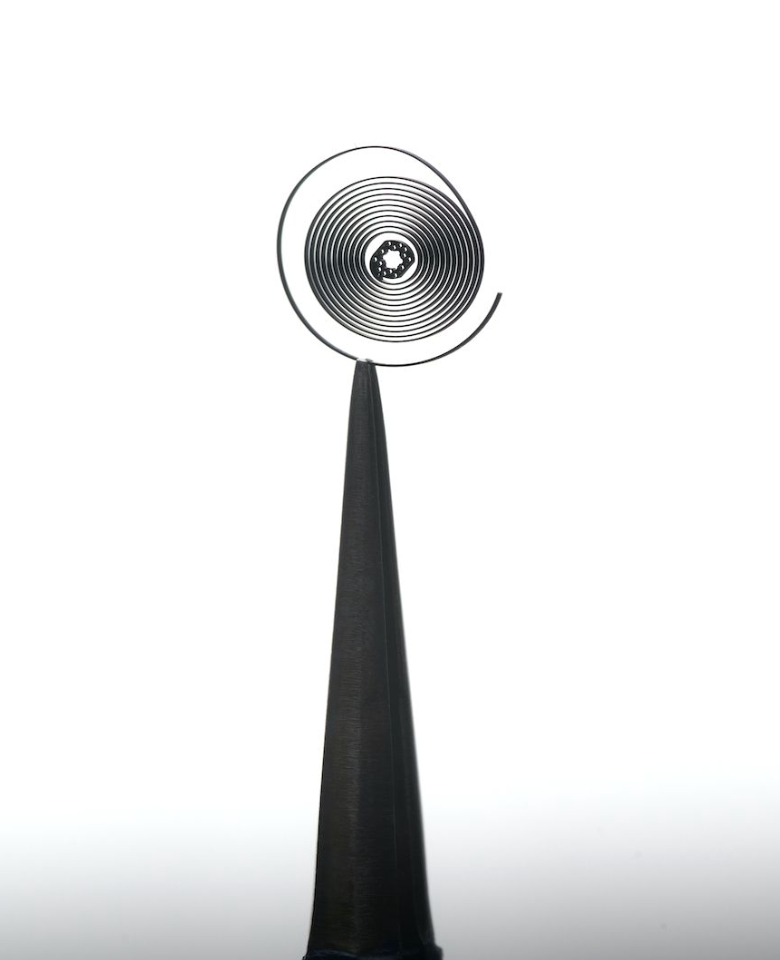
TAG Heuer developed TH-Carbonspring, a groundbreaking carbon composite hairspring developed entirely in-house over nearly a decade. Produced using a Chemical Vapor Deposition (CVD) technique, where hydrocarbon gases are decomposed at temperatures between 600–850°C, this process cultivates carbon nanotubes on a silicon wafer, forming a dense, homogenous spiral structure.
Grand Seiko
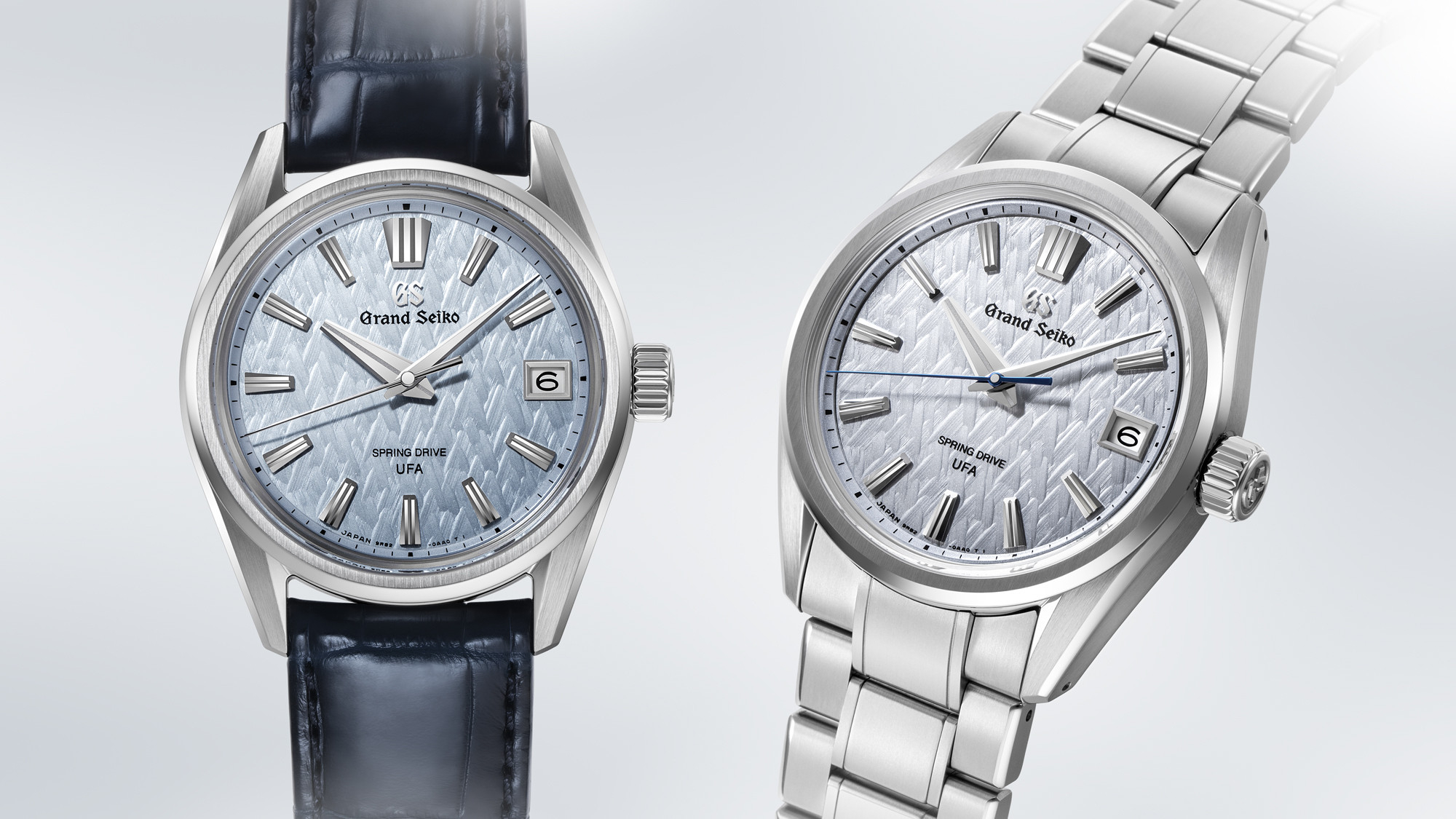
Grand Seiko UFA, the 37mm platinum and titanium models, offer a new Caliber 9RB2, the most accurate Spring Drive movement ever produced, achieved through the processing of the quartz oscillator and IC, with the entire system vacuum-sealed for protection against external factors. The letters ‘UFA’ stand for ‘Ultra Fine Accuracy’ and refer to the movement's precision of ±20 seconds per year. It also features a regulation switch for fine adjustments during servicing, a first for a Spring Drive movement.
Vacheron Constantin
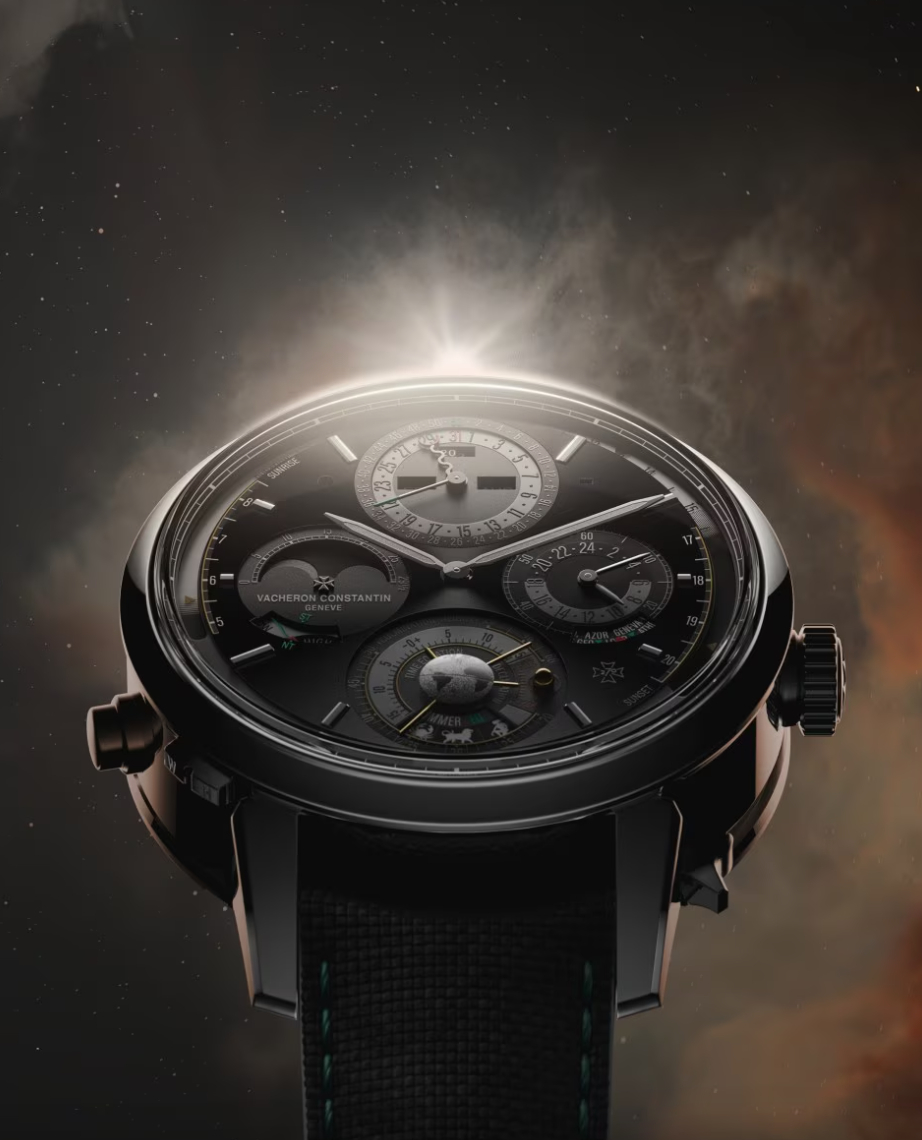
Vacheron Constantin released Solaria Ultra Grande Complication La Première—the most complicated wristwatch ever conceived. It unites 41 complications, among them five exceptionally rare astronomical functions and a groundbreaking Westminster minute repeater. Comprising 1,521 components, this one-of-a-kind creation is the culmination of eight years of development and has resulted in 13 patent filings. Its case measures 45mm in diameter with a height of only 14.99mm.
Audemars Piguet
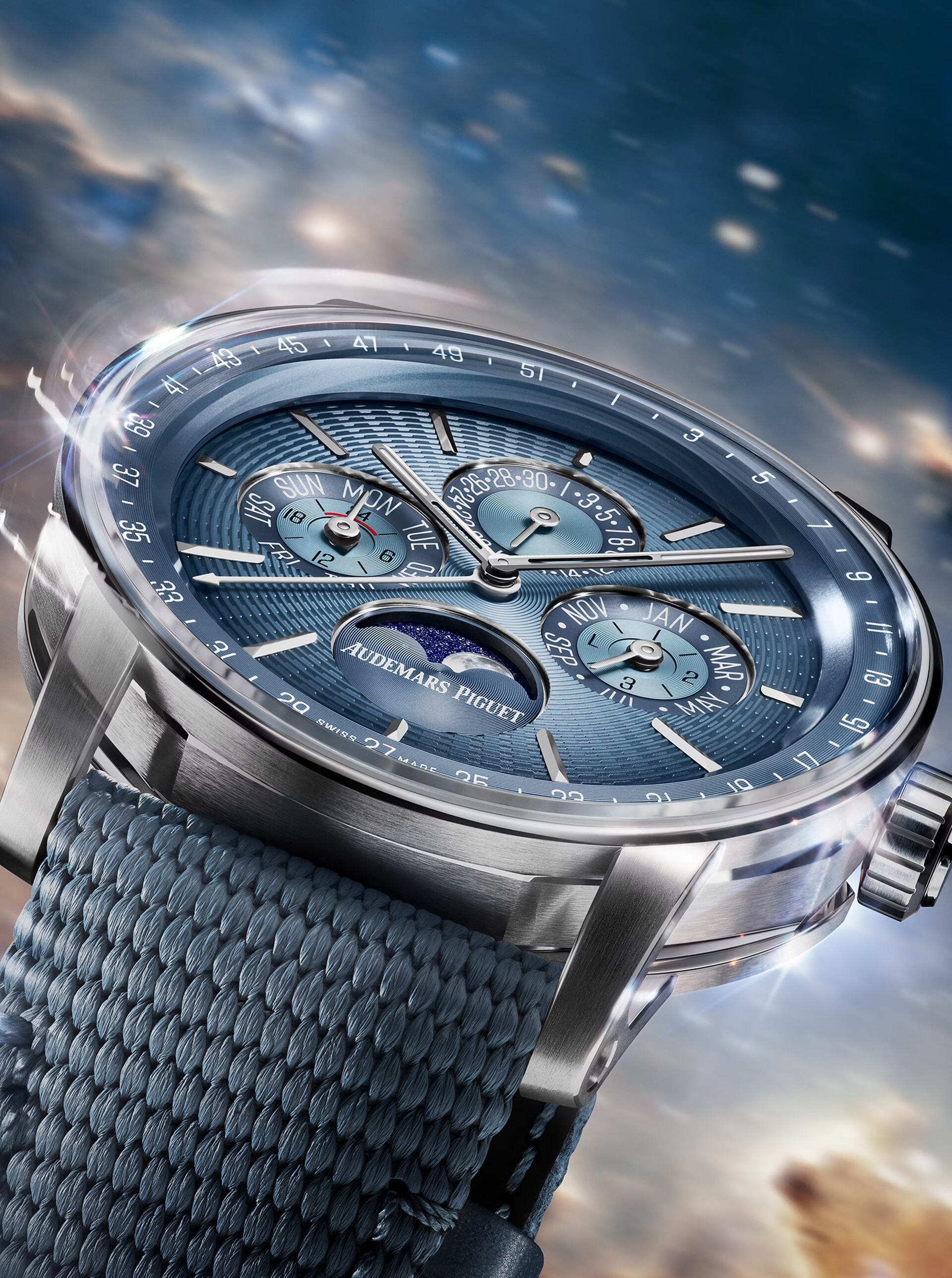
Audemars Piguet released Perpetual Calendar models for the brand's 150th anniversary with the Calibre 7138, a completely new movement for Audemars Piguet. It was developed over five years and featured an ‘All-in-one’ crown that offers complete control over the movement's perpetual calendar functions: Neutral position winds the watch, upon pulling once; turning the crown clockwise sets the date, while counter-clockwise sets the month and leap year. Pulling the crown fully sets the time, and upon pushing back one notch, clockwise setting sets the day and week, while counter-clockwise sets the astronomical moon.
Panerai
Unveiled at Watches and Wonders 2025, the latest Luminor Marina collection marks a major technical leap forward for Panerai. For the first time, the Luminor Marina achieves a water resistance of 50 BAR (~500m), a record standard for the collection. At its heart is the new P.980 calibre, an automatic movement with a three-day power reserve and a traversing balance bridge that enhances both stability and accuracy. The calibre also incorporates a stop-second mechanism, halting the seconds hand when the crown lever is engaged to allow for precise time-setting.

Historic redesign
King Seiko
Seiko has revived one of its most vibrant chapters with the return of the King Seiko VANAC line in 2025, more than 50 years after its debut in 1972. The new VANAC watches embody the bold spirit of the 1970s with faceted cases and vivid dials—the original models were designed for a new generation of fashion-conscious collectors and stood out with their colourful aesthetics, faceted crystals, Hi-Beat movements, and integrated metal bracelets. Each of the four watches introduced take inspiration from Tokyo, the birthplace of King Seiko, interpreting the city’s horizon at different times of day. Leading the collection is the SLA083, featuring a deep purple dial textured with horizontal stripes and framed by golden dodecagonal details. Bold pentagon-shaped indexes, a signature ‘V’ motif at 12 o’clock, and LumiBrite-filled gold hands give the watch a dynamic presence. Measuring 41mm in stainless steel, the sharply angular case features distortion-free polished finishes, which extend to the faceted-link integrated bracelet. Powering these watches is the Caliber 8L45, visible for the first time in King Seiko through a sapphire caseback. With 72 hours of power reserve, +10/-5 seconds daily accuracy, and refined wave-pattern finishing, it unites performance with elegance. Alongside the purple edition, the collection includes SLA085 (navy), SLA087 (silver), SLA089 Limited Edition (gold, 700 pieces), and the boutique-exclusive SLA091 (ice-blue).

Urban Jürgensen
The brand Urban Jürgensen finds a new lease of life under the guidance of co-CEO and master watchmaker Kari Voutilainen. The brand has been resuscitated with three new watches: The anniversary UJ-1, the three-hand UJ-2, and the perpetual calendar UJ-3. The UJ-1 miniaturises the constant-force, flying tourbillon of the brand's iconic Pratt Oval Pocket Watch into a wristwatch, a feat once deemed impossible, while the UJ-2 and UJ-3 feature a technically pure, double-wheel natural escapement for enhanced efficiency. Each piece boasts impeccable artistic details, including intricately hand-guillochéd sterling silver dials, redesigned teardrop lugs, and decorated movements.

Bvlgari Serpenti Aeterna
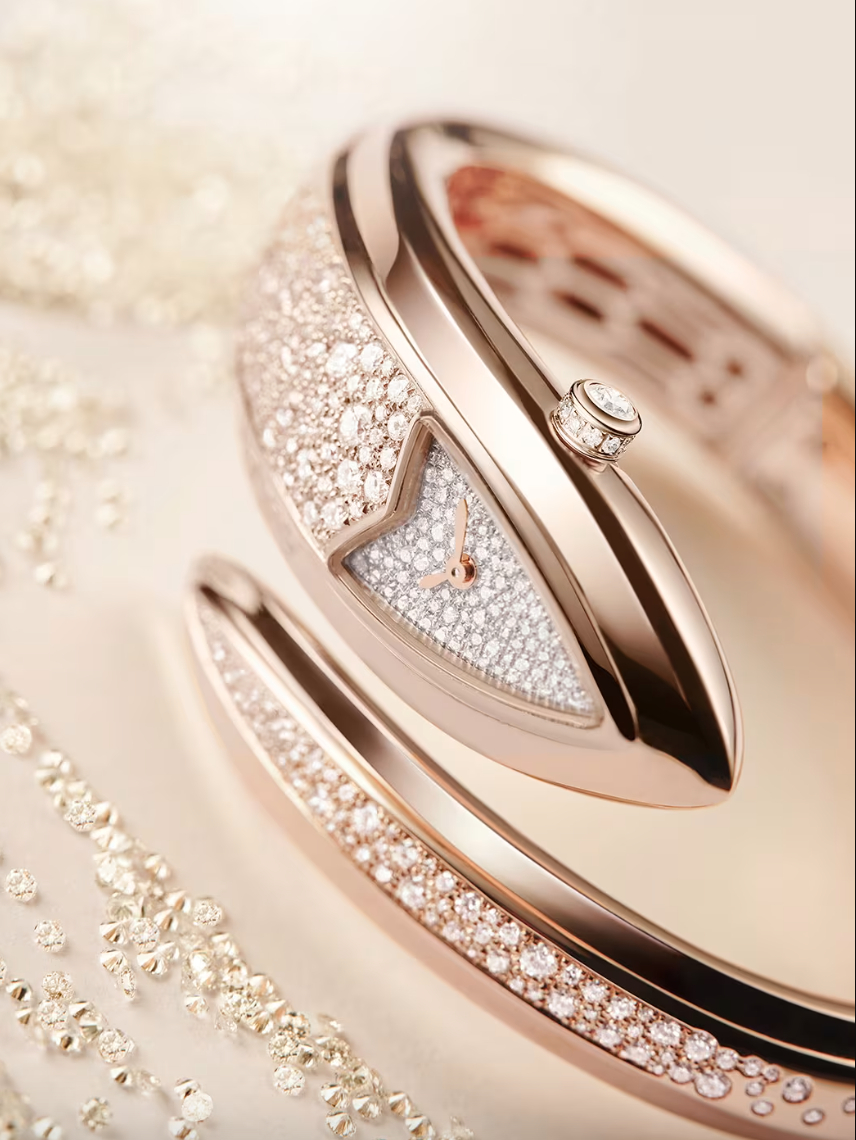
Bvlgari redesigned the iconic Serpenti watch this year, making it the most dramatic redesign ever of the Serpenti. Designer Fabrizio Buonamassa Stigliani created an avant-garde bangle that strips away traditional snake features, such as eyes and external scales, to focus on the serpent's pure, fluid form. The watch is now a tapered, angular, and elliptic bangle that softly wraps the wrist, with scales subtly etched into the inner contour. The white-gold (Ref. 104041) comes in a single 155mm size with green hands, while the pink-gold version features rose-gold hands and is offered in 145mm (Ref. 104205) and 155mm (Ref. 104280). They are also available in colourful gem-set models: Ref. 104265 comes decked with emeralds of varying size and hues, while Ref. 104266 comes with sapphires. Dials of both watches are also set with 107 diamonds.
Cartier
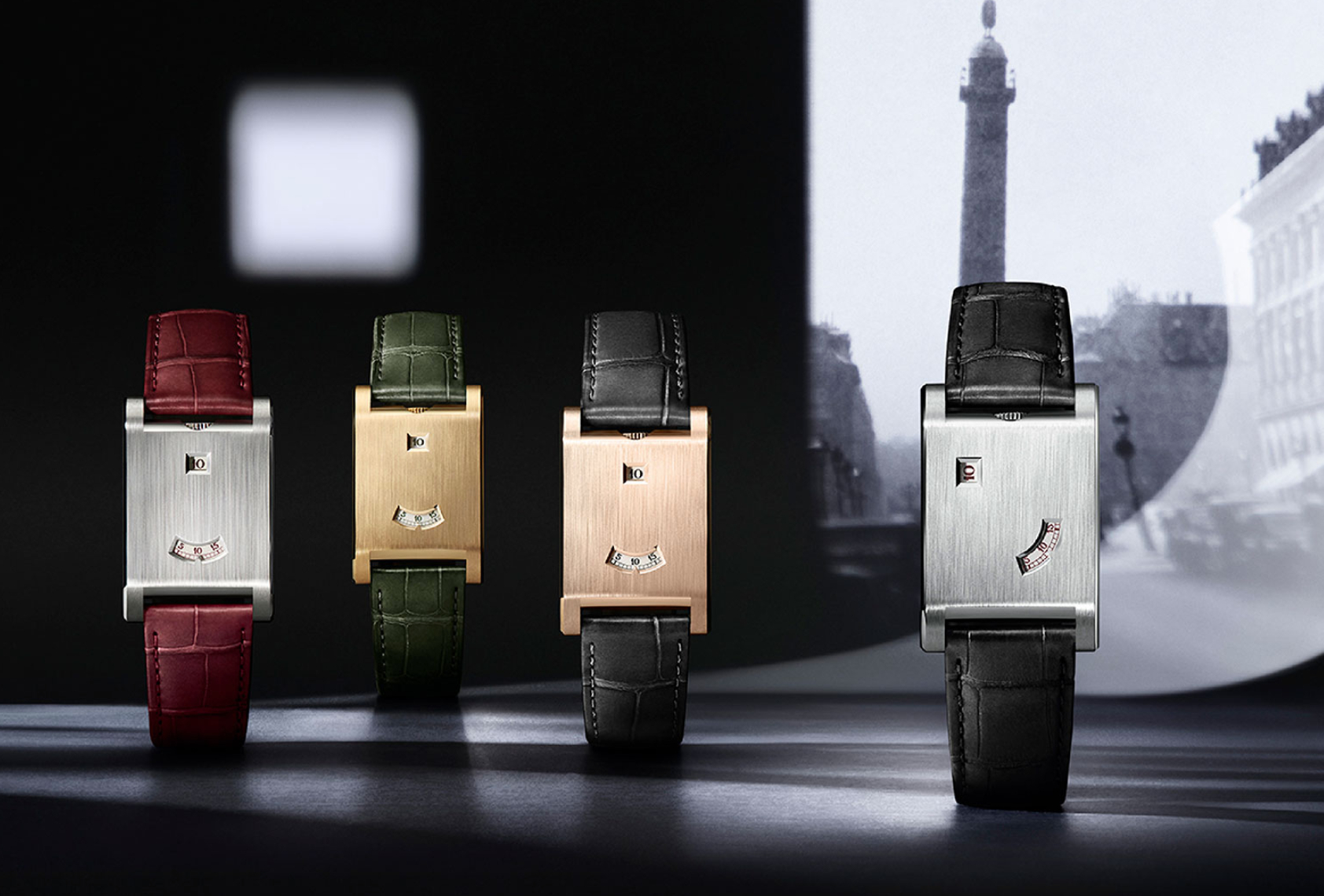
Cartier brought forth the Tank à Guichet model this year, a revival of the original 1928 models, while incorporating modern refinements and a newly developed caliber. Just like in the original models, the winding crown is positioned at 12 o'clock, but the watches are powered by the hand-wound 9755 MC caliber, a manufacture movement created specifically for this timepiece.
Zenith
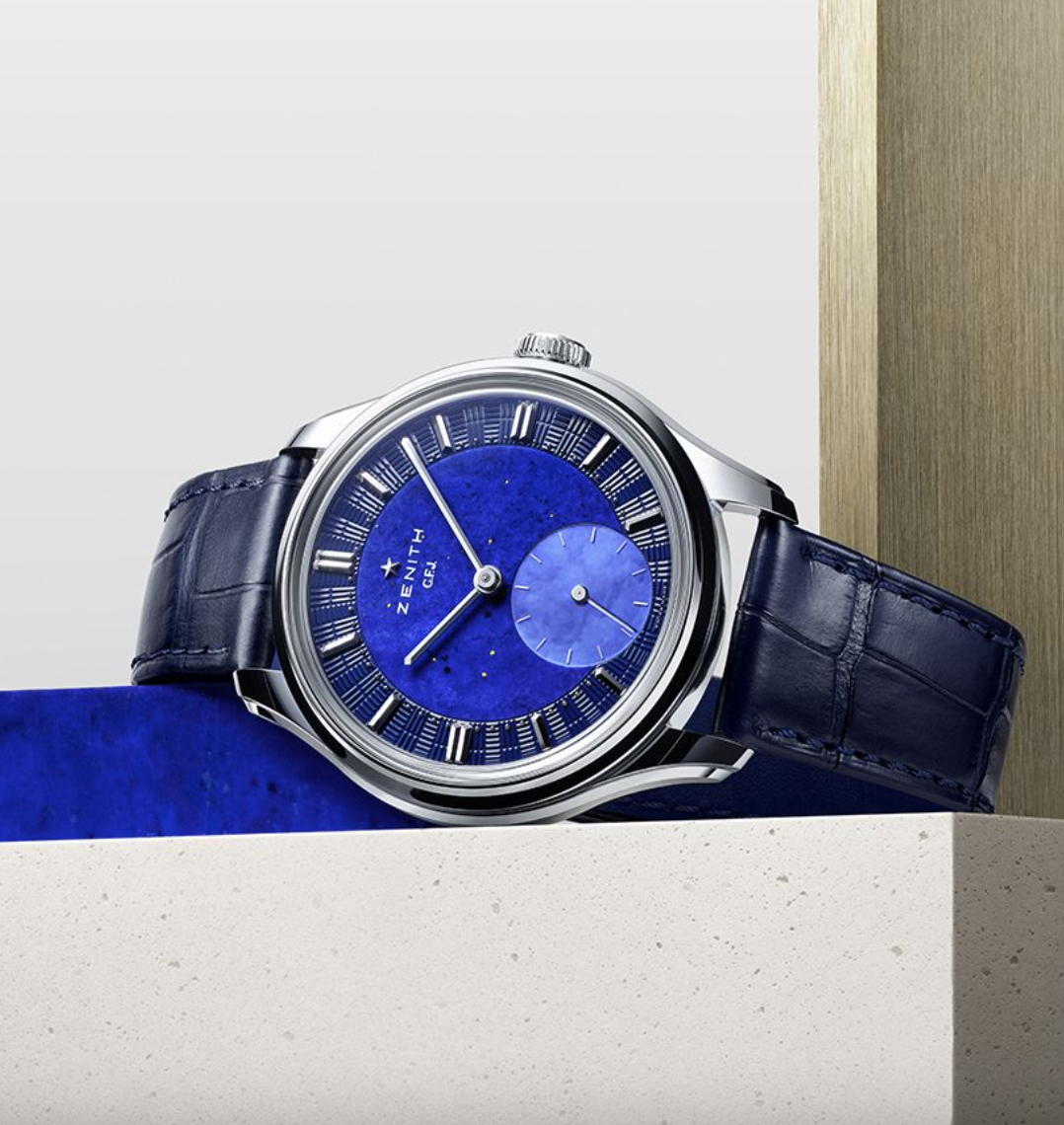
Zenith revived and recreated the Calibre 135, the most awarded movement from the golden age of observatory chronometer competitions (which began in the 1860s and concluded nearly a century later), in the latest G.F.J. (Georges Favre-Jacot) watch. With modern improvements in the movement, the power reserve has been extended from 40 to 72 hours, a stop-seconds (or hacking seconds) mechanism has been added for precise time-setting, and modern shock protection has been integrated. It is housed in the slender 39mm platinum round case featuring a stepped bezel and curved stepped lugs. Its three-part blue dial combines a brick guilloche pattern, lapis lazuli and mother-of-pearl.
Material innovation
Hublot
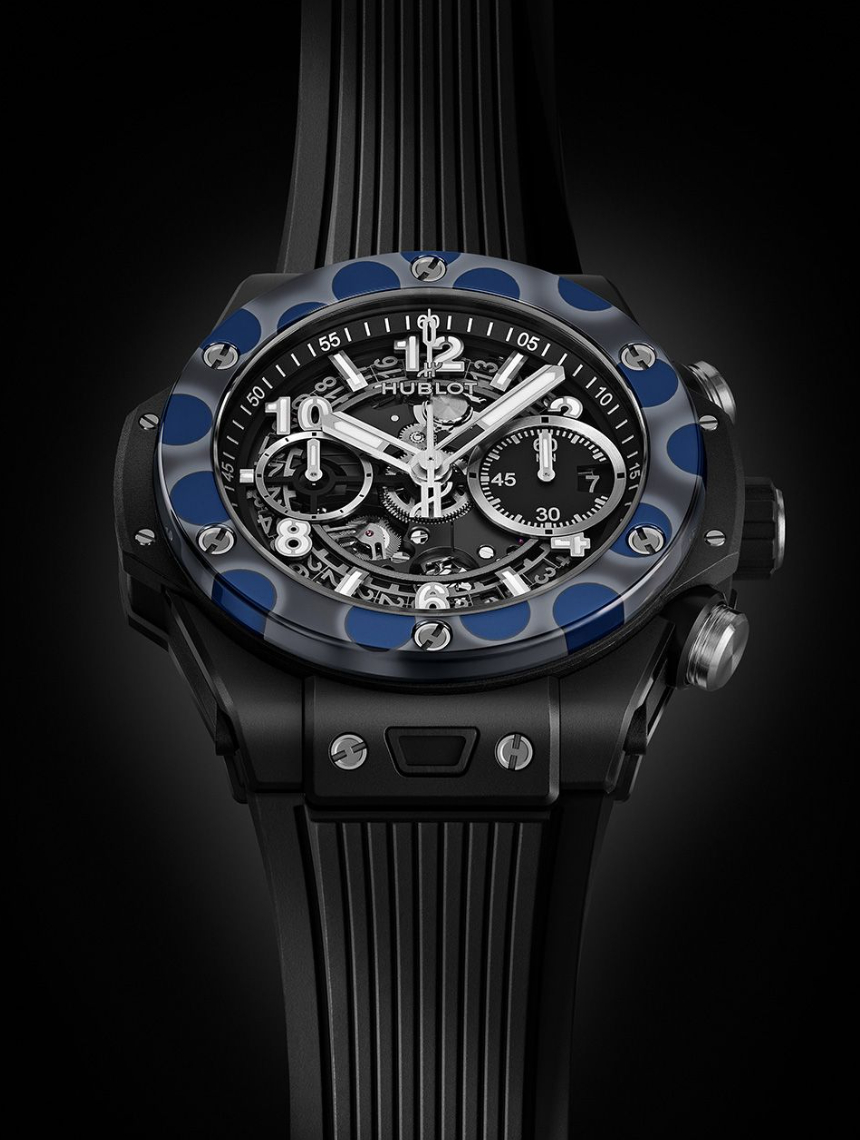
The Big Bang Unico Magic Ceramic is the world's first watch to feature multicolored ceramic—a polished, dark grey ceramic bezel with vivid twilight blue circles that give the watch an abstract or pop-art aesthetic. Developed over four years, this 42mm watch is limited to 20 pieces. It is powered by the automatic HUB1280 UNICO offering a 72-hour power reserve.
Ulysse Nardin
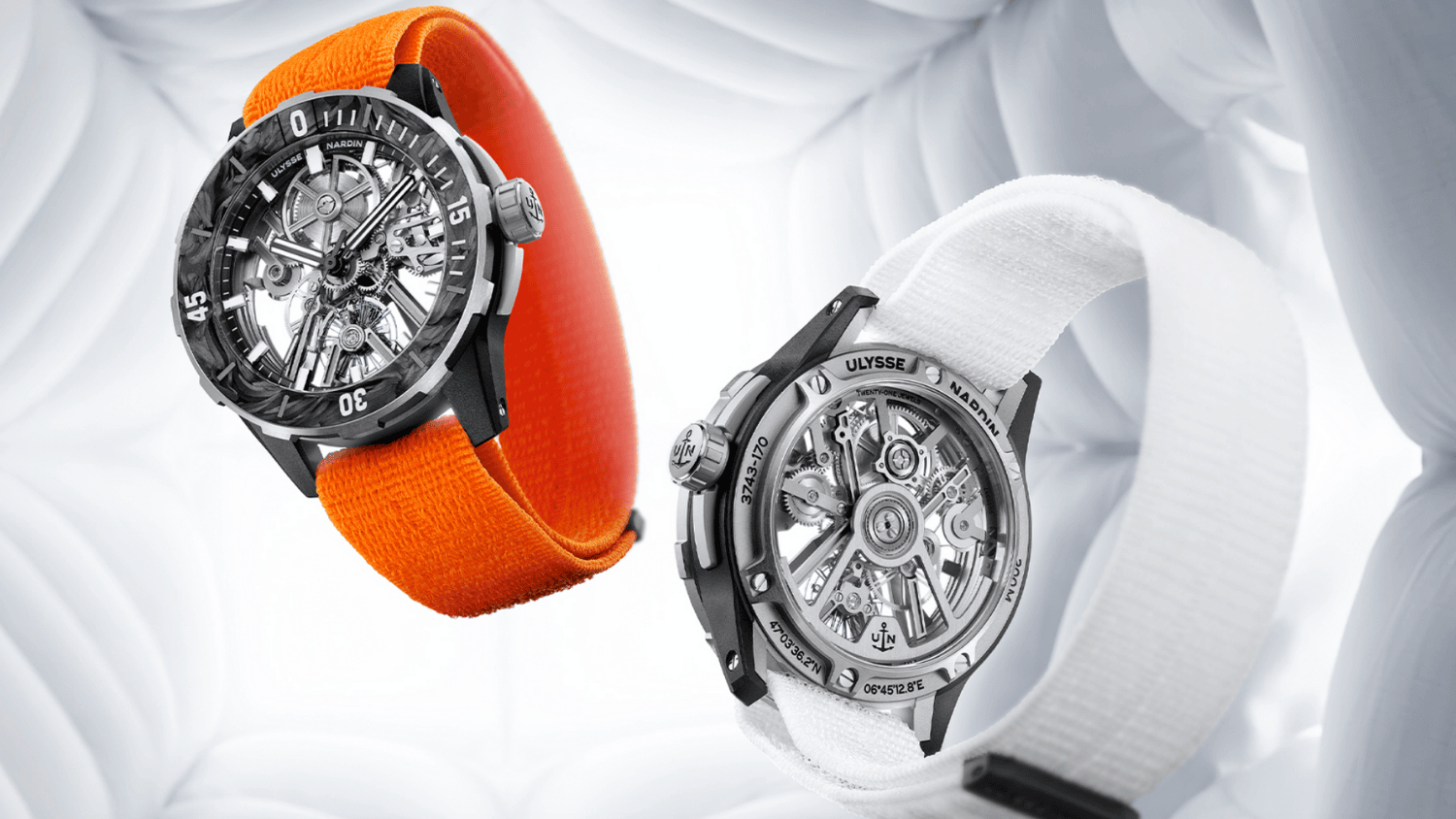
Ulysse Nardin created the lightest mechanical dive watch ever, the Diver [AIR]. It weighs only 52 grams, including the strap, while maintaining a 200m water resistance and exceptional shock protection of 5,000 Gs. The Diver [AIR] achieves extreme lightness through a complete redesign of the movement and the case without sacrificing durability. Its new UN-374 calibre, weighing just 7 grams, is 80 per cent air yet withstands shocks up to 5,000G thanks to skeletonised triangular bridges. Made with 90 per cent recycled titanium from the Swiss biomedical industry, the 44mm case combines Nylo®-Foil (recycled fishing nets and carbon fibre) with a CarbonFoil bezel of upcycled sailing boat fibres. Despite its weight reduction, the automatic movement delivers a 90-hour reserve, uses an antimagnetic silicon escapement from upcycled wafers, and ensures 200m water resistance.
Tissot
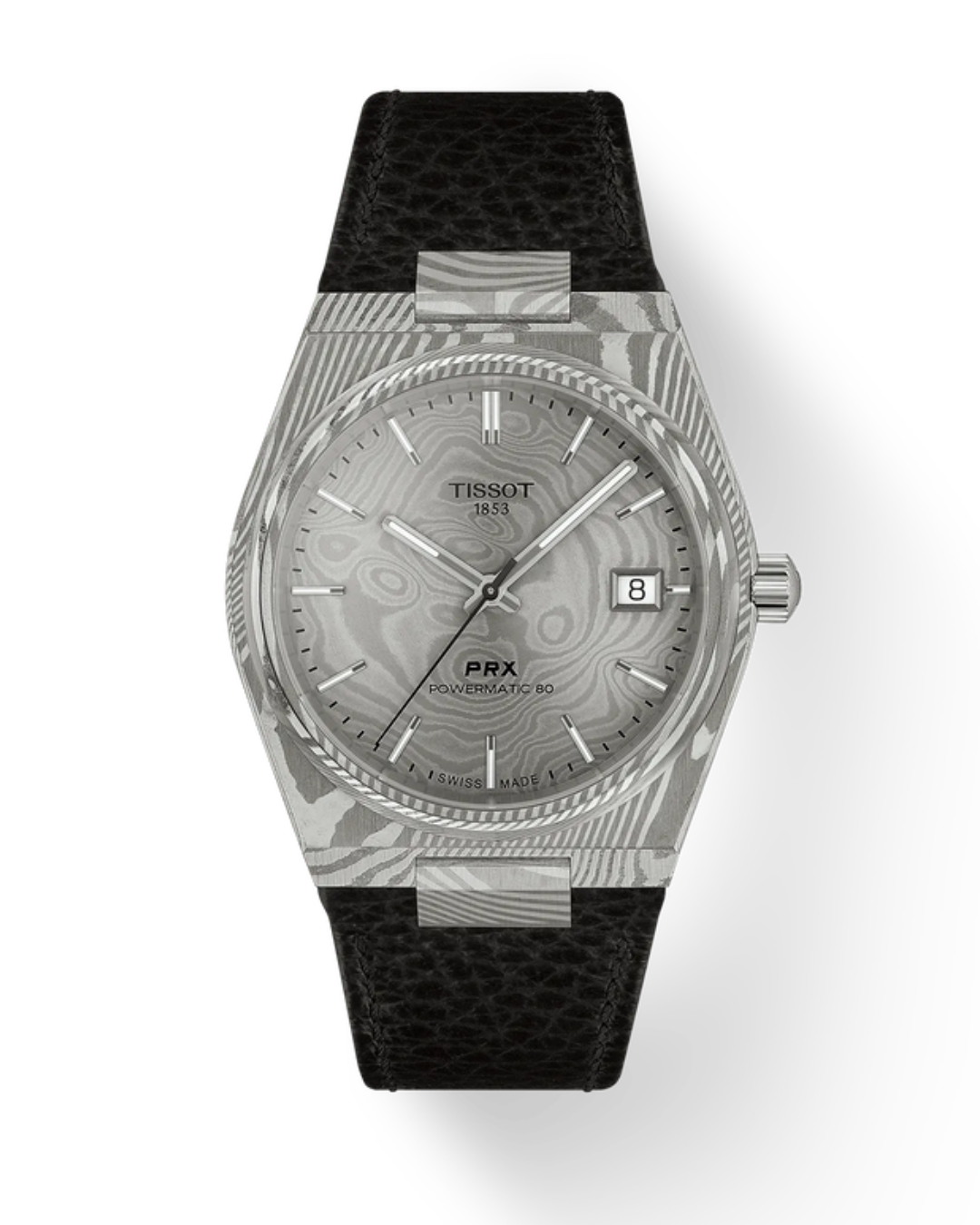
Tissot introduced three new 38 mm models to its loved PRX line, one of which stands out with a marbled Damascus stainless-steel case, Ref. T1378079608100. The watch features the aesthetics codes of the PRX line, with a dial and case crafted from the patterned steel, making each timepiece unique. It is worn on an embossed cow leather strap, as opposed to the integrated bracelet offered in the line. Powered by self-winding Powermatic 80 movement it runs without pause till 80 hours.
Of firsts
Breguet
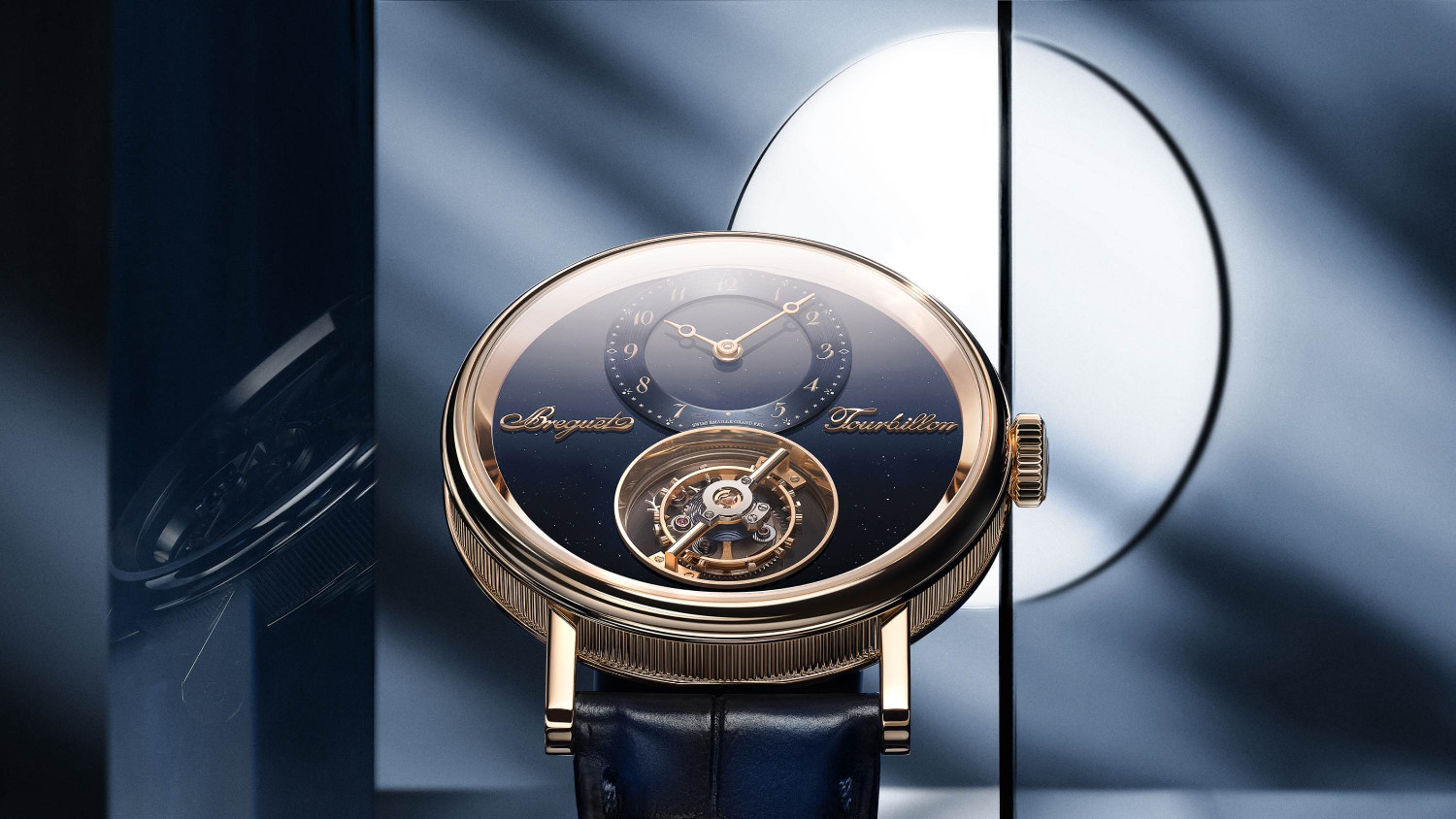
Breguet unveiled its first-ever flying tourbillon (located at 6 o’clock) this year with the Classique Tourbillon Sidéral 7255, as a part of celebratory releases for its 250th anniversary. The flying tourbillon's cage is supported only from below, giving the impression that the entire mechanism is levitating. This effect is enhanced by a sapphire glass lower bridge and an off-centre contact point for the gears, which hides the mechanics from view. It is powered by the hand-wound Calibre 187M1, which offers a 50-hour power reserve. Interestingly, the watch's release on June 26 coincided with the anniversary of Abraham-Louis Breguet obtaining the patent for his original tourbillon invention in 1801.
Breguet marked its 250th anniversary with several significant releases, saving its most technically ambitious statement for the end: the Expérimentale 1. This inaugural piece of the brand’s new R&D-focused line introduces the world’s first constant-force magnetic escapement paired with a 10 Hz tourbillon serving as the regulating organ. Powered by the manually wound, double-barrel Calibre 7250, the movement measures 33.8 mm × 6.3 mm, delivers a 72-hour power reserve, and is certified under the Breguet hallmark in the Scientific category with a precision of ±1 second per day.
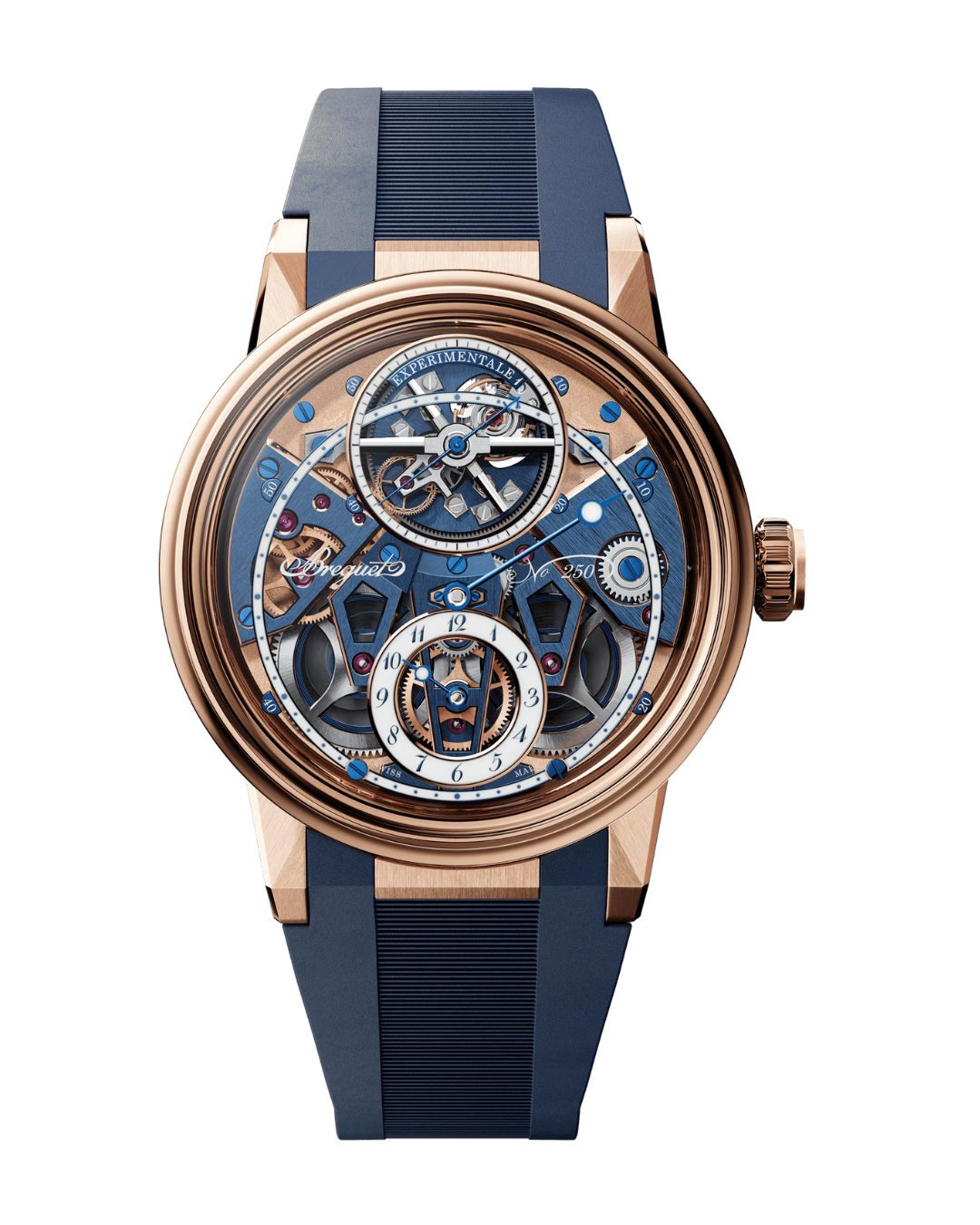
The escapement replaces traditional contact points with samarium-cobalt magnets, using magnetic potential energy to ensure constant force while eliminating friction. An intermediate stop wheel prevents unwanted motion under shock. The largely non-magnetic tourbillon, executed in titanium, weighs just 0.60 grams. Housed in a 43.5 mm Breguet gold Marine case, the watch features a regulator-style display.
Blancpain
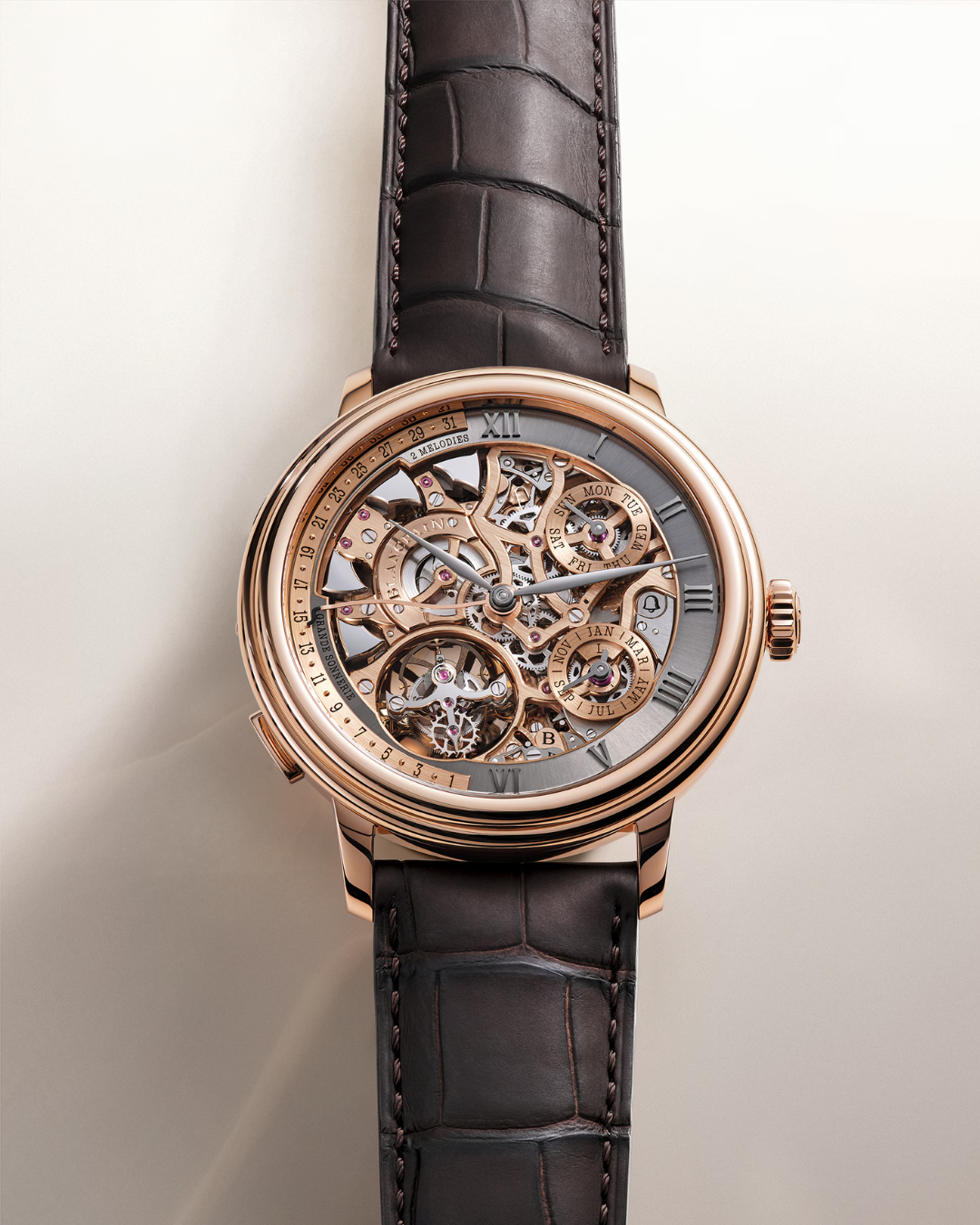
The Blancpain Grande Double Sonnerie 15GSQ represents the most complex wristwatch ever produced by the maison and a landmark in contemporary chiming watchmaking. Developed over eight years, the manually wound Calibre 15GSQ comprises 1,053 components and incorporates a grande sonnerie, petite sonnerie and minute repeater, alongside a flying tourbillon and a fully integrated retrograde perpetual calendar.
Its defining innovation is a world-first double sonnerie system with two selectable melodies: the traditional four-note Westminster chime and an original Blancpain composition by musician Eric Singer. Selection is made via a case pusher, while a slide allows switching between grande sonnerie, petite sonnerie and silent modes. The movement beats at 4 Hz and offers a 96-hour power reserve for timekeeping, with 12 hours dedicated to sonnerie operation .
Housed in a classical Blancpain case, the 15GSQ stands as a technical and acoustic tour de force, reaffirming the brand’s historical mastery of grand complications.
Chopard
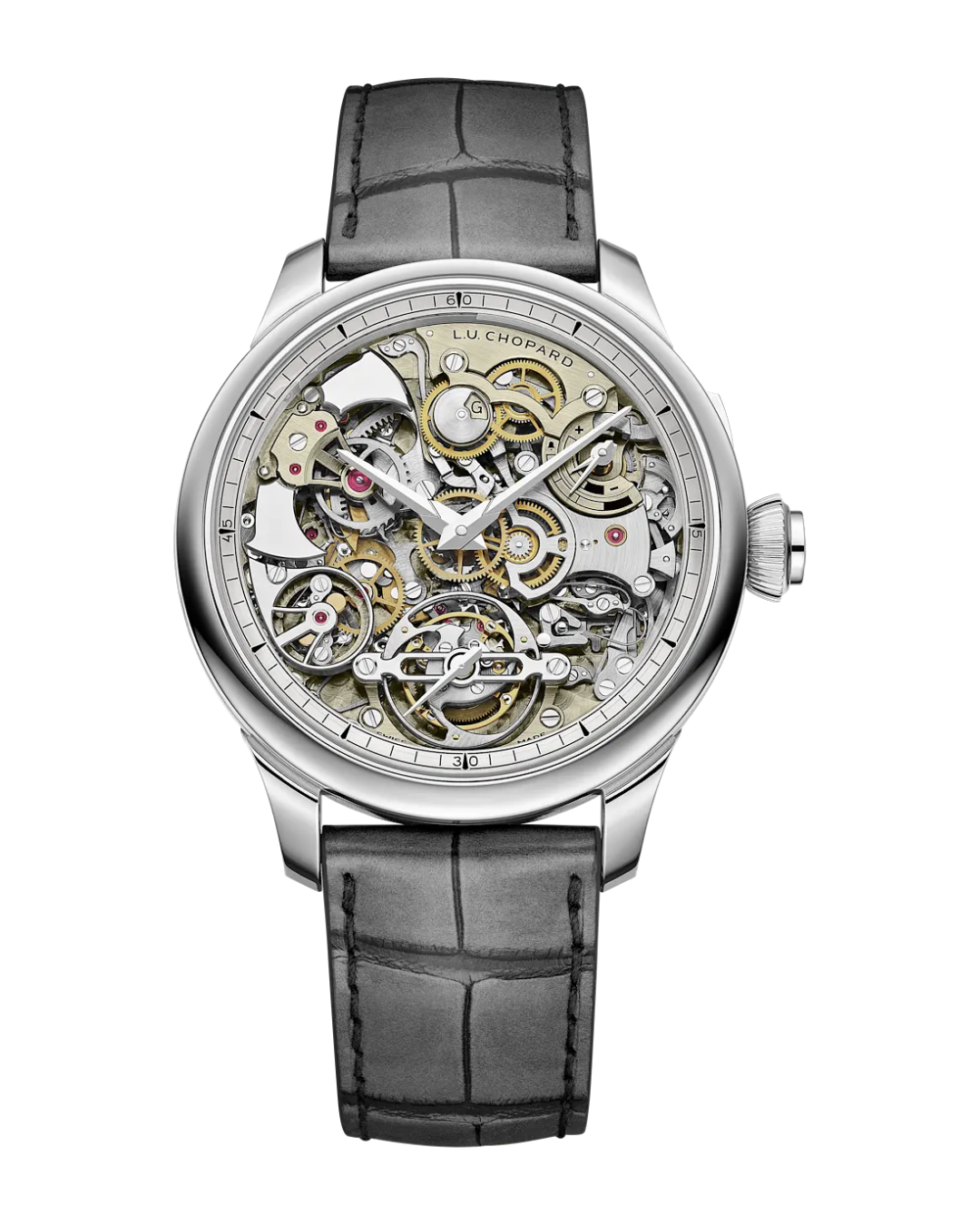
The Chopard L.U.C Grand Strike represents the pinnacle of the manufacture’s expertise in chiming complications and is the most complex wristwatch ever created by Chopard. Developed to mark three decades of L.U.C Manufacture in Fleurier, it combines a grande sonnerie, petite sonnerie and minute repeater with a tourbillon, all housed in a 43 mm case crafted from ethical white gold. At its heart is the hand-wound Calibre L.U.C 08.03-L, comprising 686 components, operating at 4 Hz, and offering a 70-hour power reserve for timekeeping and a dedicated reserve for the sonnerie mechanism .
Its defining feature is Chopard’s patented sapphire gong technology, in which the gongs and watch crystal are machined from a single monobloc sapphire structure. This construction transmits sound with exceptional clarity and volume, producing a distinctive C♯–F♮ chord known as the “Sound of Eternity.” Certified by COSC, the Poinçon de Genève and Qualité Fleurier, the L.U.C Grand Strike stands as a major acoustic and technical milestone in modern haute horlogerie .
Jacob & Co.
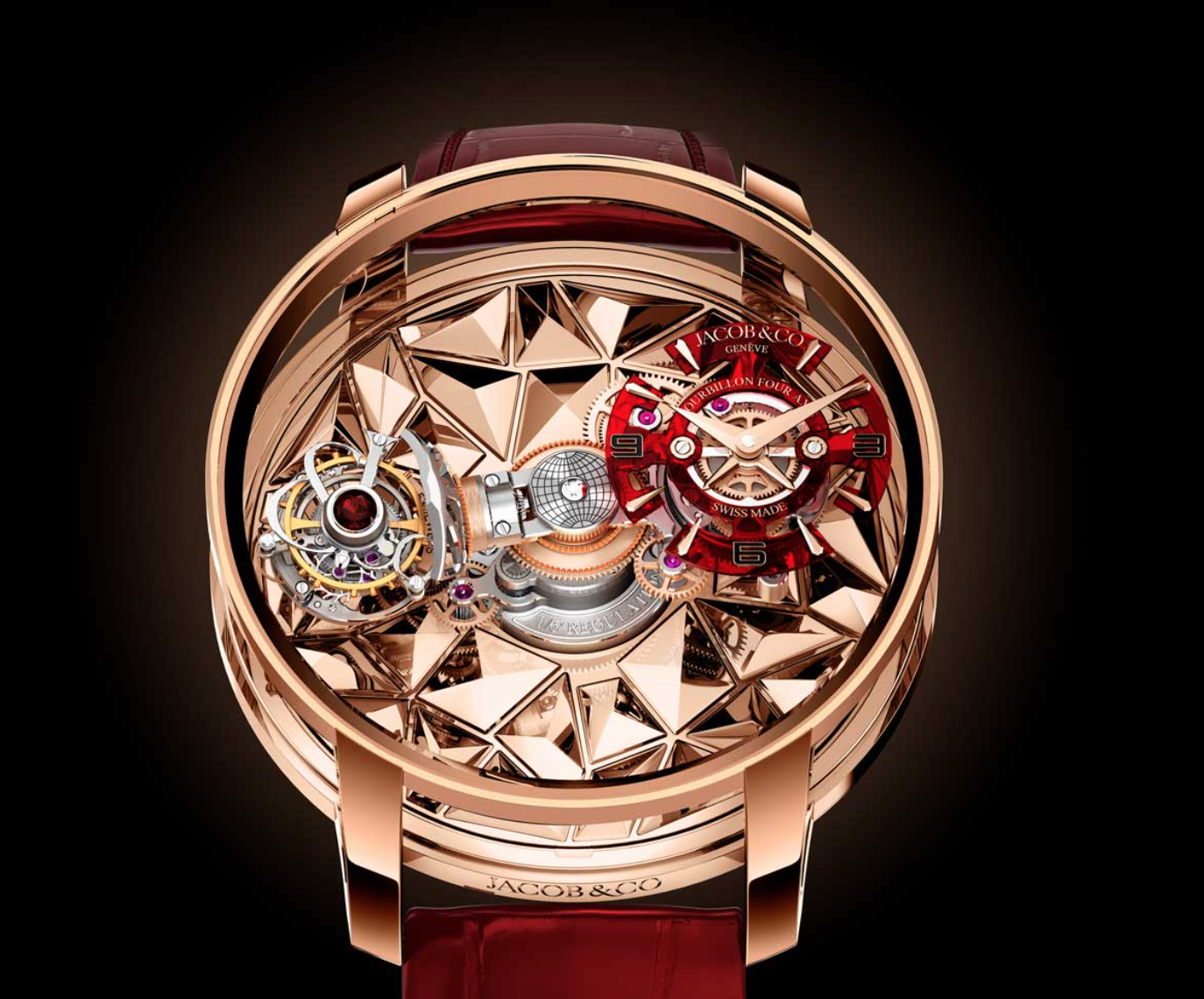
Jacob & Co. introduced a world-first quad-axial tourbillon with the fastest remontoir in its Astronomia Revolution Fourth Dimension watch. While a standard tourbillon rotates on a single axis, this creation adds three more axes: The entire movement carriage completes a full rotation in 60 seconds on the first axis, the cage rotates on a second axis in 18 seconds, the mechanism rotates on a third axis in 15 seconds, the fourth axis sees the entire arm, dial included, complete a full rotation every 60 seconds—a dramatic acceleration from earlier Astronomia models, which first rotated in 20 minutes, then 10, and finally reached the one-minute cycle with the Revolution series. It is housed in a large, 47mm case, with domed sapphire crystals on the front and sides, providing an unobstructed, 360-degree view of the movement.
Images: Courtesy Brand
Also Read :
The 5 best-buy watches for Christmas and New year
|
The book, Anita Khatri - A Sense of Time, has everything you want to know about chronographs
|
Timed to Perfection: Reflecting the Maison’s rich history and legacy, Blancpain’s Villeret Quantième Complet Phases de Lune is poetry in motion
More In features



Sign up for our newsletters to have the latest stories delivered to your inbox