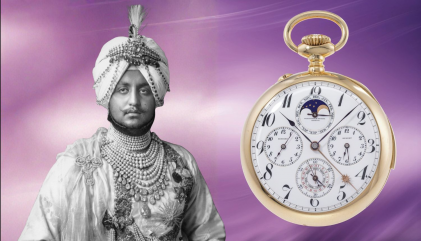
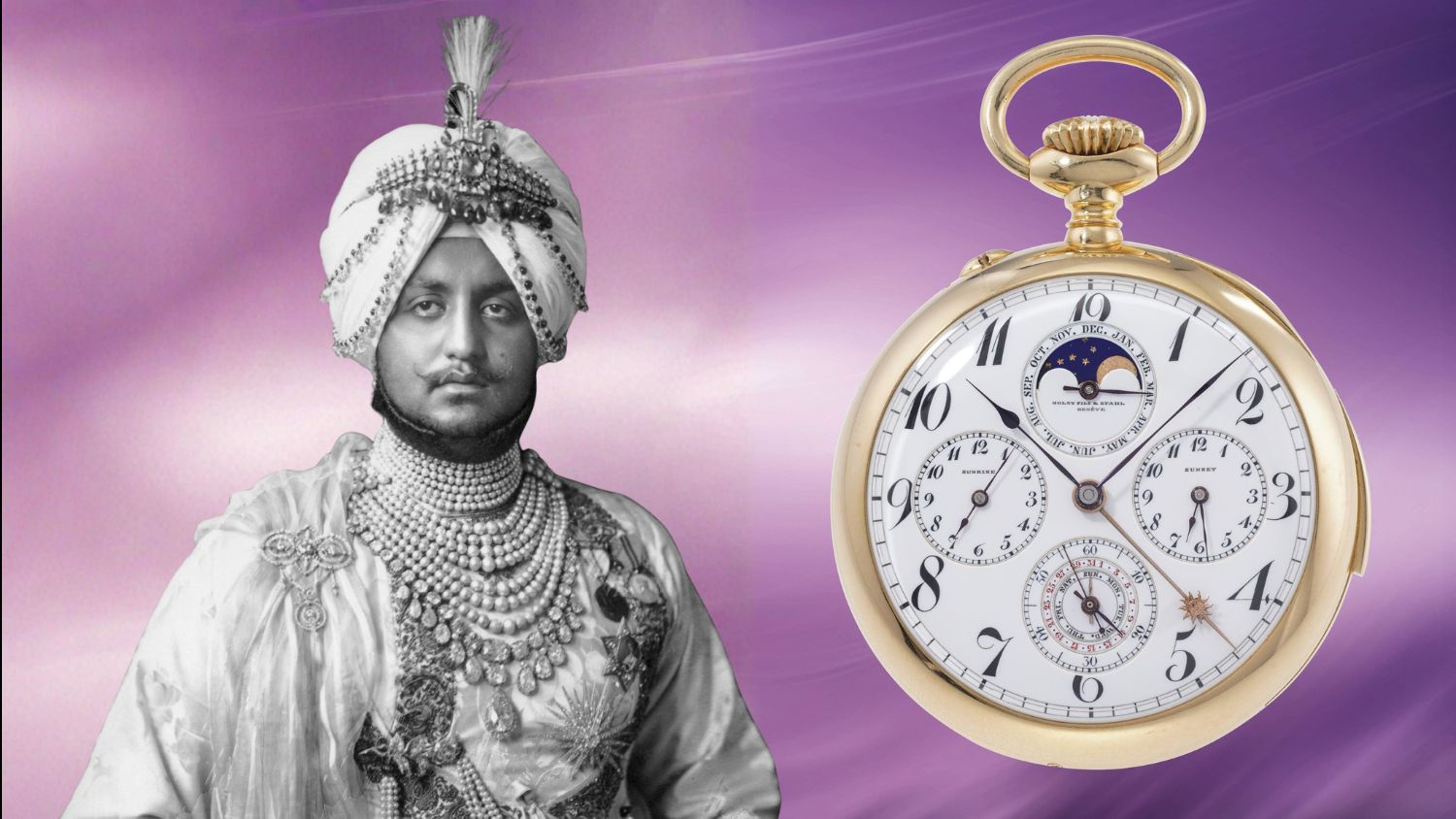
An extraordinary pocket watch by Golay Fils & Stahl circa 1910, crafted for Maharaja Bhupinder Singh of Patiala is up for auction at the upcoming Geneva Watch Auction: XXIII, taking place on 9 – 10 May 2026, with an estimate of approximately ₹1.2 - 2.4 crores (CHF 100,000–200,000).
The 52 mm pocket watch is a rare intersection of haute horlogerie and Indian royal history. Housed in an 18-karat yellow gold case and powered by a manually wound movement with 31 jewels, the watch combines a suite of complications: minute repeating, perpetual calendar, moon phases, equation of time, and highly unusual sunrise and sunset indications. The latter alone places the timepiece among a tiny group of astronomical watches ever produced.
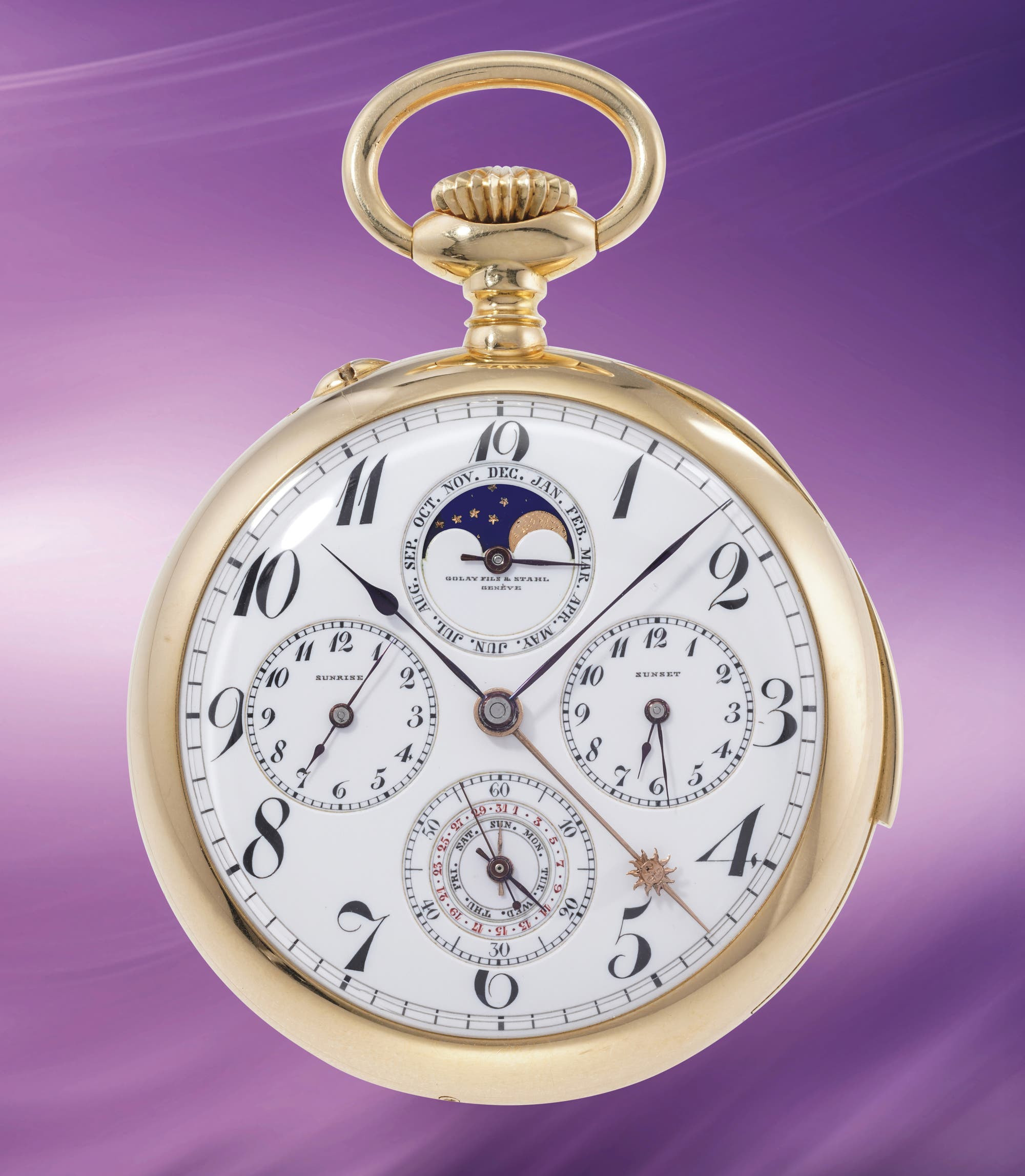
At the heart of the watch lies one of horology’s most poetic complications — the equation of time. Indicated by a central hand tipped with an engraved sun, the display measures the difference between mean solar time, the standardised civil time we follow daily, and true solar time, which fluctuates due to the Earth’s elliptical orbit and axial tilt.
Even more remarkable are the sunrise and sunset displays, calibrated specifically for the latitude of Patiala in Punjab, India — approximately 30.23° North. Unlike conventional complications that can function universally, this mechanism was personalised to the Maharaja’s geographical location, making the watch deeply personal and impossible to replicate without redesigning the entire astronomical system.
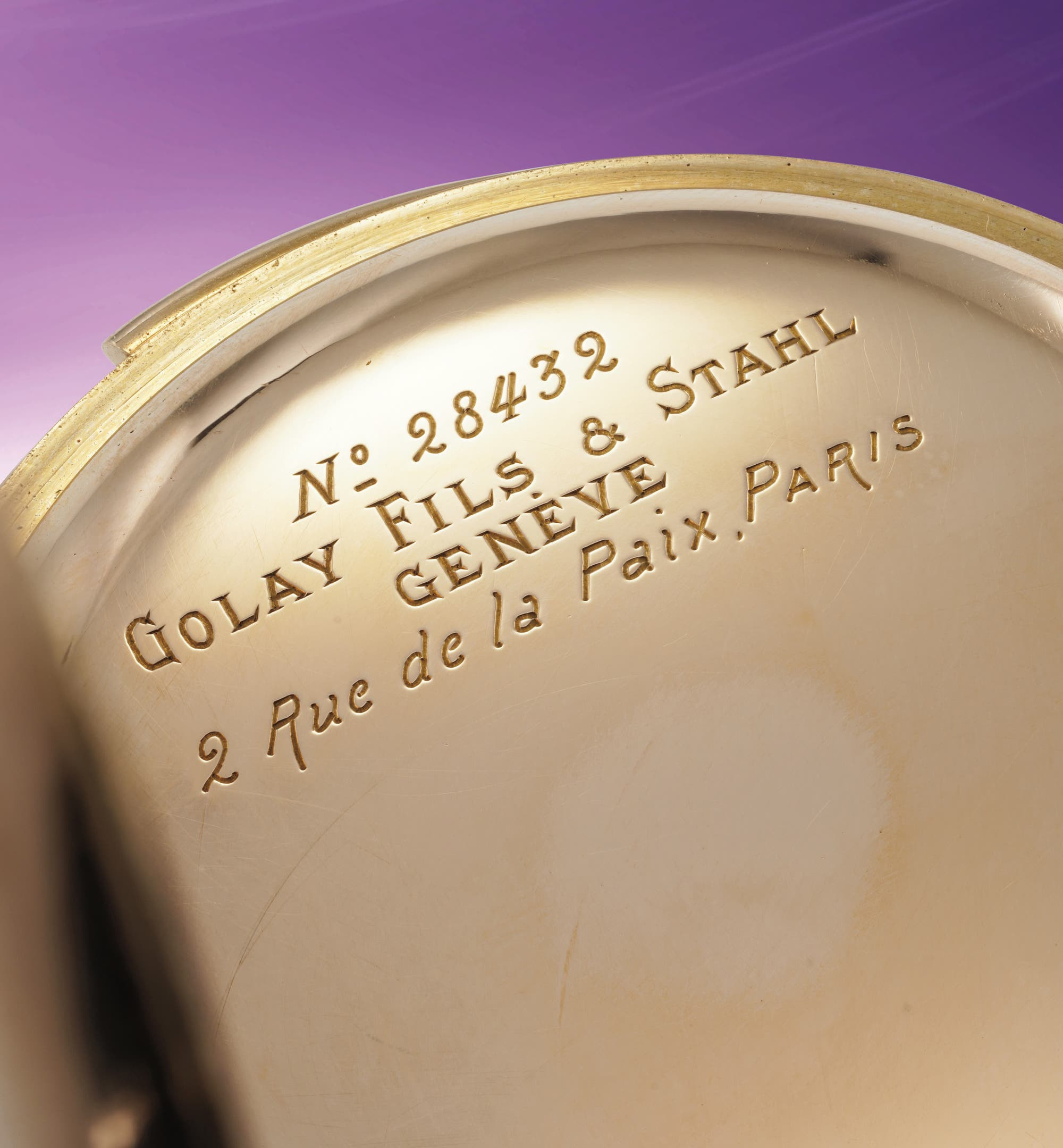
The movement itself reflects the collaborative genius of early 20th-century Swiss watchmaking. The ébauche (movement kit) is believed to have been created by Léon Aubert of Le Brassus before the First World War, while the perpetual calendar mechanism was likely produced by Paul-August Golay of the Vallée de Joux. The sunrise and sunset mechanism is attributed to Jean Piguet of Le Brassus — names that also share connections to the legendary supercomplication commissions of Patek Philippe.
Adding to the movement’s prestige are a Guillaume balance and wolf teeth winding system, both signatures of high-grade watchmaking during the period. The Guillaume balance, prized for its temperature-resistant properties, enhanced chronometric stability, while wolf teeth gearing ensured smoother and more refined winding action.
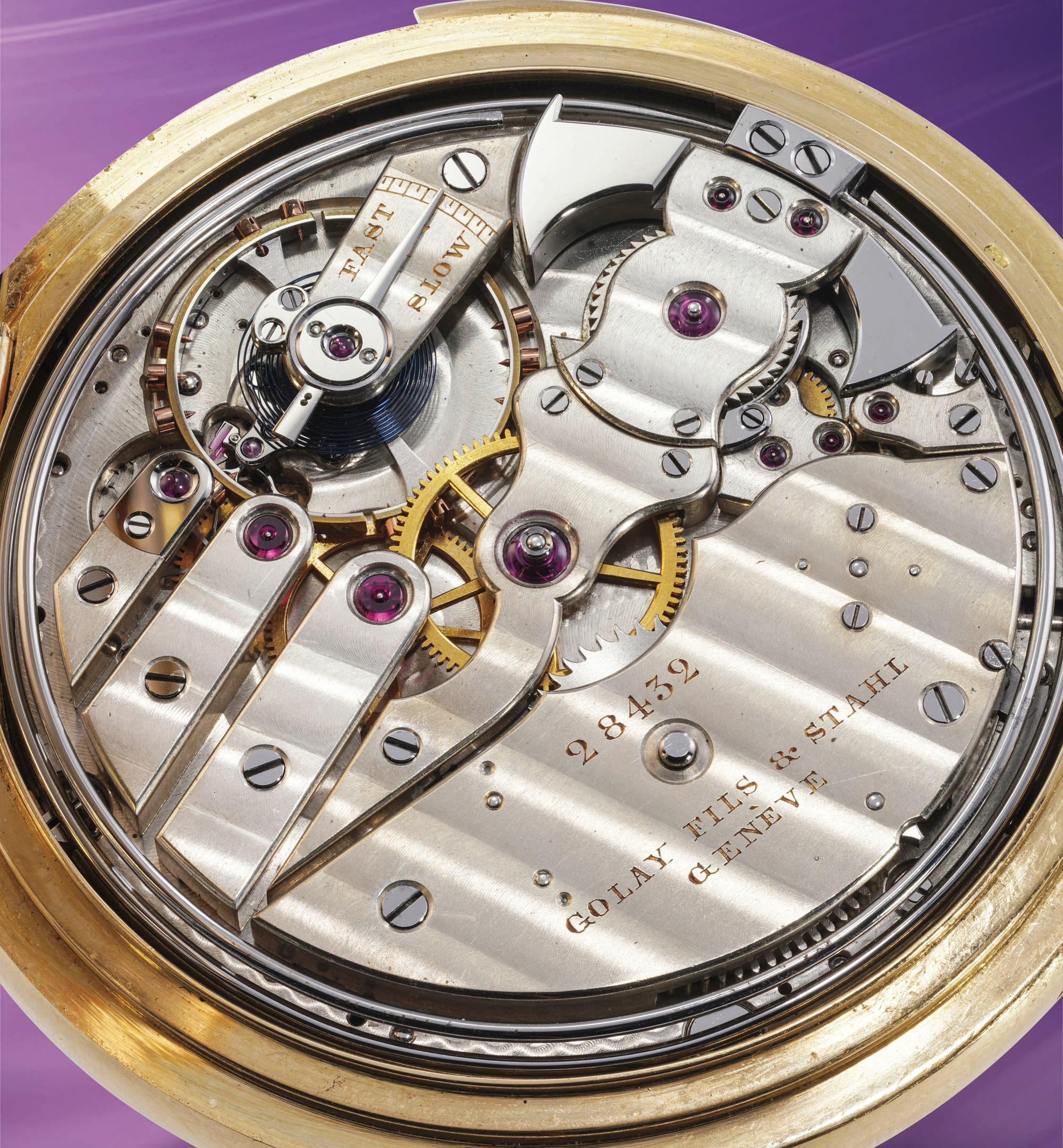
Yet, as fascinating as the mechanics are, the story becomes even richer when considering its original owner: Maharaja Bhupinder Singh. Few royal figures embodied extravagance quite like the Maharaja of Patiala. Ruling from 1900 to 1938, Bhupinder Singh became internationally renowned for his immense wealth, lavish lifestyle, and appetite for luxury. His legendary collection reportedly included 44 Rolls-Royces, the iconic Patiala Necklace by Cartier, and an enduring passion for sport, particularly cricket and polo. He also remains associated with the famously generous “Patiala peg.”
Images: Courtesy of Phillips
Also Read :
A Cartier Crash becomes the most expensive watch auctioned by the brand, sets world record
|
Rolex Oyster worn by Mercedes Gleitze to cross the English Channel goes for auction
|
The first stainless-steel Patek Philippe 1518 is set to break records at the upcoming Phillips auction
More In news



Sign up for our newsletters to have the latest stories delivered to your inbox