
There are no two thoughts that independent watchmakers are shaping contemporary watchmaking through technical innovation, artistic refinement, unmistakable style, along with their fiercely individual vision. These individuals are not bound by tradition, and hence they push the limits of what watchmaking can be, exploring both the roots of traditional craft and its possibilities. In the article, we have featured six watchmakers whose work and distinctive complications are redefining the future of mechanical watches.
1. Raúl Pagès – Keeper of Tradition and Master of Micromechanics
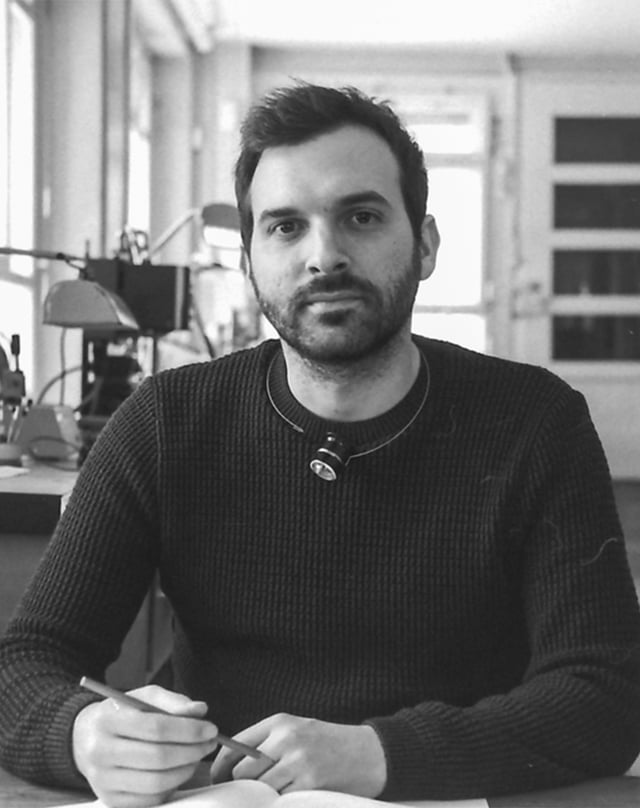
Raúl Pagès, born in Switzerland in 1983, combines classic craftsmanship with contemporary sensibilities. Before designing his own timepieces, he dedicated himself to the meticulous restoration of highly complex antique mechanical watches. This work demanded not only exceptional craftsmanship but also a profound understanding of historical techniques and materials. As a result, Pagès developed an extraordinary sensitivity to precision and attention to detail, which significantly characterizes his masterpieces of traditional watchmaking, crafted since 2012.
Technically and aesthetically brilliant
Pagès' calibers impress with their classic construction and refined, contemporary details. The finishing combines traditional decorations with stylistic clarity – each piece a masterpiece of micromechanical elegance.
Significance and influence
Pagès bridges the gap between past and present. He impressively demonstrates how deeply rooted watchmaking tradition can merge with contemporary creativity. His watches are limited-edition works of art that inspire enthusiasts to the highest degree. Through his mechanical innovations and unmistakable attention to detail, he makes a significant contribution to keeping classic watchmaking alive and relevant in today's world.
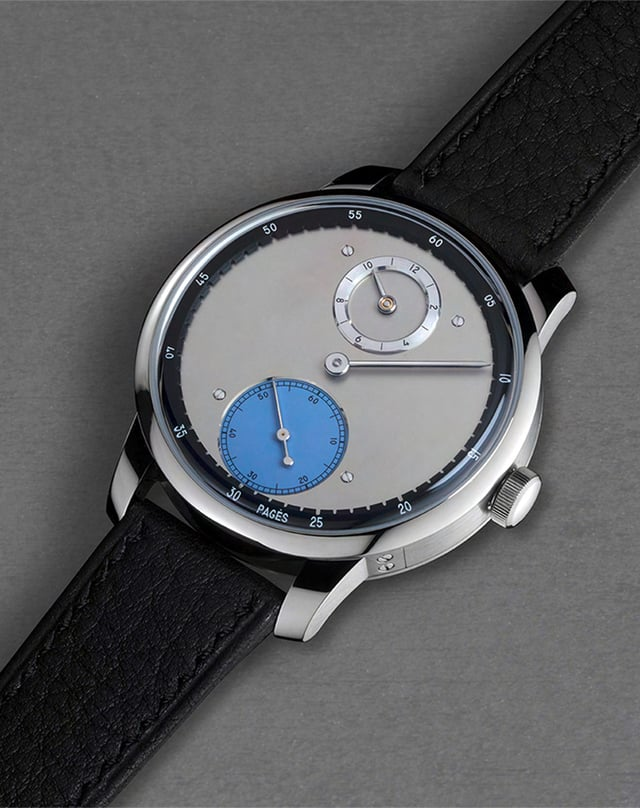
A true master of his craft, Raúl Pagès designed, constructed, and meticulously handcrafted the "Régulateur à détente RP1" entirely on his own in his workshop in Les Brenets, Switzerland. A classic regulator display, where hours, minutes, and seconds can each be read on separate axes, creates a distinctive visual appeal.
2. Hajime Asaoka – Self-taught in Japanese haute horlogerie
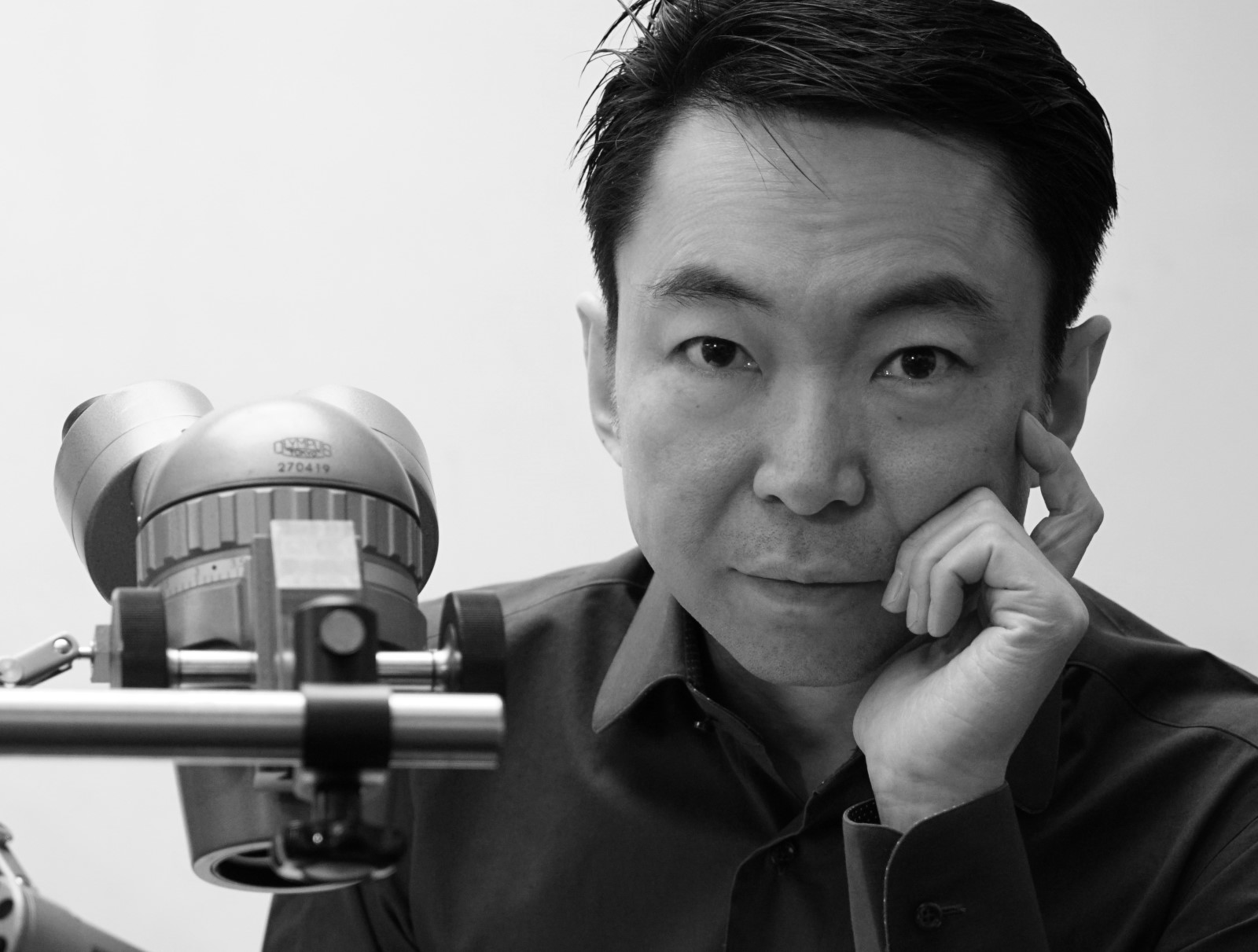
Hajime Asaoka, born in Japan in 1965, exemplifies the renaissance of independent watchmaking in Asia. Without formal training, but with exceptional discipline and a keen eye for design, he began developing and manufacturing mechanical timepieces single-handedly in 2005 – after studying product design. His first watch was meticulously handcrafted through intensive self-study. By 2009, he had already presented his first self-designed tourbillon.
Unique creators with an unmistakable style
Clean lines, technical finesse, and masterful craftsmanship lend Hajime Asaoka's unique mechanical timepieces and tourbillons their distinctive appeal. His designs appear minimalist yet expressive – characterized by modern reduction.
Highly sought after
Strict limitations make the haute horlogerie models exceptionally sought after – they are often sold out years in advance. Collectors appreciate not only the technical brilliance but also the deeply rooted cultural significance of his creations. Just over two years ago, the mechanical genius also acquired the brand license of the legendary Japanese luxury watch manufacturer Takano, whose production ceased around 60 years ago
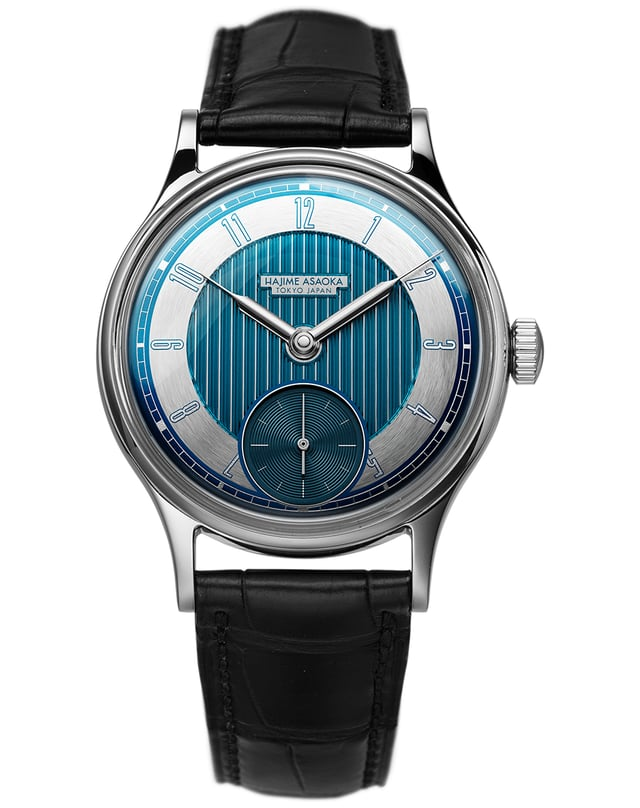
The Tsunami “Art Deco” by Hajime Asaoka is a completely handcrafted watch, limited to just six pieces, inspired by the aesthetics of classic Art Deco automobiles of the 1930s. Its 37-millimeter steel case frames an intricately enameled dial with multicolored, vertical gradients and a finely guilloché seconds circle in a “Zen garden” style. Inside beats a hand-wound Maillechort caliber with 18,000 vibrations per hour and a power reserve of approximately 40 hours, its finishing meeting the highest haute horlogerie standards.
3. Rexhep Rexhepi – New Generation of Haute Horlogerie
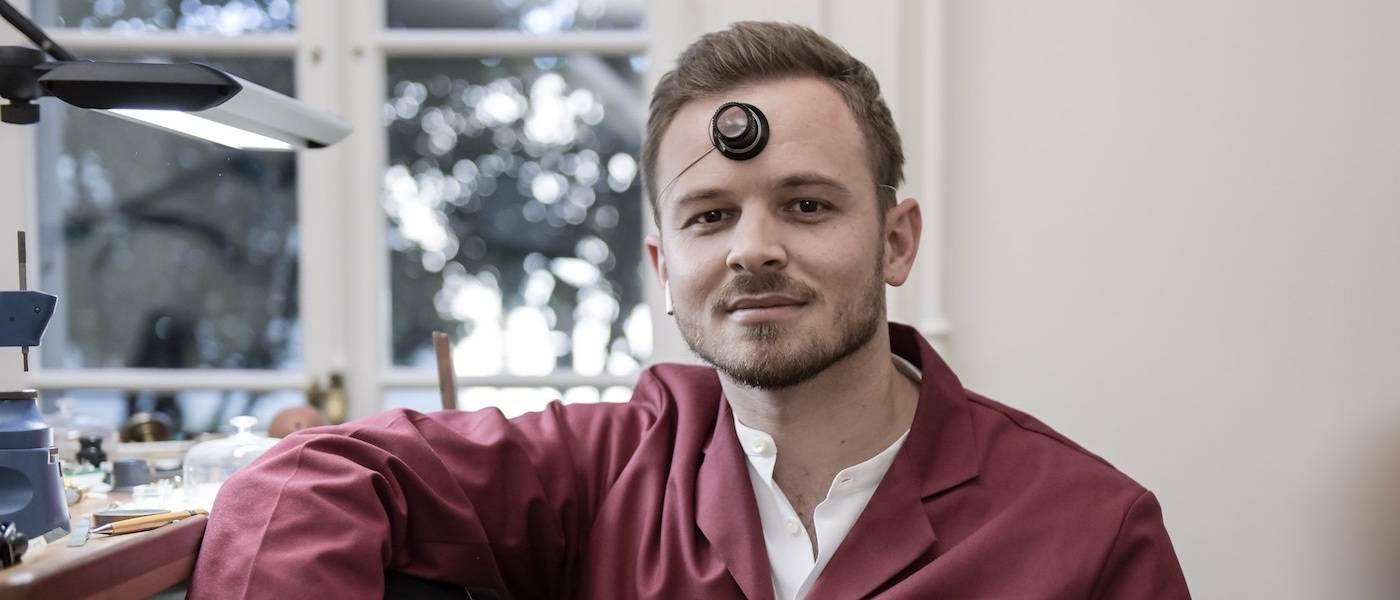
Born in Kosovo in 1987 and raised in Switzerland, Rexhep Rexhepi is already a familiar name to many watch enthusiasts. He came to Switzerland – the land of fine watchmaking – at the age of twelve. He founded his own brand, Akrivia, at the age of 25.
Precision and perfection as a trademark
Rexhepi's timepieces are distinguished by their masterful craftsmanship. The finishing is meticulously executed down to the smallest detail, achieving the quality of the most renowned traditional manufacturers. From the precise alignment to the flawless polish, every component reveals his uncompromising care and deep-rooted passion. Technically, his works are based on classic principles, yet appear anything but antiquated. His models impress with their clear mechanics, outstanding reliability, and contemporary design and legibility. Despite his deep-rooted Swiss heritage, he succeeds in integrating a distinctive and powerful personality.
Influence and significance
His training at Patek Philippe and inspiration from independent masters like FP Journe have significantly shaped the quality and philosophy of Akrivia. Rexhep Rexhepi, a two-time winner of the prestigious Grand Prix d'Horlogerie de Genève, is now considered one of the most important representatives of the young generation of independent watchmakers. His creations are highly valued by collectors and are extremely sought after.
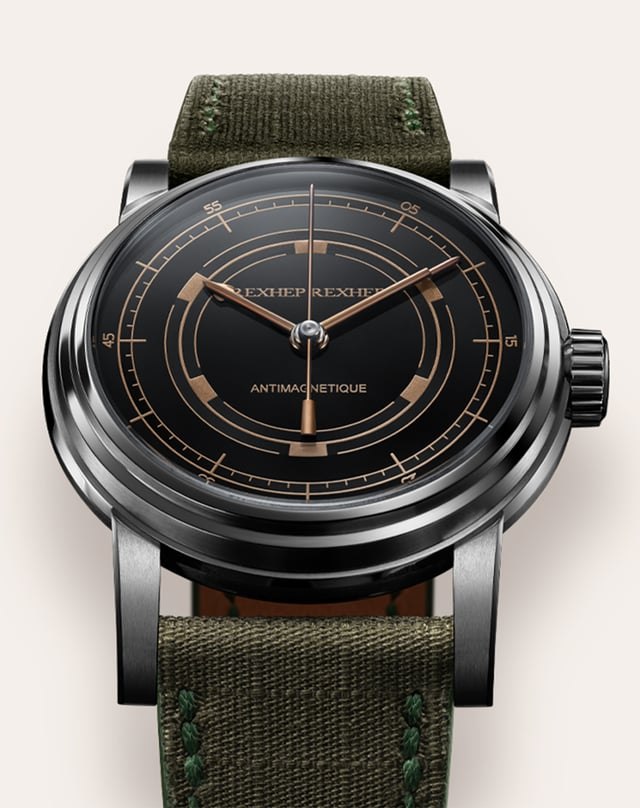
With the Chronomètre Antimagnétique, Rexhep Rexhepi draws on the scientifically influenced instrument watch tradition of the 1950s – an era in which Geneva watchmakers developed magnetic field-resistant timepieces for researchers.
4. Andreas Strehler – Master of the Moon Phase Complication
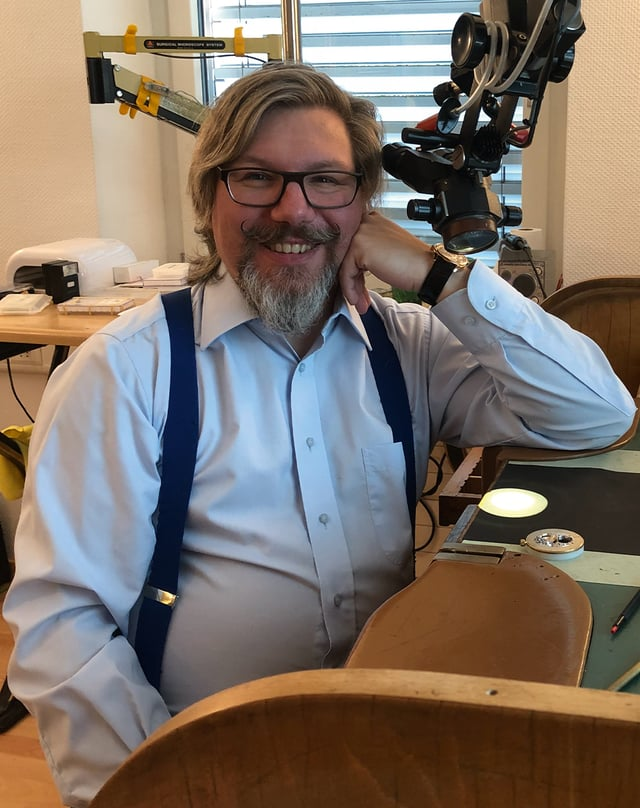
Born in Switzerland in 1971, Andreas Strehler is one of the most influential watchmakers of our time. He owes his prominent position not only to his exceptional craftsmanship, but above all to a visionary engineering mindset and an uncompromising pursuit of technical perfection.
Mechanical innovation and in-house expertise
Andreas Strehler, who completed his watchmaking apprenticeship in 1987, is considered a master of the moon phase complication. Before developing his own timepieces, this exceptional horological talent worked for renowned brands such as H. Moser & Cie., Chronoswiss, and Maurice Lacroix. His creations are characterized by an impressively high level of vertical integration: from the finest gear to the delicate components of the escapement, almost all parts are produced under his personal supervision. Strehler uncompromisingly pursues the highest quality standards and consistently seeks individual technical solutions. This rare combination of designer, watchmaker, and manufacturer makes him one of the most versatile figures in haute horlogerie.
The world's most precise lunar phase display
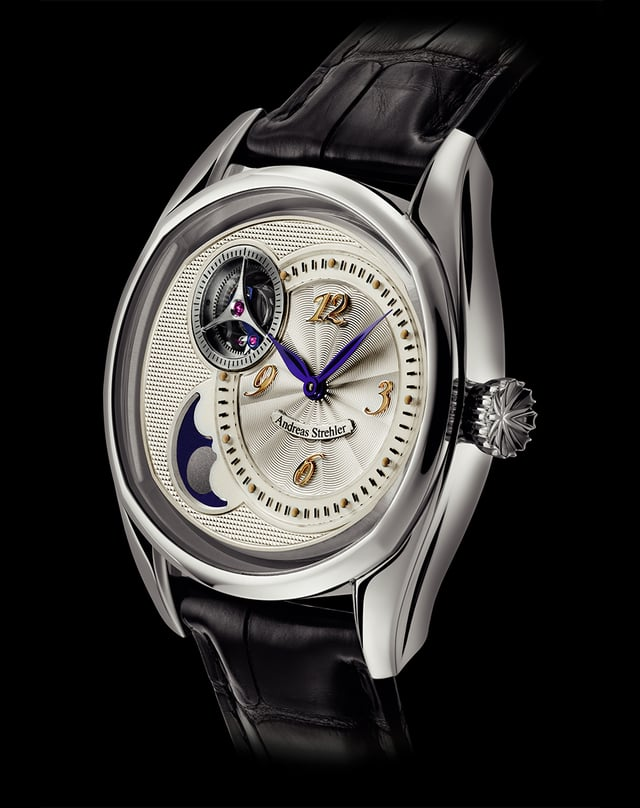
Of particular note is Strehler's "Sauterelle à Lune Perpétuelle"—a timepiece with a moon phase complication that redefines the concept of "precision." While conventional calibers require correction after only a few years, his design boasts a theoretical deviation of just one day in over two million years. This masterpiece demonstrates a profound understanding of astronomy and micromechanical precision.
With a deviation of only one day in 2,045,000 years, the “Sauterelle à Lune Perpétuelle” has the most precise moon phase display ever built in a wristwatch – and is thus listed in the Guinness Book of Records.
5. Vianney Halter – Visionary between Steampunk and Haute Horlogerie
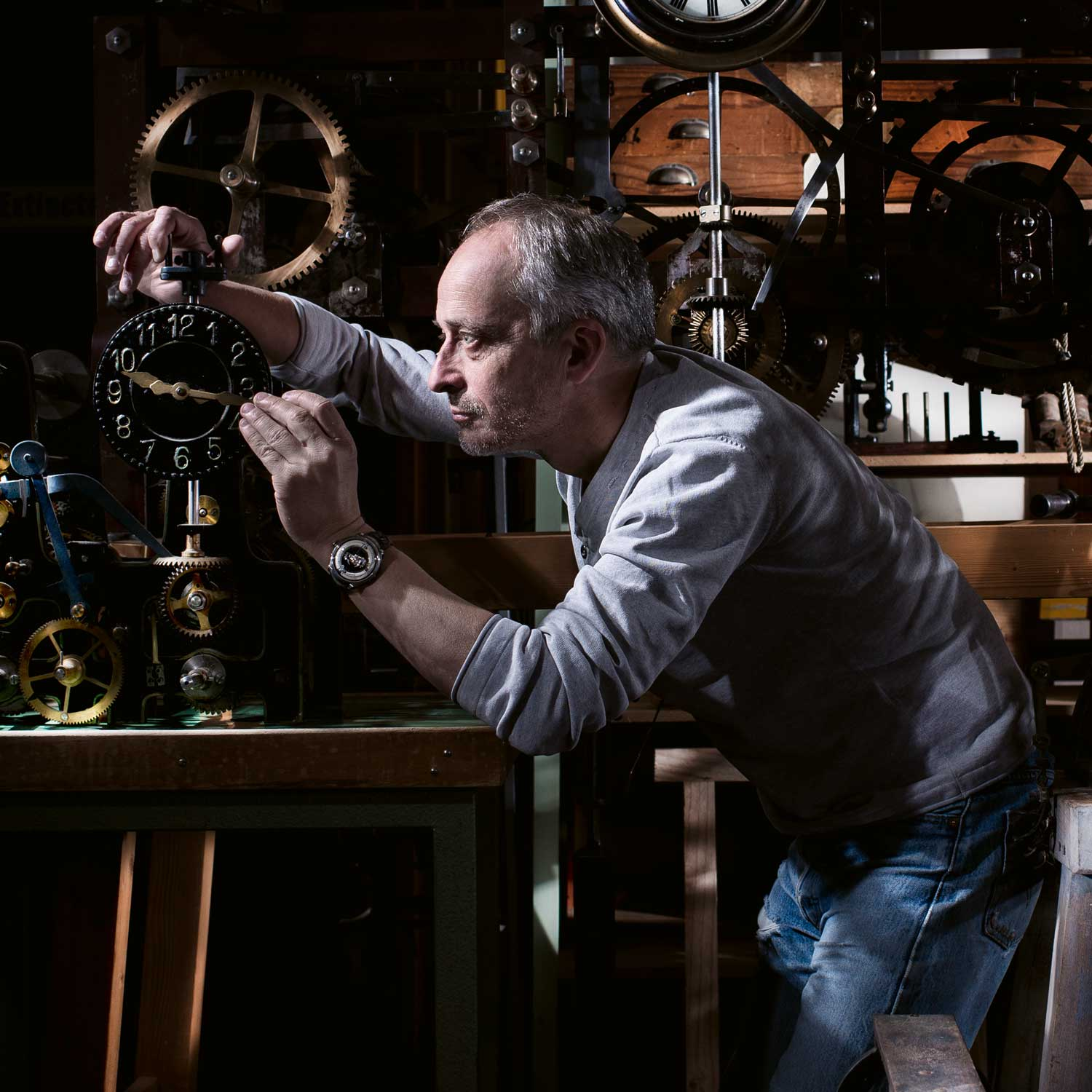
Radically independent and unmistakable – that's the best way to describe Vianney Halter's style. Born in France in 1963, this independent watchmaker is one of the most influential figures in his field. His timepieces are characterized by a futuristic, steampunk-inspired aesthetic and impress with both their technical and craftsmanship qualities.
Icon of the Independents
At the age of 14, he began his training at the Paris School of Watchmaking and spent his early professional years meticulously restoring antique timepieces. This acquired knowledge formed the basis for founding his own company in 1994, for which he produced watches for renowned manufacturers such as Harry Winston, Breguet, and Audemars Piguet. Four years later, in 1998, he finally presented his first own collection. The "Antiqua" model is considered a milestone in independent watchmaking. With its unusual case shape and original time display, Halter set new standards for creativity and design freedom. The watch quickly became an icon, not only because of its visual signature but also because of the technical finesse it embodies.
Technical mastery and creative eccentricity
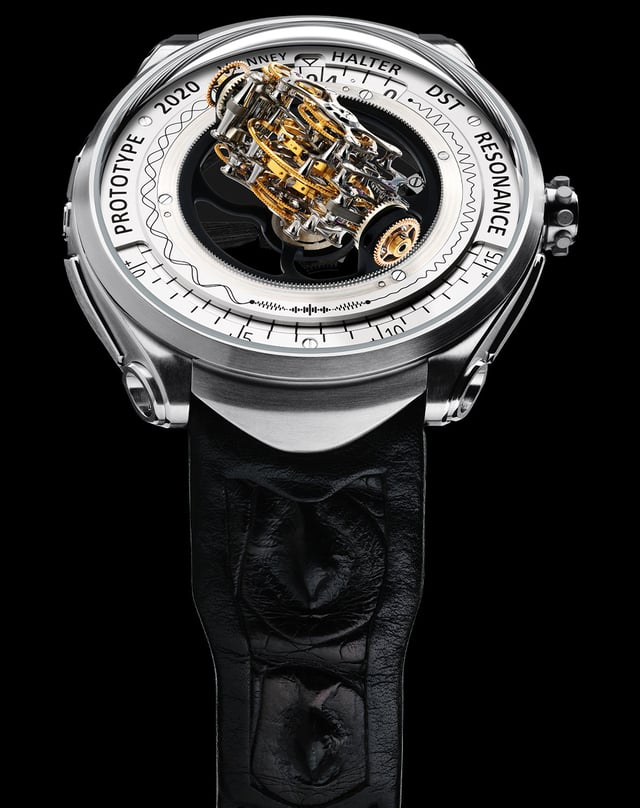
Whether jumping hour displays or multi-axis tourbillons – Halter's creations are mechanical manifestations of creative freedom. They combine classic craftsmanship with avant-garde vision and open up new perspectives within haute horlogerie. Halter's watches are artistic statements that challenge conventions and redefine the limits of what is possible.
With the “Deep Space Resonance”, Vianney Halter creates a horological masterpiece that unites two acoustically synchronized balance wheels in a three-axis tourbillon – a globally unique construction inspired by wave physics and cosmic forces.
6. Bernhard Lederer – German Champion of Complex Clockwork Regulation

Born in 1958, Bernhard Lederer is one of Germany's most distinguished independent watchmakers with an international reputation. His career began in 1984 with an apprenticeship at the Wuppertal Clock Museum. Today, the works of this precision mechanics specialist impress with their technical innovations and the masterful execution of complex regulating mechanisms.
Innovation at the heart of mechanics
Lederer is widely known for his work on highly complex escapements inspired by historical models by Abraham-Louis Breguet. These technically sophisticated designs enable precise impulse transmission while minimizing friction losses. For his innovative developments, he was awarded the prestigious Innovation Prize of the Grand Prix d'Horlogerie de Genève in 2021.
Significance and influence
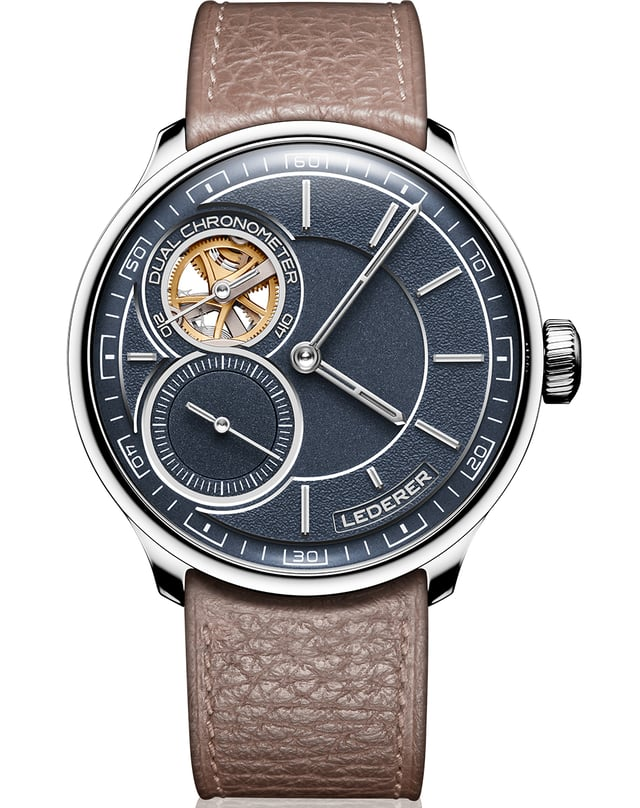
Bernhard Lederer is one of the few German watchmakers who has established himself internationally with his distinctive style and technical expertise. His unique approach combines traditional mechanics with modern engineering, making his pieces particularly relevant and contemporary.
Lederer's masterpiece, the "Central Impulse Chronometer," impressively combines technical innovation with visual brilliance. The movement features a novel escapement driven by two independent gear trains – each equipped with its own spring and equalization mechanism.
This article first published in WatchTime.net
Images: Courtesy WatchTime.net
Also Read :
A look at the new Rado Integral models as the line turns 40 this year
|
CEO Elie Bernheim on taking Raymond Weil's legacy forward
|
World Presentation of Haute Horlogerie 2026: Franck Muller expansive showcase includes its Vanguard and Cintrée Curvex timepieces among others
|
Watches and Wonders 2026: Corum presents Admiral, Golden Bridge, Coin Watch, and Golden Book
More In features

Sign up for our newsletters to have the latest stories delivered to your inbox