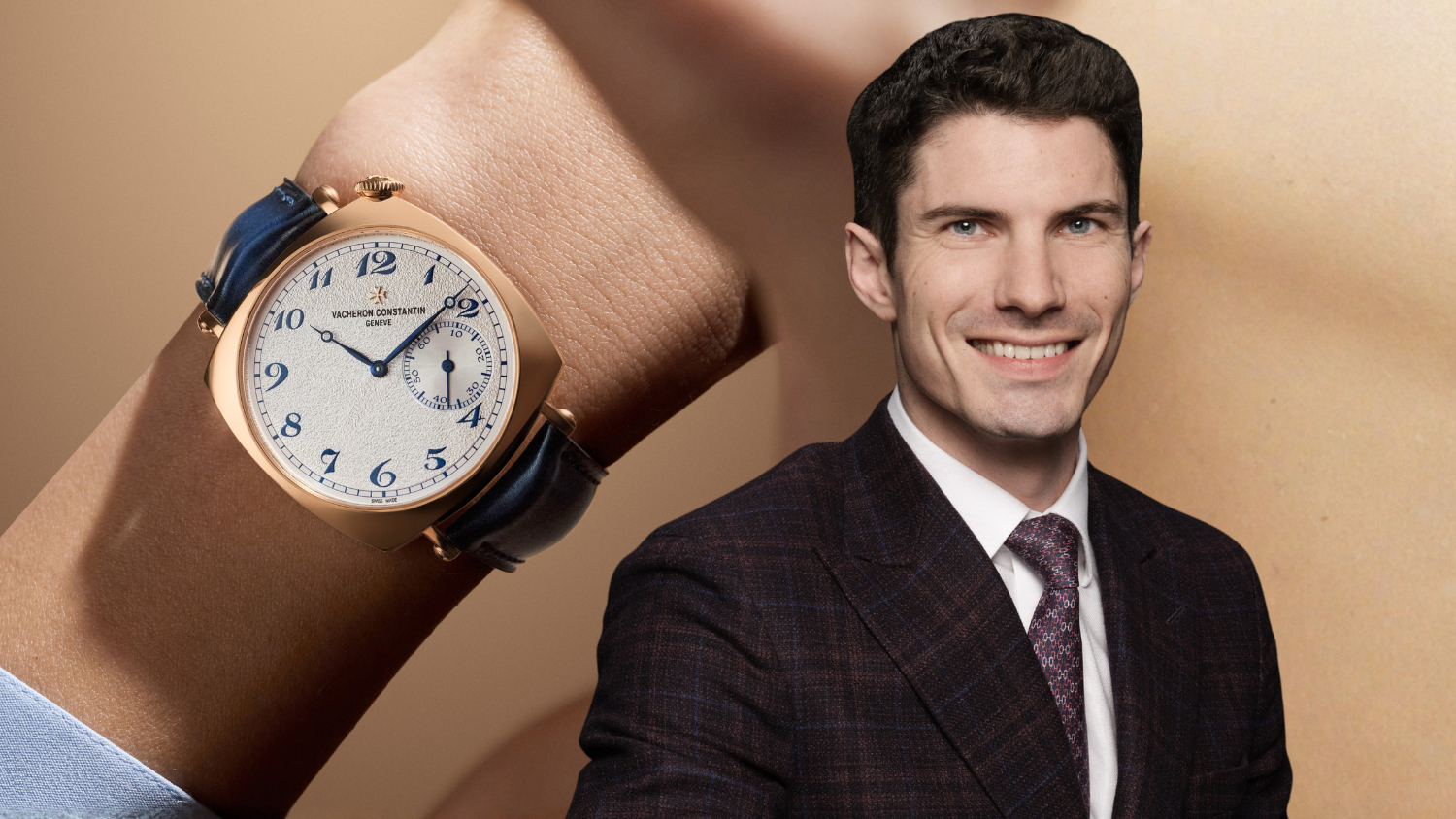
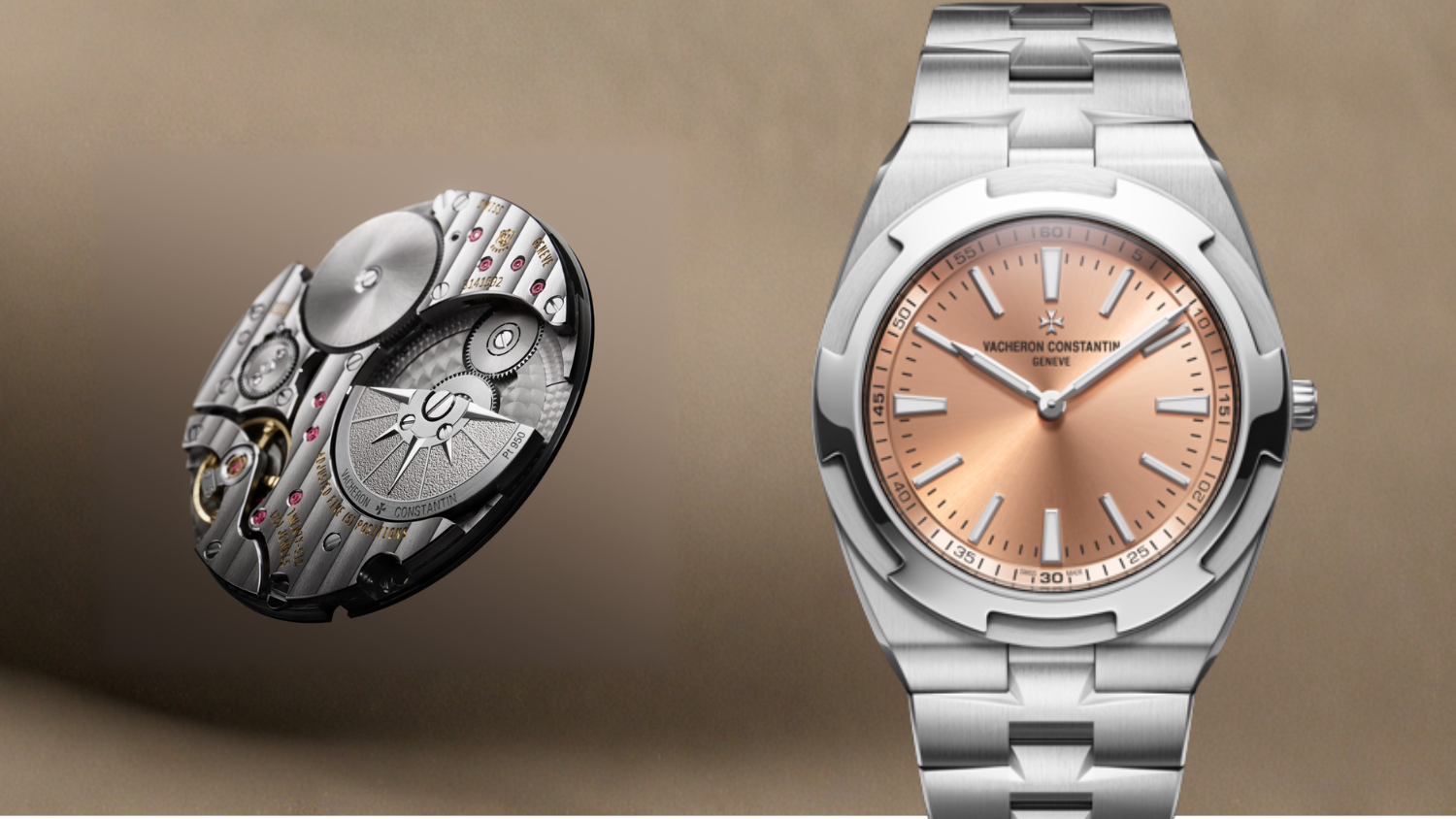
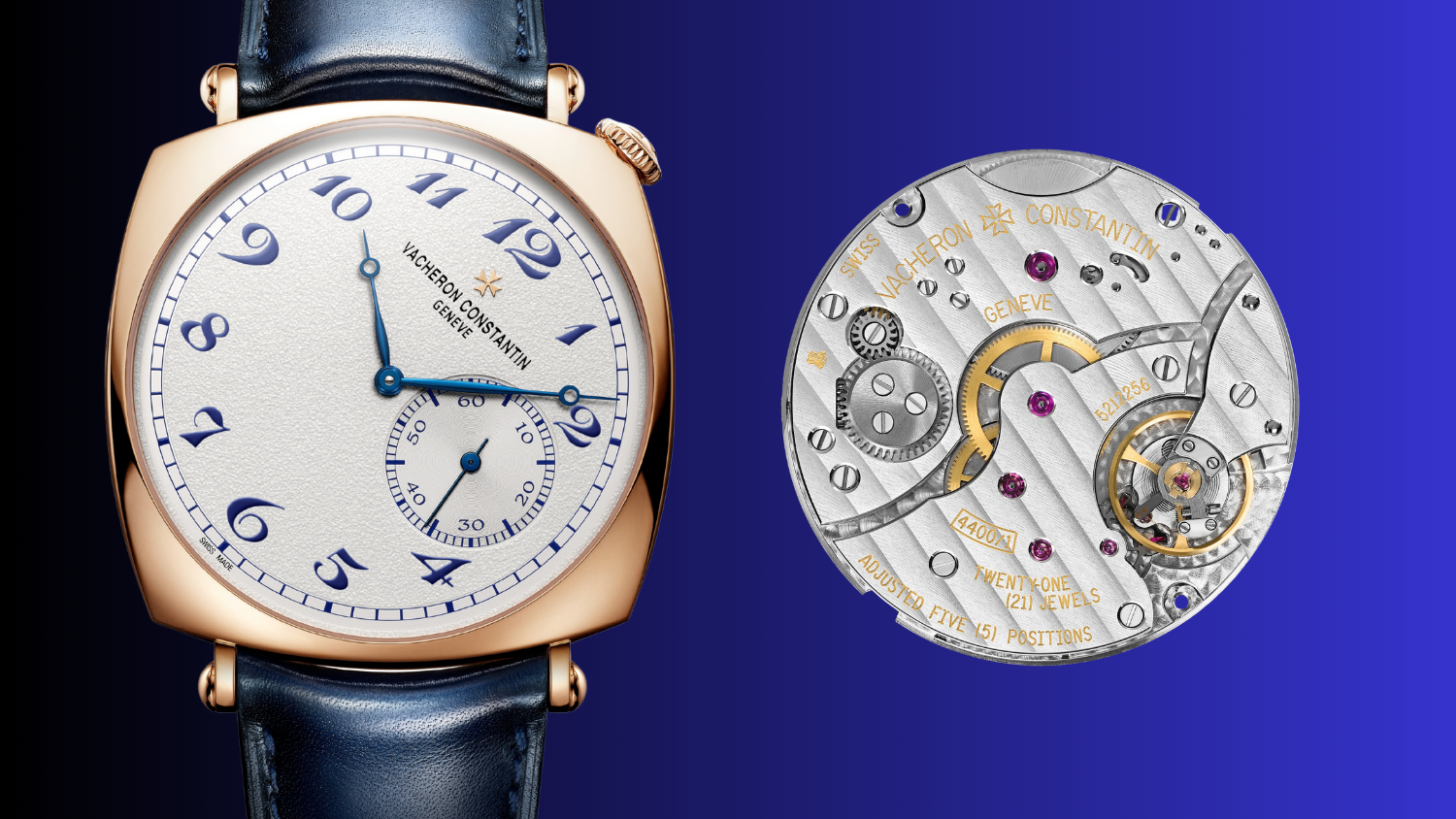
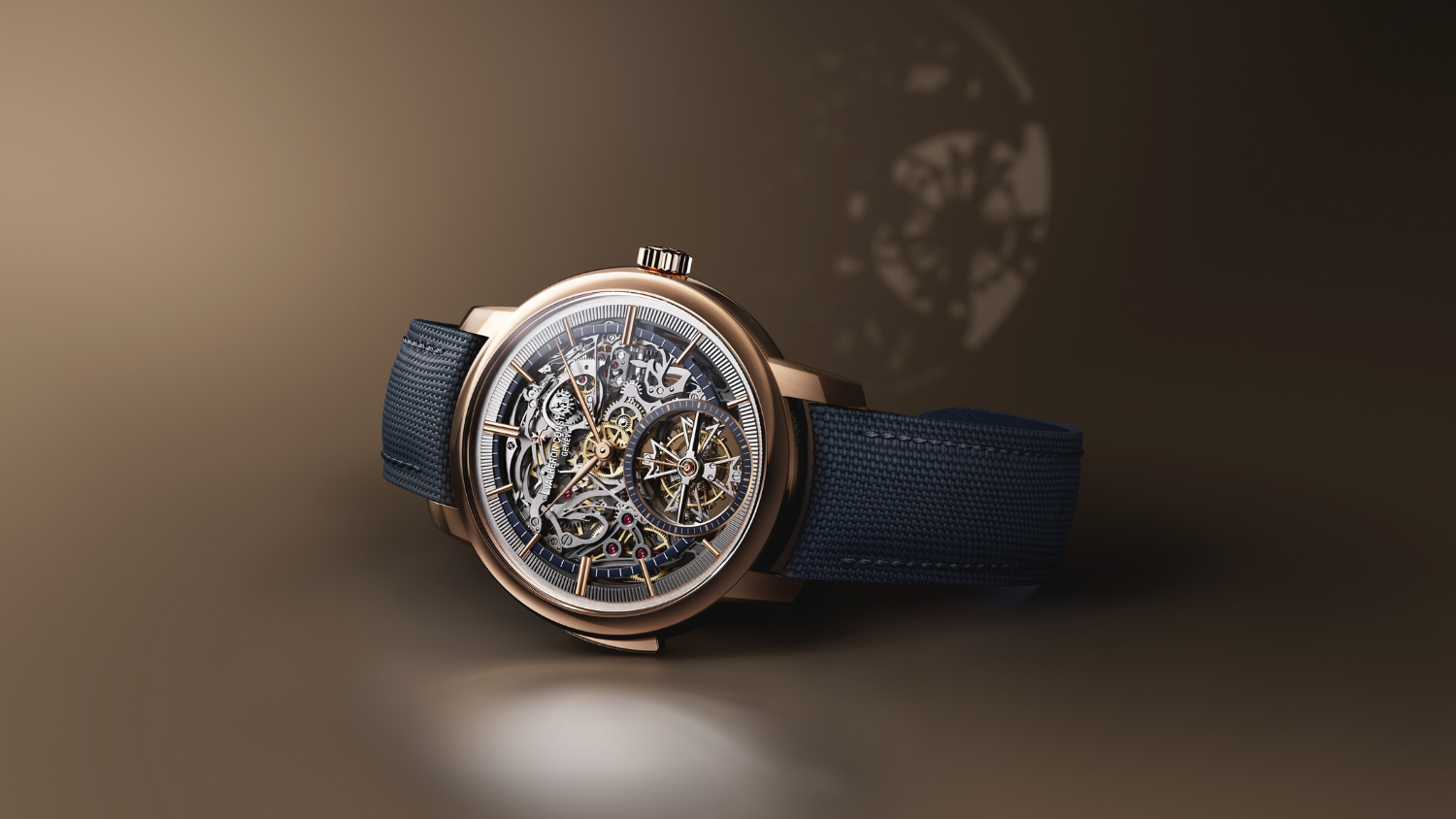
Vacheron Constantin's Watches and Wonders 2026 lineup, themed ‘Explore All Ways Possible’, was headlined by the ultra-thin, all-platinum Overseas Self-Winding alongside a rugged, grade 5 titanium Overseas Dual Time ‘Cardinal Points’ travel series in four distinct nature-inspired colours. The Maison also expanded its heritage and artistic lines, as seen in the Historiques American 1921 in pink gold in a new size of 40 mm and 36.5 mm, micro-sculpted Louvre-themed Métiers d’Art masterpieces, a poetic Égérie Moon Phase featuring a hand-painted strap, and a piece unique Les Cabinotiers skeletonised Minute Repeater Tourbillon. Read more about the novelties in detail here.
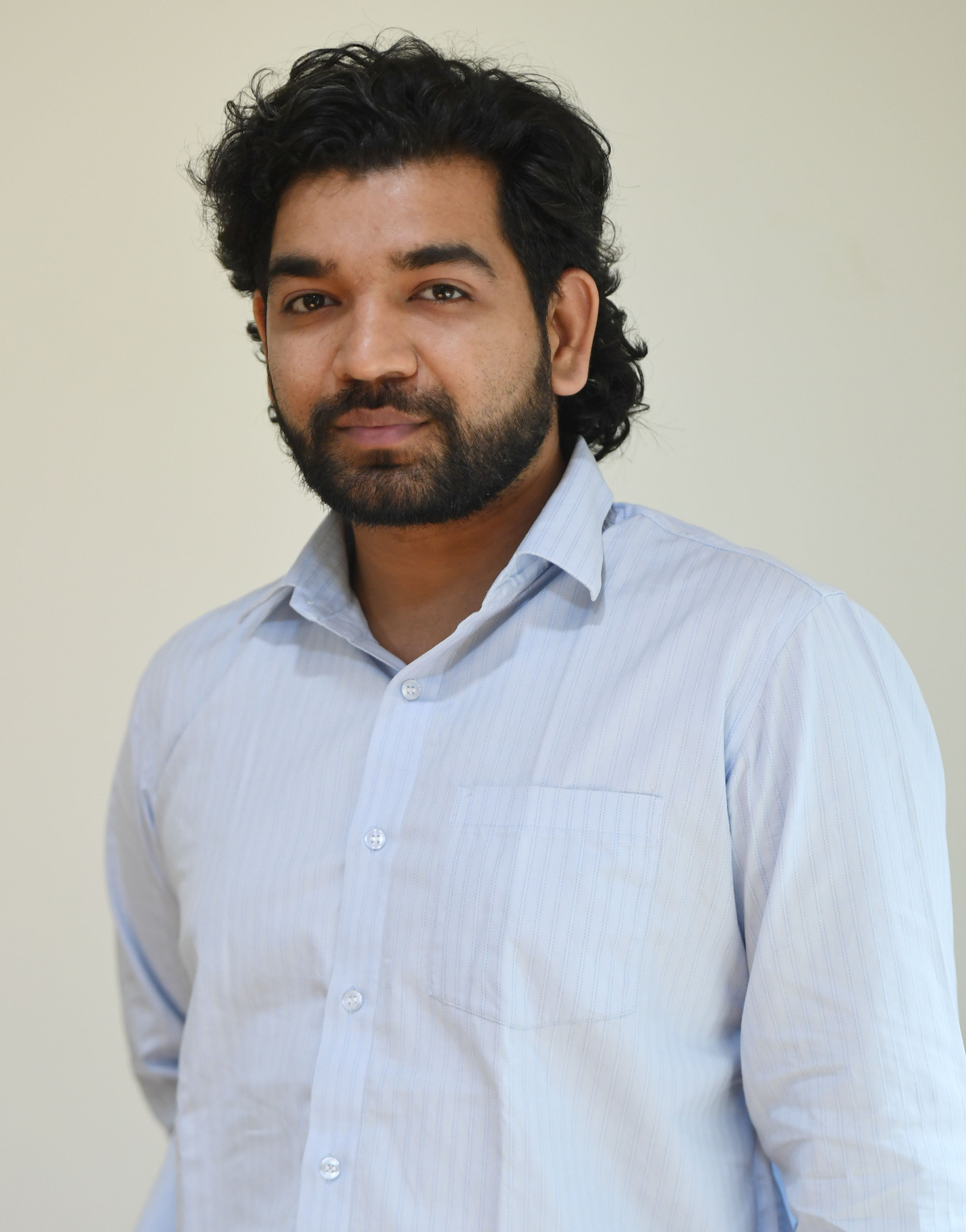
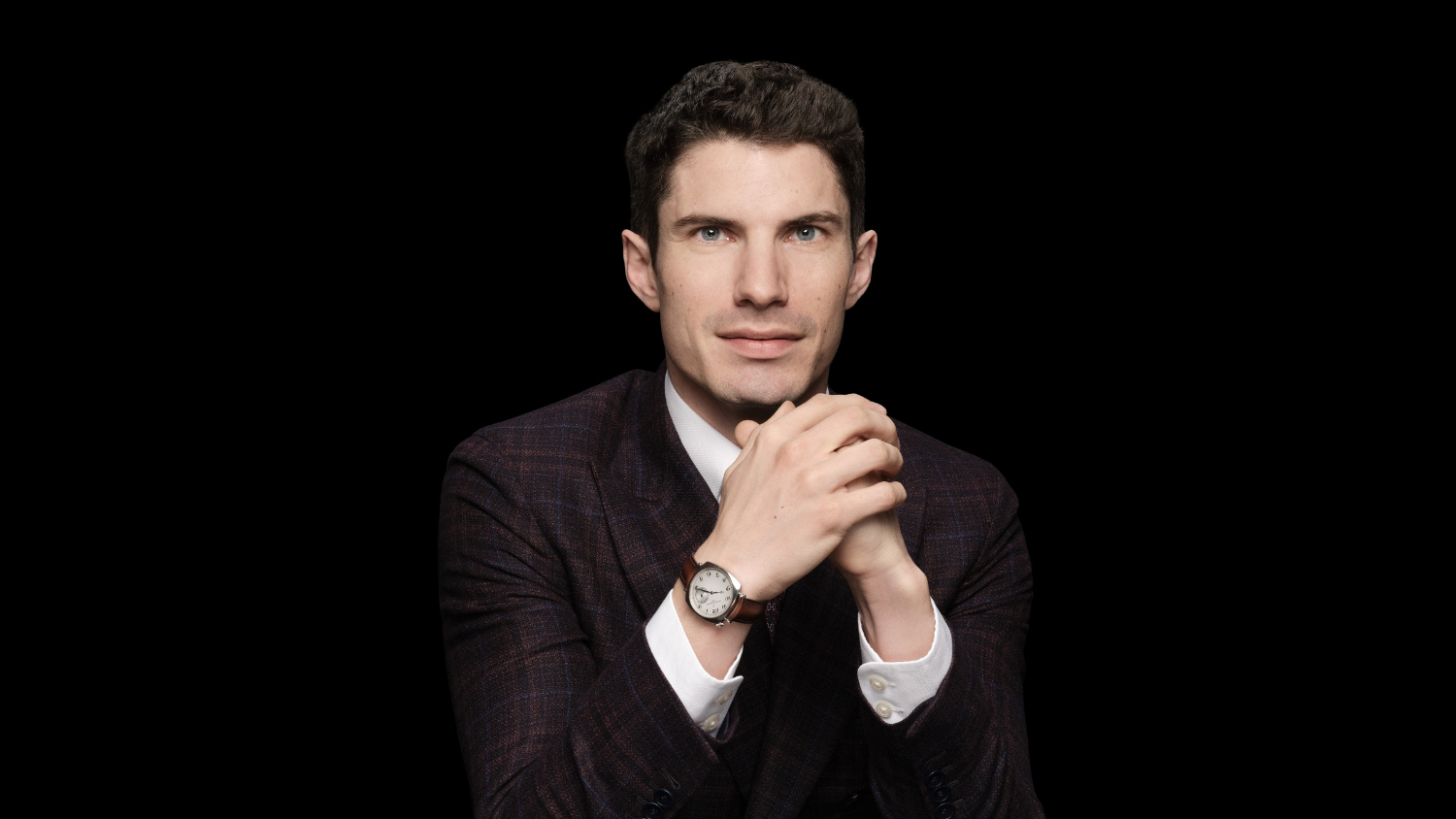
At the fair, we had the chance to catch up with Morgan Maillard, who since last year has been serving as the Style & Heritage Expert at the brand. Maillard started as a watchmaker at the brand over a decade ago, and today his role bridges the gap between the historical legacy of the brand and design for the future. Here are edited excerpts from our interview.
WatchTime India: What is your personal favourite among the novelties?
Morgan Maillard: It depends on the context. From my past as a watchmaker, I would choose the new Overseas because the innovation behind it is remarkable. It represents a strong evolution while staying true to our identity, especially in terms of ultra-thin movements. For me, it’s a significant achievement for the Maison. From a collector’s perspective, I love the Vacheron Constantin Historiques American 1921. It has everything — heritage, manual winding, incredible craftsmanship, and a design that is iconic and instantly recognisable. No one else does it quite like this, and despite being over 100 years old in concept, it still feels very modern. Then you have pieces like the Overseas Dual Time — robust, elegant, and practical. With 150 metres of water resistance, you can swim with it, travel with it, and rely on it daily. Each watch has its own identity and will find the right owner. If I had to give a special mention, I would say the platinum models.
WTI: You began your journey as a watchmaker—how does that technical foundation influence your role today as a Style & Heritage Expert at Vacheron Constantin?
MM: It happened gradually, through experience. I’ve been working in the industry for over a decade, and closely with colleagues like Christian [Selmoni, Style & Heritage Director at the maison] for 13 years. As a boutique watchmaker, I worked on everything — from vintage pieces to high complications. I was also in direct contact with clients across different countries. That exposure shaped my understanding.
Today, I use that technical knowledge alongside market awareness. I understand how vintage calibres evolved into modern ones, and I stay connected with clients and collectors globally. Since I still travel frequently, I continue gathering insights.
In my current role, I don’t make decisions alone. Instead, I contribute perspective — informed by experience, travel, and conversations with collectors. It’s about bringing a different lens to an already strong team.
WTI: Vacheron Constantin has a long history. How do you balance heritage with modern watchmaking?
MM: We never compromise. The goal is always to find the right balance between innovation and design. Take ultra-thin watches — they require significant innovation, but we never lose the essence of the design. We don’t want something that’s just technically impressive but impractical. It must remain wearable as a daily timepiece. Every piece we create is about achieving harmony between performance, aesthetics, and heritage.
WTI: What defines the soul of a Vacheron Constantin timepiece today?
MM: The soul lies in continuity — a common thread that runs through everything we’ve created since 1755. If you look at any of our watches across history, you will find shared details and values. At the same time, we don’t limit ourselves to one style or identity. There is diversity — in complications, materials, and designs. That openness is part of our soul. We explore everything, without being confined to a single path.
WTI: Is there a specific watch from the brand you personally connect with?
MM: Yes — a lesser-known piece from 1996: an Overseas model with a salmon dial in gold, instead of steel. It’s rare and not widely known. What makes it special is how clearly you can see the DNA of the collection, while also understanding its evolution. It represents how we continue to build our story over time.
WTI: If you could preserve one aspect of traditional watchmaking for the next century, what would it be?
MM: Transmission — passing down knowledge. This is fundamental to watchmaking. You cannot learn it purely from books; it must be taught by people. At Vacheron Constantin, we preserve this through our craftsmen — engravers, enamellers, gem-setters, watchmakers — across all levels. Each generation learns from the previous one, then adds its own experience before passing it on. That’s how we’ve survived for 270 years. We are only a small part of this long history, so it’s our responsibility to continue this chain.
WTI: What advice would you give to someone buying their first Vacheron Constantin watch?
MM: The most important thing is how the watch feels on your wrist. You might admire a watch in photos, but it may not suit you when you wear it — and sometimes the opposite happens. Visit a boutique. Try different pieces. Speak with sales associates and watchmakers. Understand the craftsmanship, finishing, and details. Also, explore beyond what you see on social media. There are many exceptional watches that don’t always get attention online. The experience itself will guide your choice.
WTI: Where do you see the future of haute horlogerie in the coming decade?
MM: It’s a tough question. Watchmaking is a constant process of reinterpretation, innovation, and test sometimes. If you look at pieces like Les Cabinotiers, some take 4 to 10 years to develop. That shows how much is still possible.
We have many ideas — some inspired by the past but only now achievable with modern technology. With projects like the Berkley Grand Complication and others, we are pushing boundaries. The best is to come.
WTI: How can heritage maisons stay relevant to a generation that values both tradition and innovation?
MM: You need both — always. You cannot build the future without understanding the past. Every innovation is rooted in history. For example, when developing new calibres, we study historical movements. Even the most complex watches today still rely on mechanisms invented centuries ago. Innovation is not about starting from zero — it’s about reinterpreting and improving what already exists. That balance between heritage and progress is essential.
Images: Courtesy Brand
Also Read :
Watches and Wonders 2026: Vacheron Constantin debuts the New Ultra-Thin Manufacture Calibre 2550
|
Vacheron Constantin launches Concours D’élégance Horlogère for collectors and enthusiasts
|
Vacheron Constantin celebrates 270th anniversary merging past and future
|
Vacheron Constantin introduces two new Overseas Perpetual Calendar Ultra-thin
More In news




Sign up for our newsletters to have the latest stories delivered to your inbox