At the start of 2025, most horology platforms chronicled watch brands and collections that were celebrating milestone anniversaries this year. The list was a long one and Breguet was more or less at the top of each for its 250th anniversary. And while 2025 has played out differently for each of those brands and the commemorative watches they released, Breguet has no doubt stood out amongst them. Starting in April to just a few days ago, Breguet’s 250th anniversary has been marked more than a dozen novelty launches, all covering its major collections, and more importantly recognising and paying obeisance to its founder’s and the modern brand’s contribution to horology.
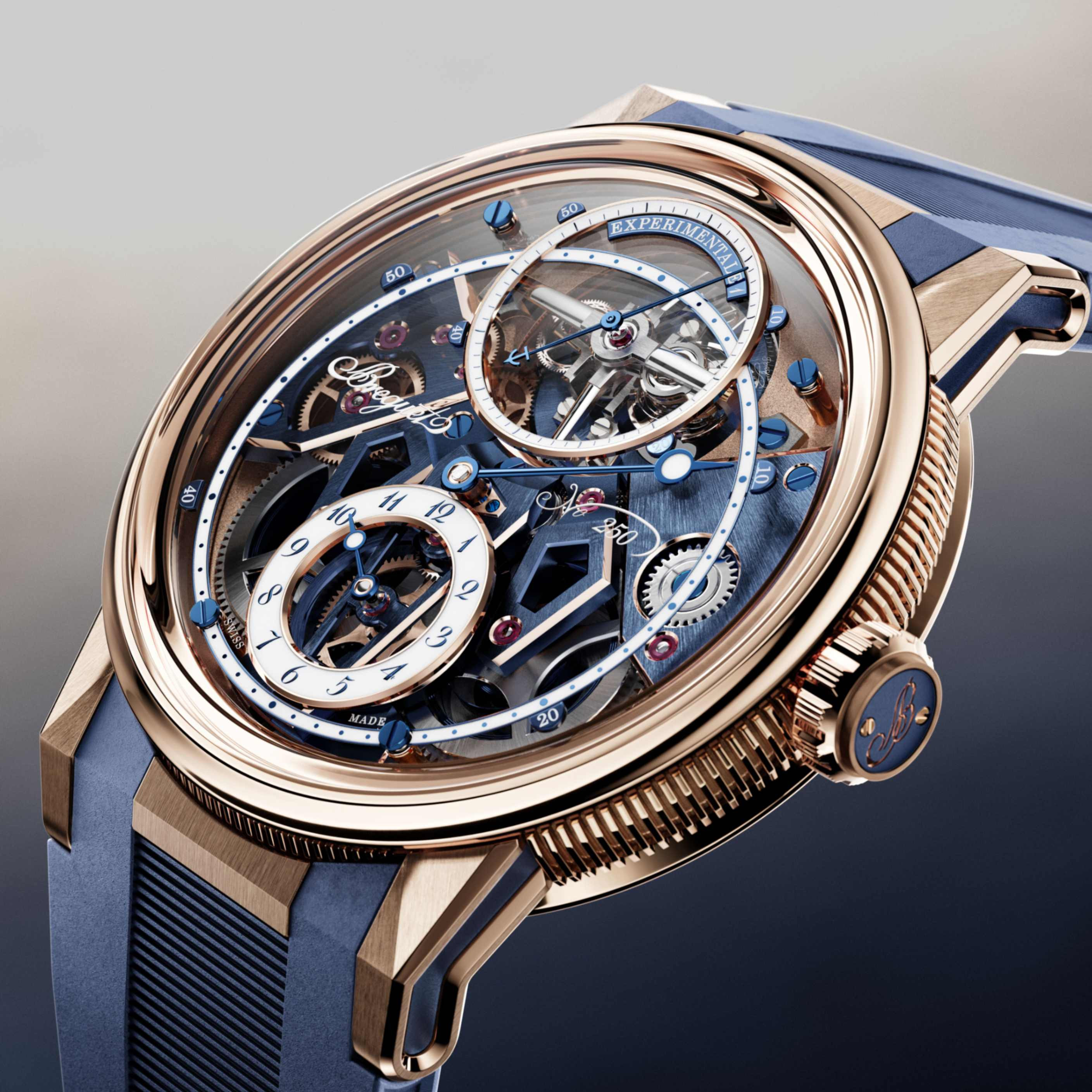
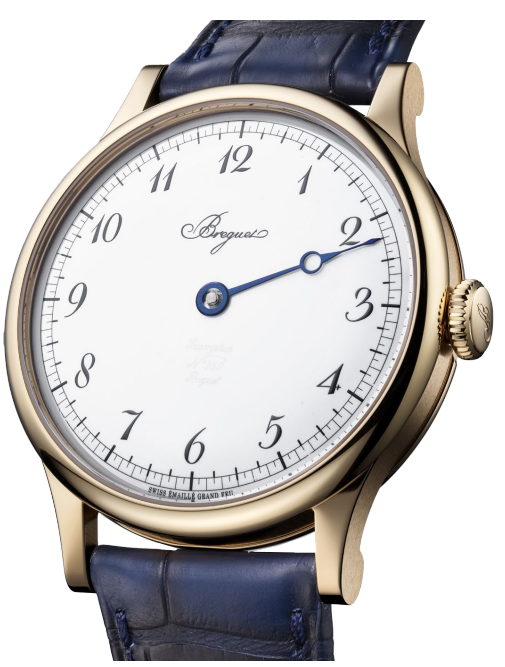
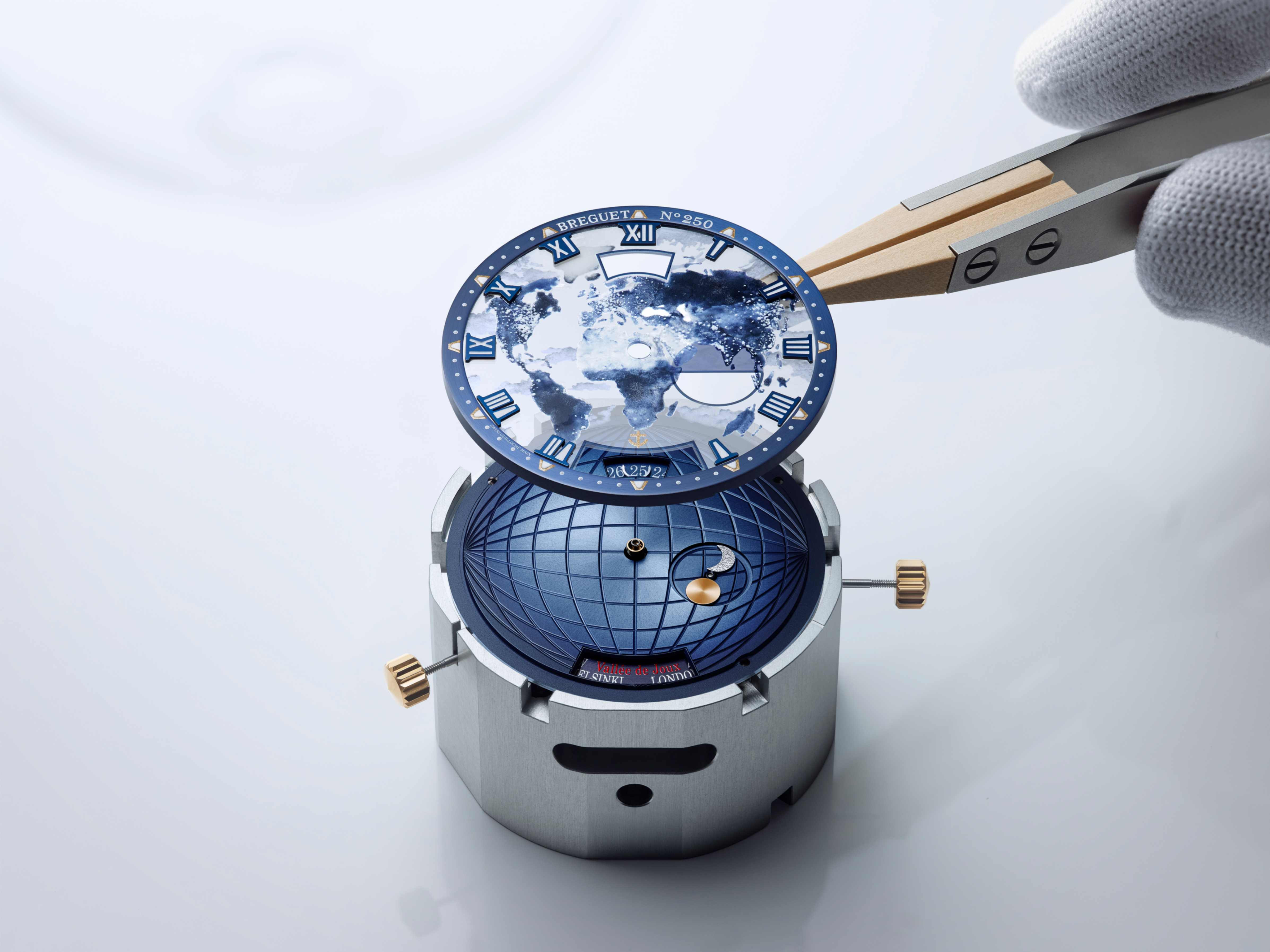
Each of the new watches (and a pocket watch) – be it the single-hand Classique Souscription 2025, inspired by the brand’s Souscription pocket watch from 1796 that flagged off the celebrations, to the last one, the Experimentale 1 boasting the very first tourbillon with a 10 Hz magnetic escapement – has set a new standard of technical, design, and artistic innovation. Watches like the Classic Repeater Minutes 7365, Breguet’s first waterproof minute repeater, or the Marine Hora Mundi 5555 that showcases superlative craftsmanship on the dial, or the Classique Tourbillon Sidéral 7255 with the brand’s first-ever flying tourbillon and aventurine dial, have marked new milestones. Add to that the establishment of the in-house Poincon Breguet (Breguet Hallmark), which will set exacting criteria for the brand’s future watches, and the development of the proprietary Breguet Gold, and it feel like the watchmaker has left no stone unturned to catapult it into its next century of watchmaking.
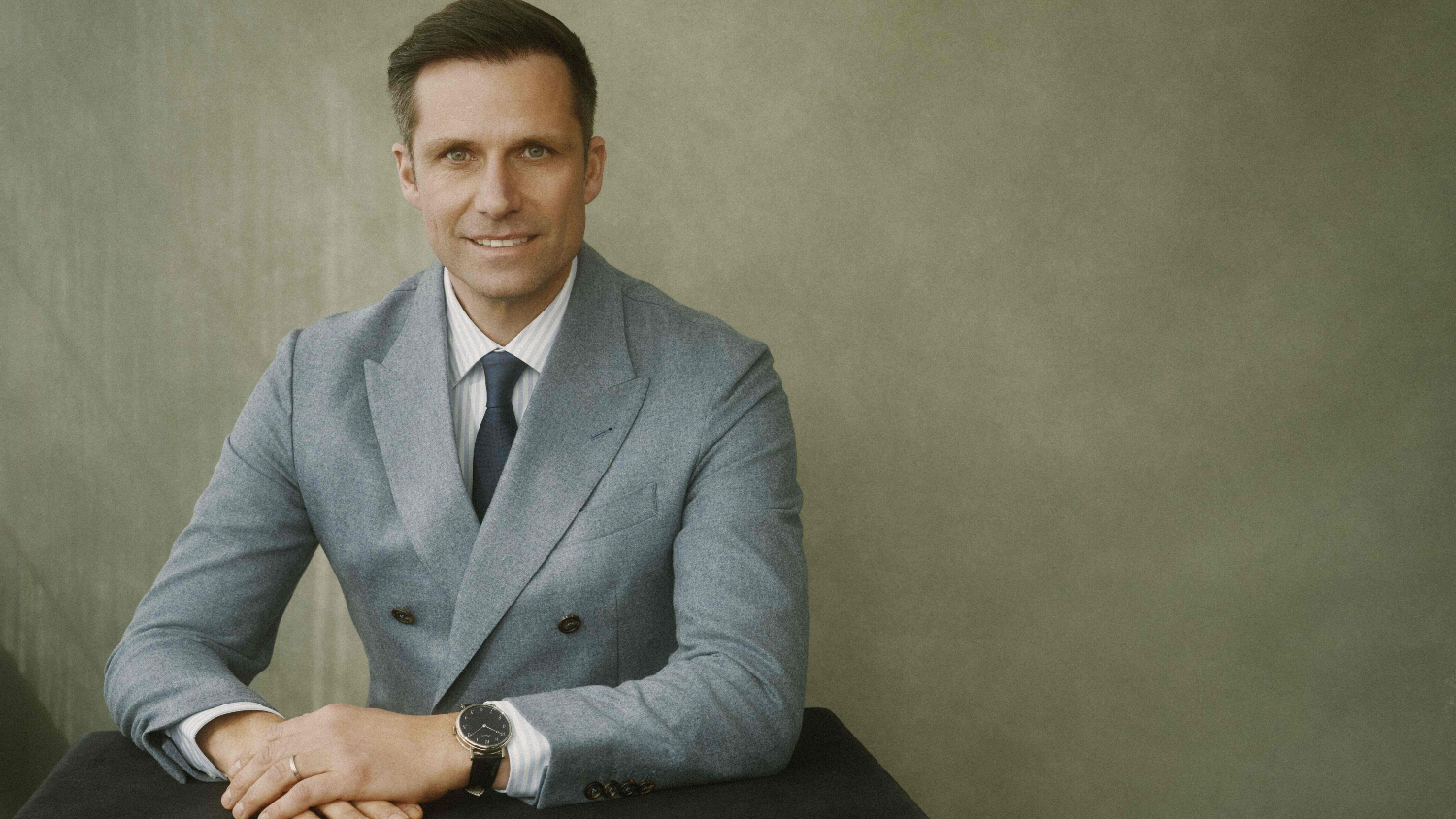
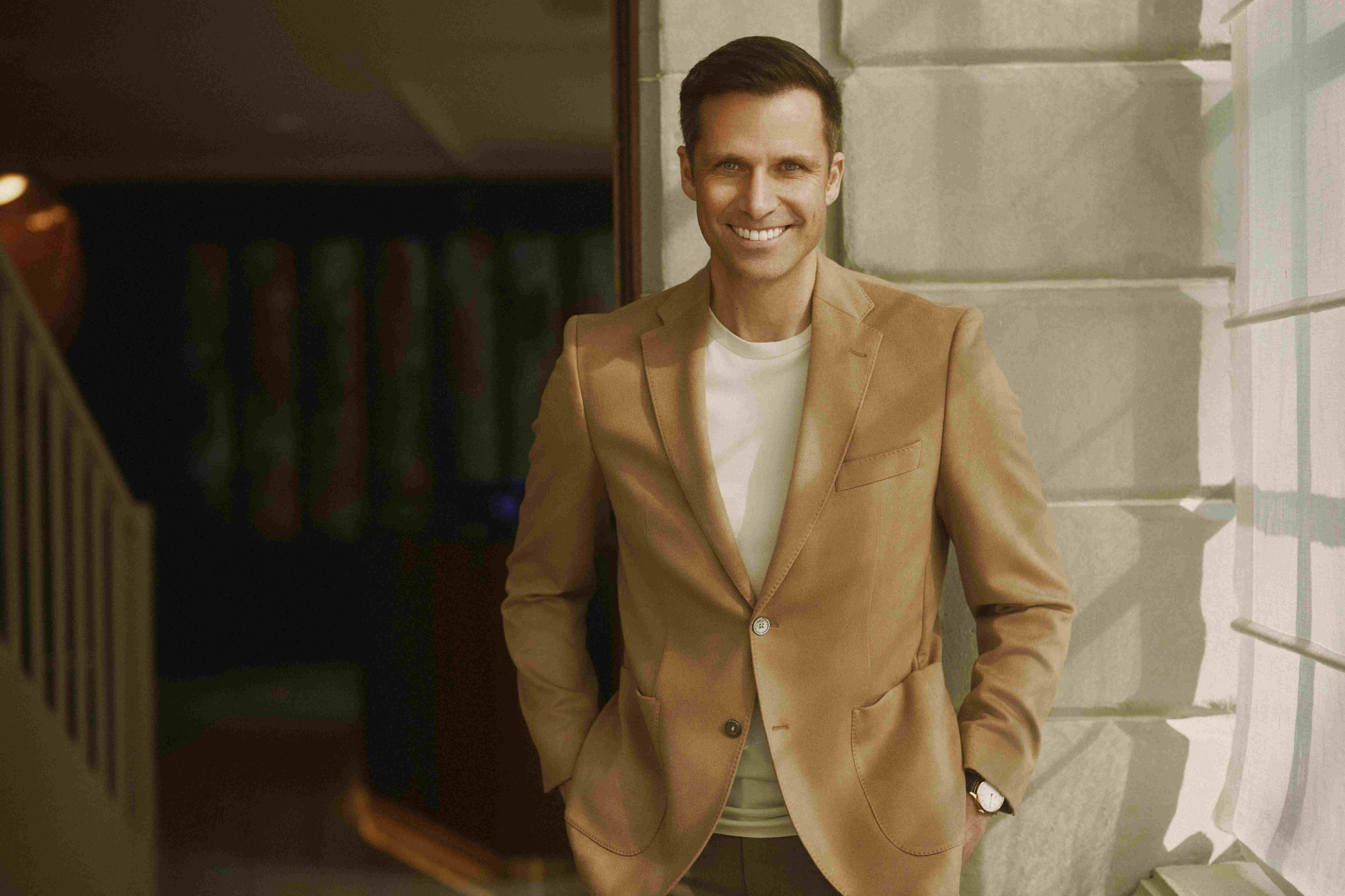
Helming this has been Gregory Kissling, CEO, who took over the reins last year. Kissling says he spent the summer of 2024 diving deep into the history and legacy of the brand in a bid to prepare for the anniversary roll out. Which unllike most celebrations was not one big launch or event, but a series of power-packed designs unleashed through the course of the year to make the festivities truly last.
However, the 2025 releases are much more than great innovations - they seem to indicate a new direction for brand. To understand this in more detail, WatchTime India sat down with CEO Gregory Kissling...
WatchTime India: It has been an incredible 250th year with path-breaking launches. When you joined last year, what was your vision for the celebrations? And would you say you have achieved it?
Gregory Kissling: I started officially on October 1 last year, but unofficially, I started a bit early to prepare everything, and dive very, very deep into the immense history of the brand. I spent my last summer studying the brand. Who doesn't know Breguet? When you study horology, you have to know what Breguet did. But it is when you really dive into the brand that you discover that Abraham Breguet was definitely the father of modern horology.
The plan that was approved a few days after I joined was really to talk about the brand, not with one single big international event, but to use the entire year. We started by talking about the history - the kickoff was in Paris with the Souscription model. So the idea was to develop collections that speak to the different inventions and chapters of the brand. At Breguet, the product is definitely the hero, and this is why we decided to take the entire year, month after month, with different destinations, a kind of world tour. We will end this celebration in Paris as well. In between, we had seven destinations, each with a link to the product, which in turn linked to a specific innovation, chapter, and story. So, a busy year, but again, 250 years in the making.
WTI: Were you able to guide the development of the novelties, and what was that process like?
GK: At Breguet, everything is verticalised - we can produce every component. And the Swatch group, of which we are a part, is also verticalised. So when you have a clear strategic plan, you can be efficient and quick, while respecting the quality and processes. We wanted to produce and develop a collection that speaks to the brand. And when you have a dedicated team following you, it's much easier.
WTI: There were so many beautiful watches with standout technical developments. Which of these technical developments or creative developments are you most proud of?
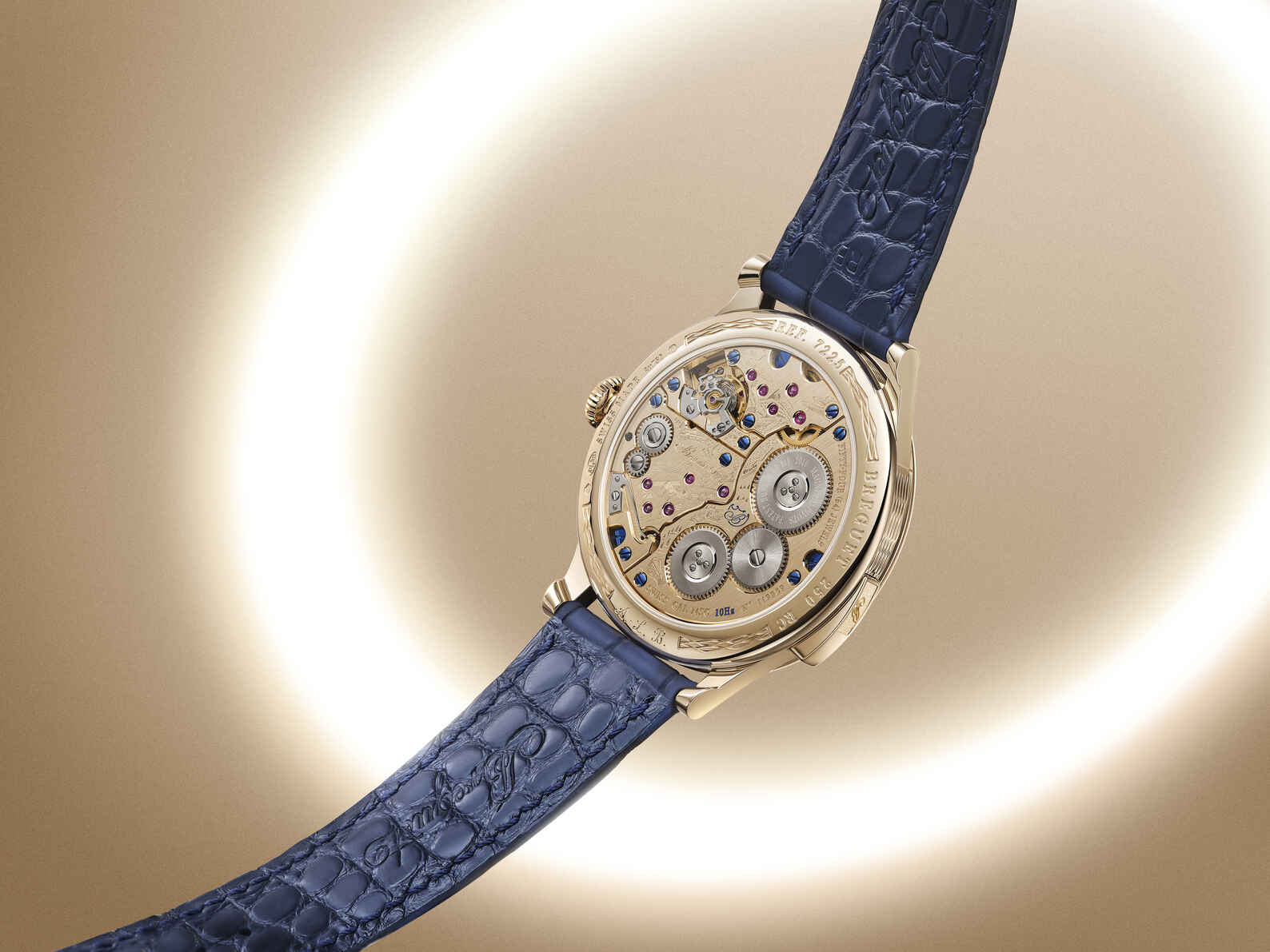
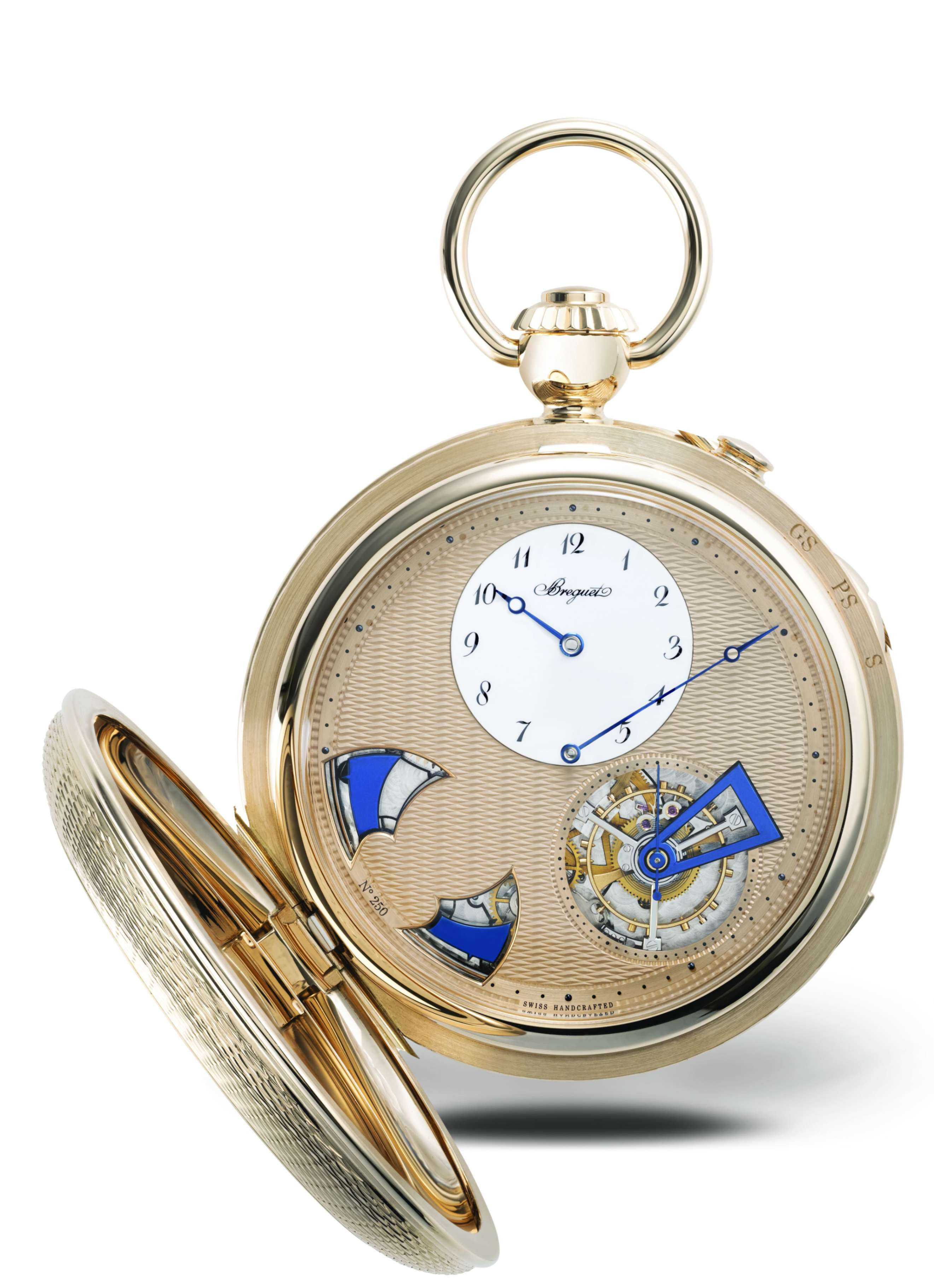
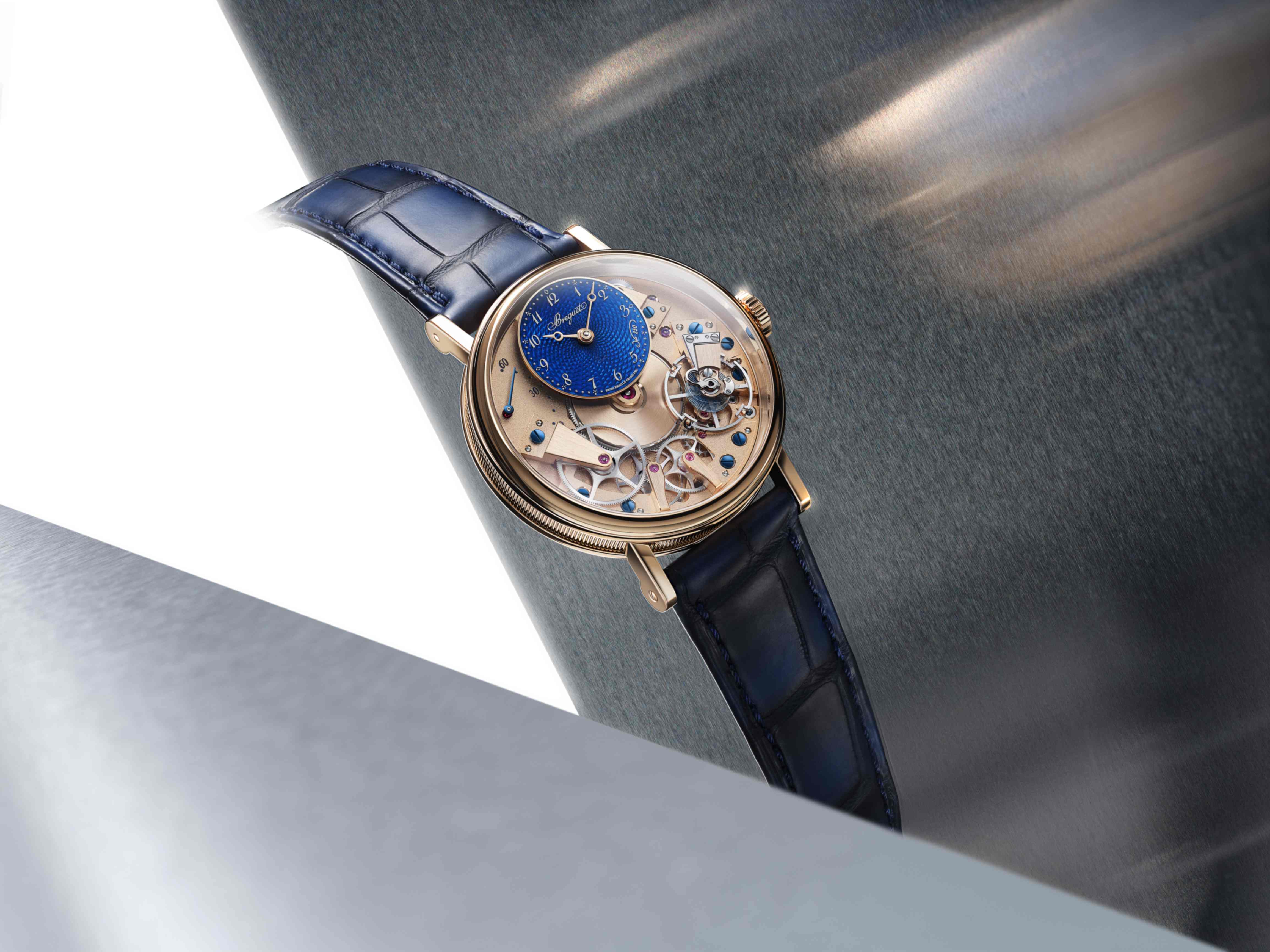
GK: Probably, the Classique 7225. It's not just a beautiful timepiece, but also the perfect example of tradition and innovation. The face is inspired by one of Breguet's most impressive historical tourbillons, the Potocki tourbillon, with this kind of Mickey Mouse display. Though the Classique 7225 is inspired by this, the movement doesn't have a tourbillon complication. The movement is linked to one of the most important innovations in the past years for Breguet – the magnetic pivot. Thanks to this, we are able to maintain the rate and precision of the watch independently of its position. We wanted to talk about this chapter, because Abraham Breguet was always looking for new materials, conception, and design for increasing precision. So this watch is the perfect example, highlighting tradition, modernity, and innovation. And in the movement, we have expressed our values in terms of aesthetics, performance, and ethics. And this is why we came out with the Poincon Breguet. There are many types of hallmarks, but we had nothing. We have great products, and for us, the Poincon Breguet is the vector that speaks to the values of the brand.
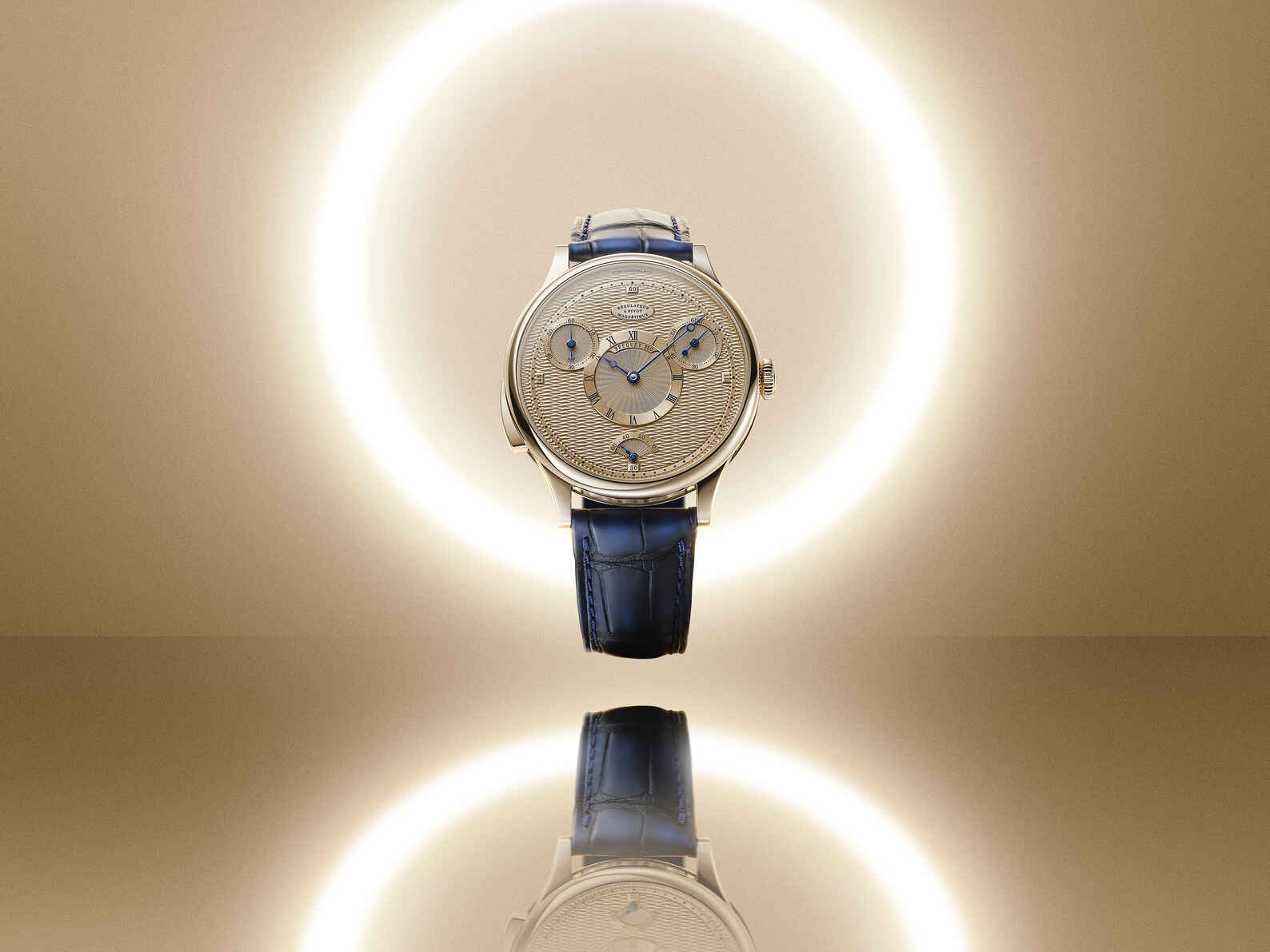
The Poincon Breguet is focussed on aesthetic harmony - it's very important to speak about the different criteria of the finishing. Then there are the performances - chronometric performances with three different categories, for which we are using the wording of Abraham Breguet - scientific category, which is +/- 1 second a day, civilian is +/- 2, and for the Reine de Naples, - 2 /+6 seconds. And then we have the acoustic performance - at Breguet, we record every minute repeater and musical watch in order to reproduce the same sound after a service. Then there is the magnetic resistance - we wanted to improve from 60 gauss to 600 gauss. And finally, the last pillar is linked to ethics - we want to preserve our savoir faire, metier d'art, guillochage, enamelling, beveling etc, which wouldn't exist without Breguet. We also want to certify them, to attest that the watch head and the buckle are 100% - not 99% - 100% manufactured in Switzerland. We also wanted to ensure that any type of Breguet watch 200 or 50 or 100 years old - can be repaired.
WTI: Will the hallmark be used for all forthcoming Breguet timepieces?
GK: Time will tell; it will take some years. The idea is to introduce step by step more and more Poinçon Breguet in the near future.
WTI: What do the new releases represent?
GK: This year we are talking about the past and the present innovations. The magnetic pivot was invented in 2010 - it looks new, but it's past innovation. Our breakthrough innovations give a strong signal for the next year and for the near future.
WTI: Innovation is a cornerstone of the brand, and this year has been chock-full of it. How is innovation defined at Breguet today?
GK: This is part of our DNA. Our blood is linked to innovation and we need to keep this state of mind. Abraham Breguet was the first watchmaker to use platinum when he developed the first self-winding pocket watches - he was looking for a very high density material, and at the time, and he was the first watchmaker to use it. So he was always looking for innovation in design. And this is something I realised when I joined the brand. Take any Breguet from the 18th century, and one from the core collection, you still see this connection in terms of design. Do the same exercise with other brands - you won’t see a connection. Abraham Breguet introduced a classic style at a time when horology was very Baroque - heavy in terms of hands, style, case, a lot of ornaments and so on. He completely cleaned the design of the pocket watch, and at the time it was very modern. So we need to continue to respect this design code, but also have the duty to push the boundaries in terms of innovation at the same time respecting the strong design code. Our clientele, if they look for a Breguet, they want to have the guarantee that in 10, 20, 50, years, it's still a Breguet, a timeless product.
WTI: So is that your vision for the brand?
GK: Yes, and also the vision of my colleagues and the board - to maintain this legacy, but a legacy that’s in motion. If you observe the products during all these 250 years, you’ll see that almost every product has conserved its core identity. We need to pursue this but also innovate. We have the duty to innovate. Breguet was one of the first brands to introduce silicon. Twenty years ago, silicon didn't really match with haute horology but Breguet had the courage. Breguet is linked to artistic and technical courage.
WTI: On the subject of vision, where do you want to steer the brand?
GK: We want to increase the desirability, and give a new dynamic to the brand. We need to catch a new audience, the new generation that don't know about the brand, its history, savoir faire, the metier d’art and so on. This is why we are also changing our communication - different type of channel, we want to show behind the scenes of our products, show our artisans finishing, assembling, engraving etc. We are also working very hard on the distribution. We want to close some doors, but also want to open more boutiques. This year, we opened five corporate boutiques, because we want to be client centric. It's not only a question of having the best product, but also having the best service for our clientele.
WTI: Do you think legacy makes it difficult for brands to experiment?
GK: Yes and no. With a legacy such as that of Breguet there are so many things to explore. You just have to open the book The Art of Breguet by George Daniels, and you’ll discover what he did in terms of escapement, resonance and so on. But you don't just copy-paste. You can take the idea and ask the question, ‘If our founder had this idea with a means of today – the materials, technology, people, resources – what would the result be?’ This is what we are doing. But we also have the right to develop something from scratch. And it's not only about watchmaking, it can be also about marketing and distribution. Abraham Breguet was not only a brilliant watchmaker, he was also a brilliant watch designer. So maybe one day we can experiment a new type of design. Breguet was always looking for new things, including new business models. The perfect example is Souscription. We now talk about crowdfunding, Kickstarter etc, but back in 1796 he did. Same for promotions - Breguet was the first to promote his product with a leaflet, a catalog. So yes and no - we need to respect some core values, some DNA, and at the same times we can start something from scratch as well because this is part of our legacy.
WTI: The 250th anniversary releases – it feels like there is a Breguet before the anniversary releases and another one after. Is there going to be a new design direction, a new creativity going forward?
GK: Next year, we want to keep this momentum. This year was really about the anniversary collection in Breguet gold, but we can extend this type of collection in terms of materials, dial animation. We need to continue to animate our collection. We have so many families, and they are all important. So we are working hard on this. But the objective is to attract a new audience, a new generation. We will explore new territories, not only in terms of pure horology, but also in terms of design.
WTI: How do you define the modern Breguet collector?
GK: The modern Breguet collector is someone who is really looking for timeless design that’s also linked to pure horology. Someone who is connoisseur, is connected to the art of watchmaking, and understands the value of Breguet. This is someone who is connected to the brand, and is passionate about it. Not someone who wants to show off.
WTI: About the India market - where do you place the India market today in your global markets, and any plans for furthering it?
GK: We have a big chance to be in this very important market for many years. This is a fantastic asset because not all the brands are in India for the time being, but they will come one day for sure. So we need to keep this advantage. So we need to keep working very hard, pushing the brand in this important market - there's big potential here, but we have to continue to work to teach the new generation. Accessibility is also important. Maybe they will not buy a Breguet right now, but maybe in the next two, three, five years they will. So we need to educate the new generation. We need to continue to invest in this market, opening new doors. There are new cities that are now booming in India, and we have to be more and more present, right?
WTI: If Abraham Louis Breguet could see his Maison today, what do you think would make him the proudest?
GK: I think he would be proud of how we have conserved the DNA of the brand. He did so much, so he would probably be very happy to see the collection that has conserved this very important DNA. He would be proud of the magnetic pivot technology, because, he was always looking for new things. And the guillochage. Breguet did not invent it, but he was the first watchmaker to introduce that technique in the watch industry, for the dial. And this is what we want to continue - to observe what is going on outside the box. And he would be proud to see that we are exploring techniques, technologies that are outside the watch industry.
Images: Courtesy brand
Also Read :
Breguet releases Classique Minute Repeater 7365 and Classique Grande Sonnerie 1905
|
Breguet announces R&D line with Expérimentale 1 featuring a 10 Hz tourbillon
|
Breguet unveils two new Reine de Naples model, Crazy Flower and Perles Impériales
More In features



Sign up for our newsletters to have the latest stories delivered to your inbox