

Omega introduced a new way to test mechanical watches that removes the need for a seconds hand in precision certification, thanks to Laboratoire de Précision, a facility created by the brand to handle independent testing in 2023. Using an acoustic method along with optical tracking, the system records how a movement performs without relying on the visual position of a seconds hand.
With this method, Omega has launched the Constellation Observatory Collection. It is the first time a two-hand watch, displaying only hours and minutes, has passed both Chronometer and Master Chronometer certification. The testing is carried out in partnership with METAS, which oversees the Master Chronometer standard.

In 1952, the Constellation became Omega’s first series-produced chronometer collection. The new Observatory models continue that direction, combining familiar design elements with updated movements and testing standards. The watches measure 39.4 mm and are available in different materials, including gold alloys, platinum combinations, and O-megasteel.
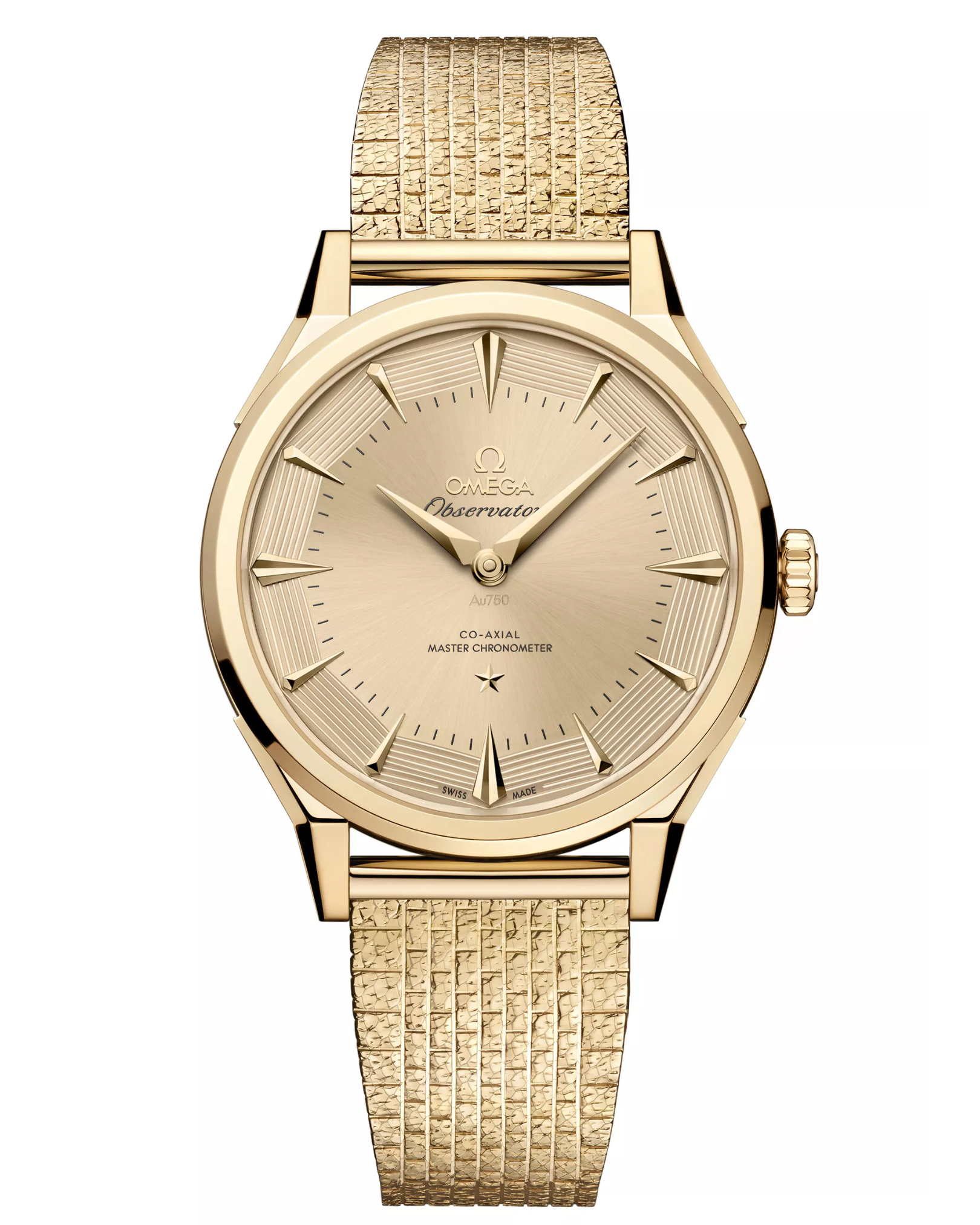
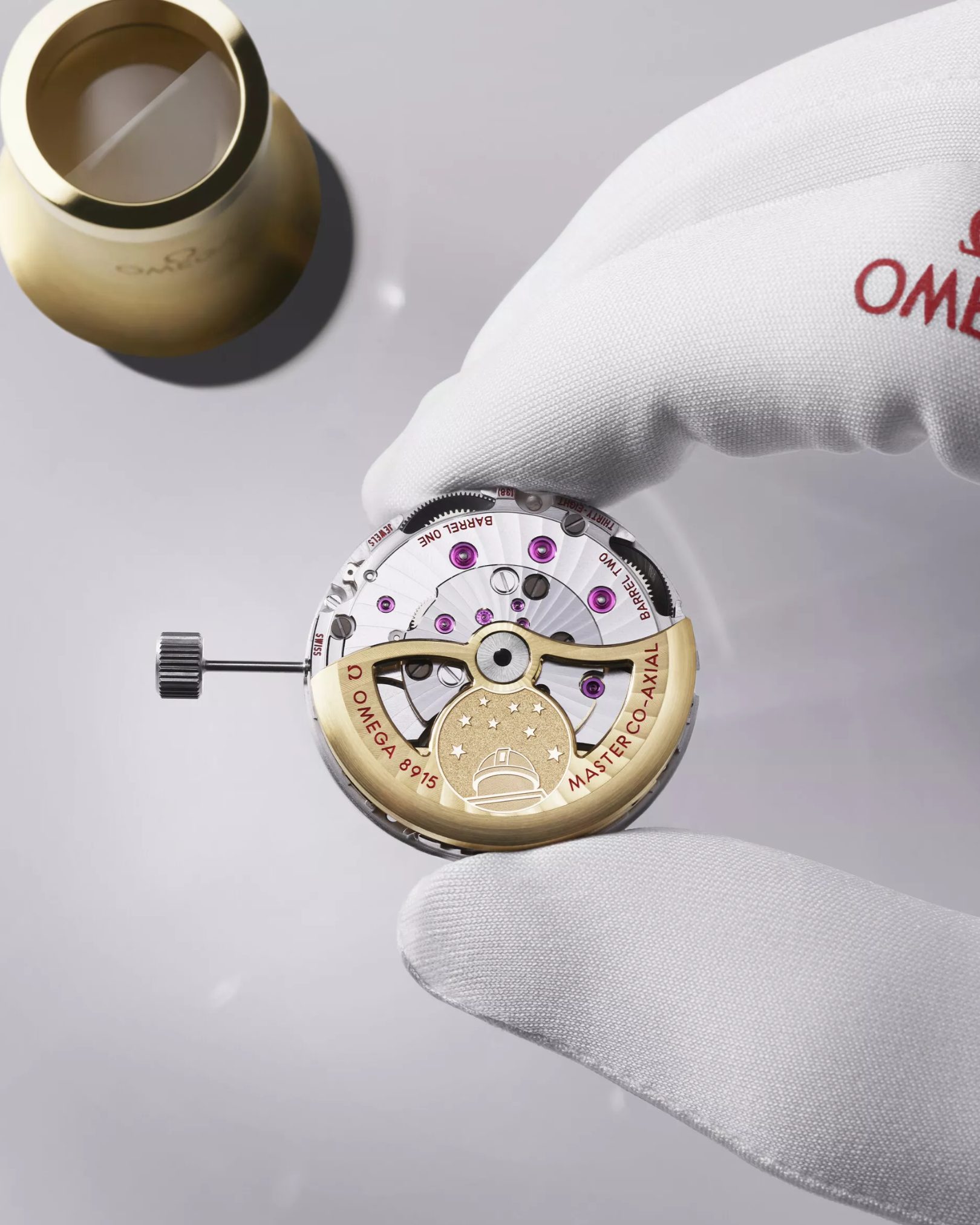
Two new calibres power the collection. Calibre 8915 is used in precious metal versions, while Calibre 8914 is used in steel models. Both are built with attention to finishing and structure, and they meet the requirements for Master Chronometer certification. The movements are tested as complete watches, not just as individual mechanisms. The design follows earlier Constellation models, with details such as the pie-pan dial, dauphine hands, and the observatory medallion on the caseback. The bracelet and case construction also reference earlier designs from the collection’s history.
Omega introduced its first chronometer wristwatch in 1948, followed by the Constellation collection in 1952. Later developments included the Co-Axial escapement and anti-magnetic movements. In 2015, the brand introduced the Master Chronometer standard. The Laboratoire de Précision, established in 2023, now supports this system with its own testing capability.
Images: Courtesy Brand
Also Read :
Omega begins the new year with Speedmaster Moonwatch in Black and White
|
Omega unveils a redesigned 4th generation of the Planet Ocean
|
Omega introduces seven Speedmasters to its Dark and Grey Side of the Moon collection
More In news






Sign up for our newsletters to have the latest stories delivered to your inbox